
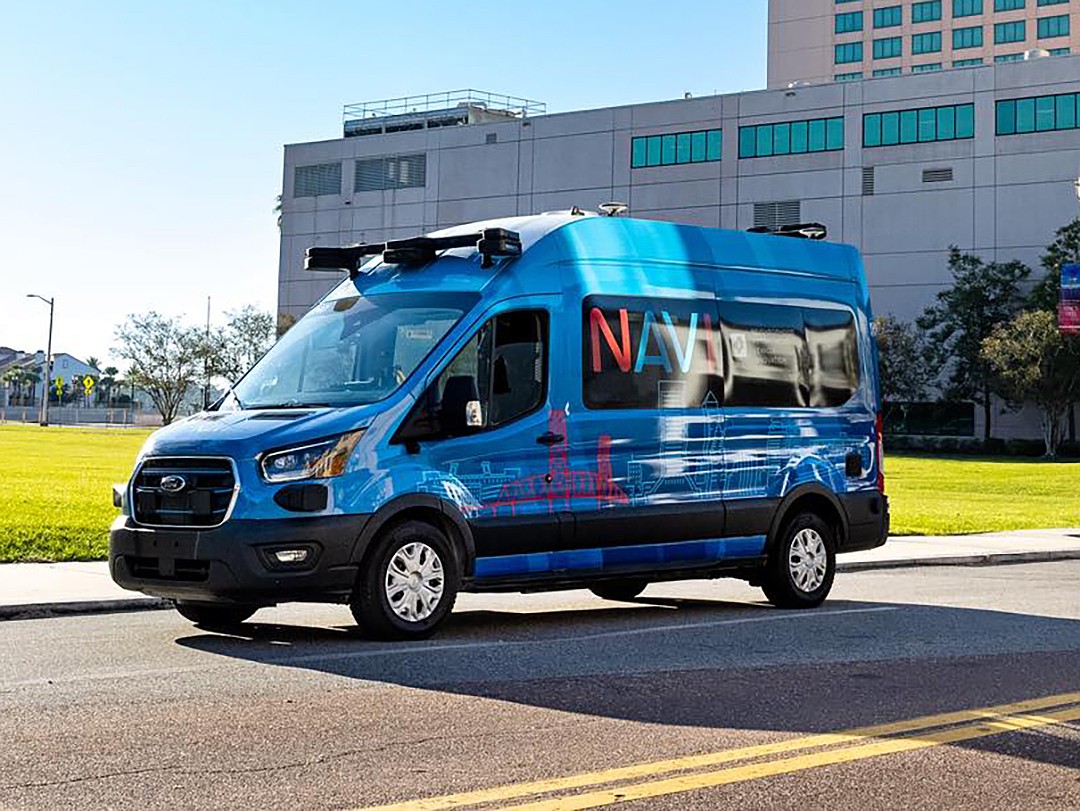
NAVI system debuts to a mixed reaction
The Jacksonville Transportation Authority debuted the first phase of its Ultimate Urban Circulator program as Neighborhood Autonomous Vehicle Innovation service vans rolled up and down Bay Street.
NAVI, which operates on a 3.5-mile route mostly along Bay Street, was designed as the first leg of a system that would eventually involve adaptation of the Skyway system for the U2C and expansion of service to neighborhoods surrounding Downtown.
Ridership numbers that hovered around 76 riders daily prompted several critics of the NAVI and U2C systems to launch criticism of the project, saying it was too expensive for the results it produced.
Council members Rory Diamond and Jimmy Peluso, who normally represent opposite ends of the political spectrum, mounted the loudest attacks.
Diamond said he’d rather see city funds used toward credits for ride-share companies like Uber and Waymo. Peluso advocated for building light rail in Jacksonville.
However, Mayor Donna Deegan and several Council members have stood by the city’s decision to fund the U2C program for its next two phases. The city is on the hook to contribute $247 million of local-option gas tax revenue for the program.
City officials found different reasons to support the U2C. Some, like Council member Raul Arias, said he found financial investment into a Jacksonville manufacturing plant from Holon, the future manufacturer of NAVI vehicles, to be the sticking point. Others, like member Rahman Johnson, said they felt the project offered the innovation that would let Jacksonville lead the way in autonomous public transportation.
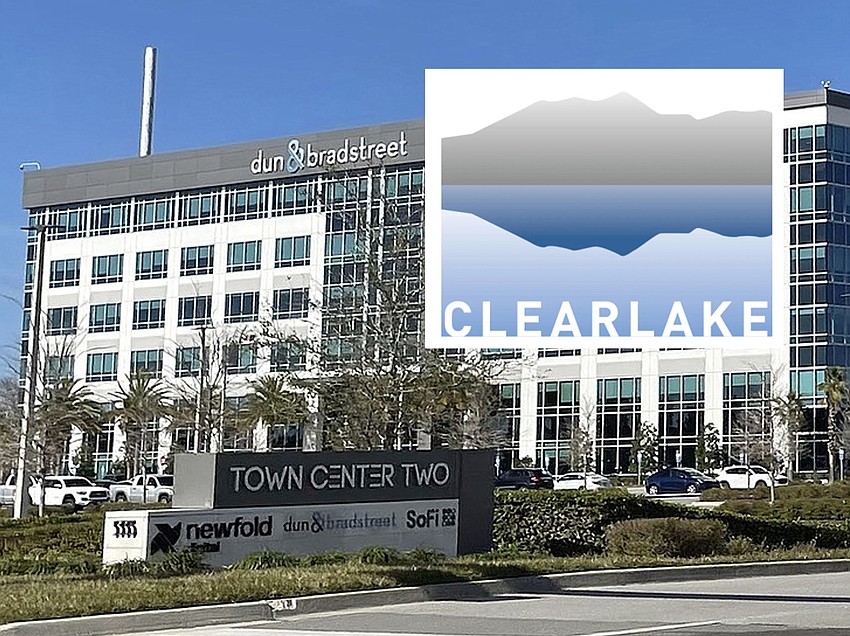
Six years after an investment group with Jacksonville ties bought the company and four years after it moved its headquarters to Jacksonville, Dun & Bradstreet Holdings Inc. was sold in August to private equity firm Clearlake Capital Group L.P. for $7.7 billion.
The business data firm that traces its roots to 1841 was acquired for $7.2 billion in 2019 by a group led by Fidelity National Financial Inc. Chairman Bill Foley.
Anthony Jabbour, who was CEO of another Jacksonville-based company spun off from Fidelity, Black Knight Inc., took on the additional role of CEO of Dun & Bradstreet.
With those connections, Dun & Bradstreet moved its headquarters from New Jersey to Jacksonville in 2021 and bought the 218,700-square-foot Town Center Two building at 5335 Gate Parkway for its headquarters.
The investment group had taken Dun & Bradstreet public again in 2020 at an initial public offering price of $22 a share, but the stock faltered.
It dropped to a record low of $7.78 in mid-March 2025 before Clearlake announced its agreement March 24 to buy the company for $9.15 per share.
Jabbour left the company after Clearlake completed the deal and was replaced by former Moody’s Analytics President Stephen Tulenko.
Clearlake has not commented further about its plans for Dun & Bradstreet, including whether it will keep the Jacksonville headquarters.
Dun & Bradstreet reported $1.165 billion in revenue and adjusted earnings of $172.7 million in the first six months of 2025 before the buyout.
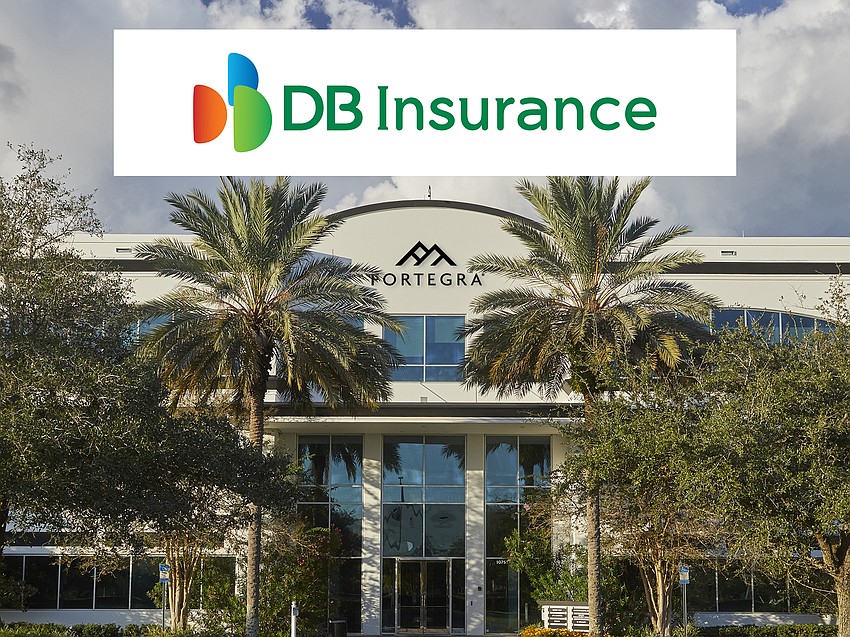
The Fortegra Group Inc. has grown into one of Jacksonville’s largest companies since it was acquired by Tiptree Inc. in 2014, with projected revenue of $2.2 billion this year and 1,144 employees across 24 offices in nine countries, according to Tiptree’s annual report.
The specialty insurance company will soon have new ownership after South Korea-based DB Insurance Co. Ltd. agreed in September to buy Fortegra for $1.65 billion.
Tiptree acquired Fortegra for $214 million and Fortegra recorded $328 million in revenue in 2015, its first year under Connecticut-based Tiptree’s ownership.
Fortegra was an independent public company before Tiptree bought it and the investment company, which still owns 78.9% of Fortegra, tried to take it public again twice.
However, it called off initial public offerings both times in 2021 and 2024 because it couldn’t get the price it wanted from investors.
After withdrawing the IPO the second time, Tiptree began hearing from parties interested in purchasing Fortegra.
The companies have said Fortegra will continue to operate independently as part of DB’s specialty insurance business when the sale is completed, which is still subject to regulatory approval and is expected in mid-2026.
DB reported 2024 revenue of 17.2 trillion South Korean won, equivalent to $12.3 billion in U.S. dollars, according to financial analysis firm Morningstar.
Fortegra is Tiptree’s largest holding, and the firm said it will seek new investment opportunities with its proceeds from the sale.