Despite cutting fares to try to drive up ridership, the Jacksonville Transportation Authority has seen lower year-over-year demand for its services two months into a fare-reduction pilot program.
Ridership on fixed routes with reduced fares in the pilot fell in February and March 2026 by about 18.3% (27,042) and 10% (15,272), respectively, compared with the same periods in 2025, according to ridership data provided to the Daily Record.
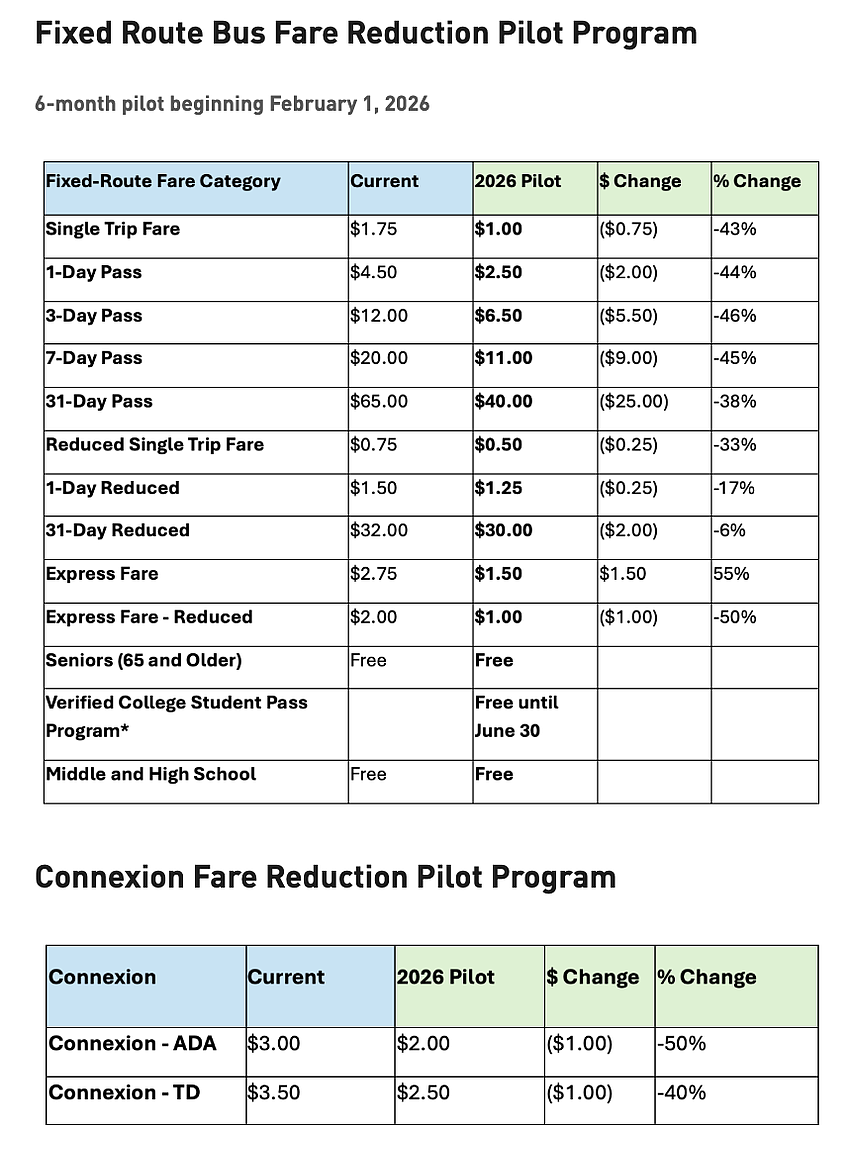
Rate cuts from the JTA on non-NAVI vehicles began Feb. 1, 2026. The reduced rates are scheduled to run through July 30. JTA cut rates as little as 6% to as much as 55%.
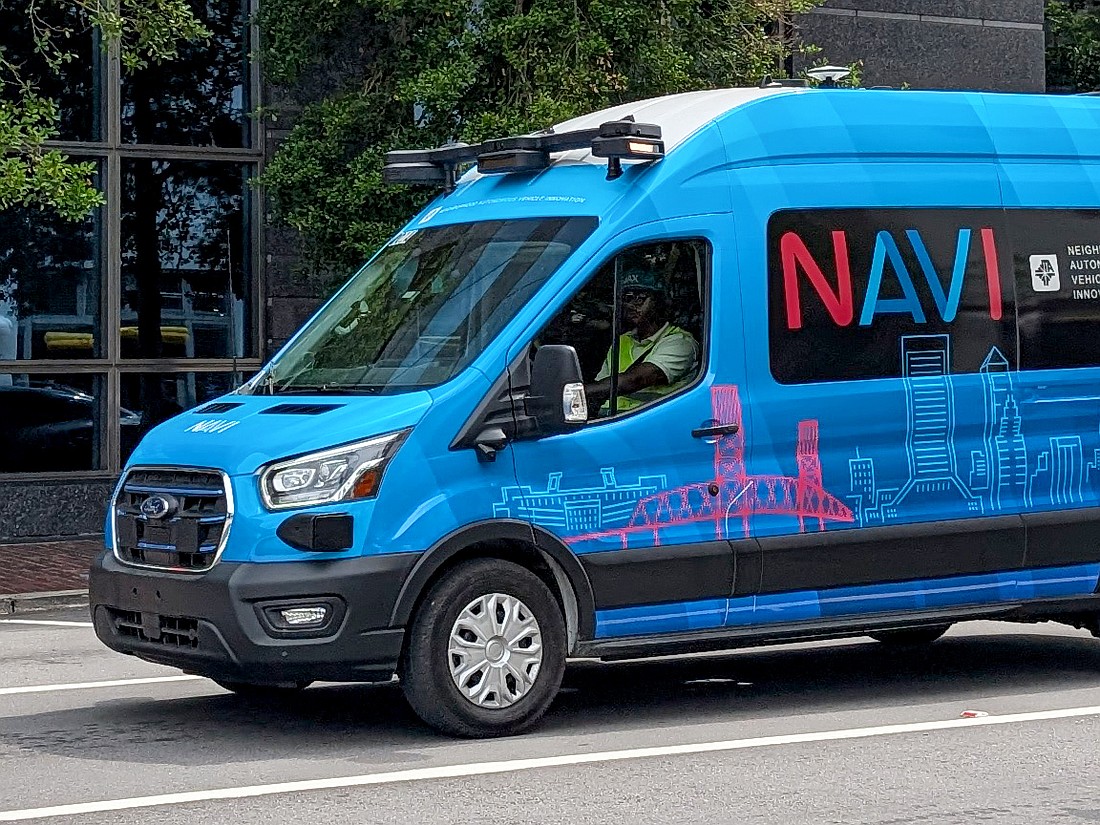
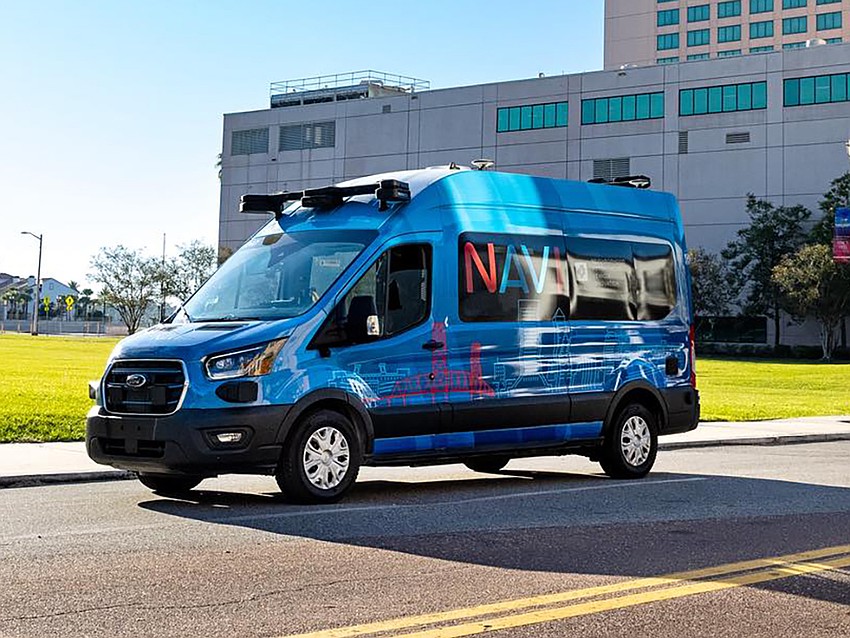
NAVI is JTA’s Neighborhood Autonomous Vehicle Innovation service, which operates on a 3.5-mile route in Downtown, mostly along Bay Street.
NAVI fares were eliminated Dec. 15, cut from the $1.75 fare JTA had charged since Oct. 1, 2025. NAVI vans began service, initially without fares, in July 2025.
NAVI ridership has fluctuated since fares were eliminated. JTA reported 447 riders on NAVI in December, followed by 1,065, 1,385 and 1,075 riders in January, February and March, respectively.
In March, NAVI use averaged about 49 riders daily. JTA has pledged that by 2035, NAVI would average 280 riders daily.
Including showing a year-over-year drop, February and March 2026 non-NAVI ridership fell compared to almost all of 2025 data. February’s total ridership of 120,861 was lower than each of the 13 months before the fare-reduction pilot, while March’s total of 138,720 was lower than all months other than November and December 2025, and January 2026.
In explaining the pilot, JTA said it expected ridership to increase as a result of lower fares.
“Based on transit research and our own internal analysis, lowering fares typically encourages more people to ride,” the authority’s website states. “We expect to see returning riders who may have left during or after the pandemic, as well as new customers who find the reduced fares more affordable.”
Ridership figures provided to the Daily Record did not show how much revenue JTA has lost from decreasing ridership.JTA did not respond to questions about how much revenue decreased from the pilot program and an explanation for decreased ridership.
Speaking April 7 before the City Council Special Committee on Duval DOGE, JTA CEO Nat Ford told Council members that JTA’s revenue underperformed expectations by $14.2 million to date in fiscal year 2026. JTA’s fiscal year, like the city’s, runs Oct. 1 to Sept. 30.
Passenger fares trended under expectations by $1.03 million, sales tax revenue underperformed by $10.85 million, and interest earnings underperformed by $2.31 million, Ford said.
To account for the lost revenue, JTA cut spending on salaries, wages and fringe benefits by $6.77 million, and cut other expenses by $7.43 million. Ford told reporters in March the authority planned to furlough 87 employees, which would save the authority around $2 million. JTA also laid off 31 employees as a cost-saving measure, a JTA spokesperson confirmed.
JTA’s fare-reduction pilot came after JTA recorded an $18.99 million budget shortfall in its fiscal year 2025 budget, a Jacksonville City Council auditor’s report showed in January.
JTA’s reported budget deficit represented a swing of about $23 million, as JTA had reported a $3.94 million budget surplus for the first nine months of its 2024-25 fiscal year. The authority reported the $18.99 million deficit at the end of the fiscal year.