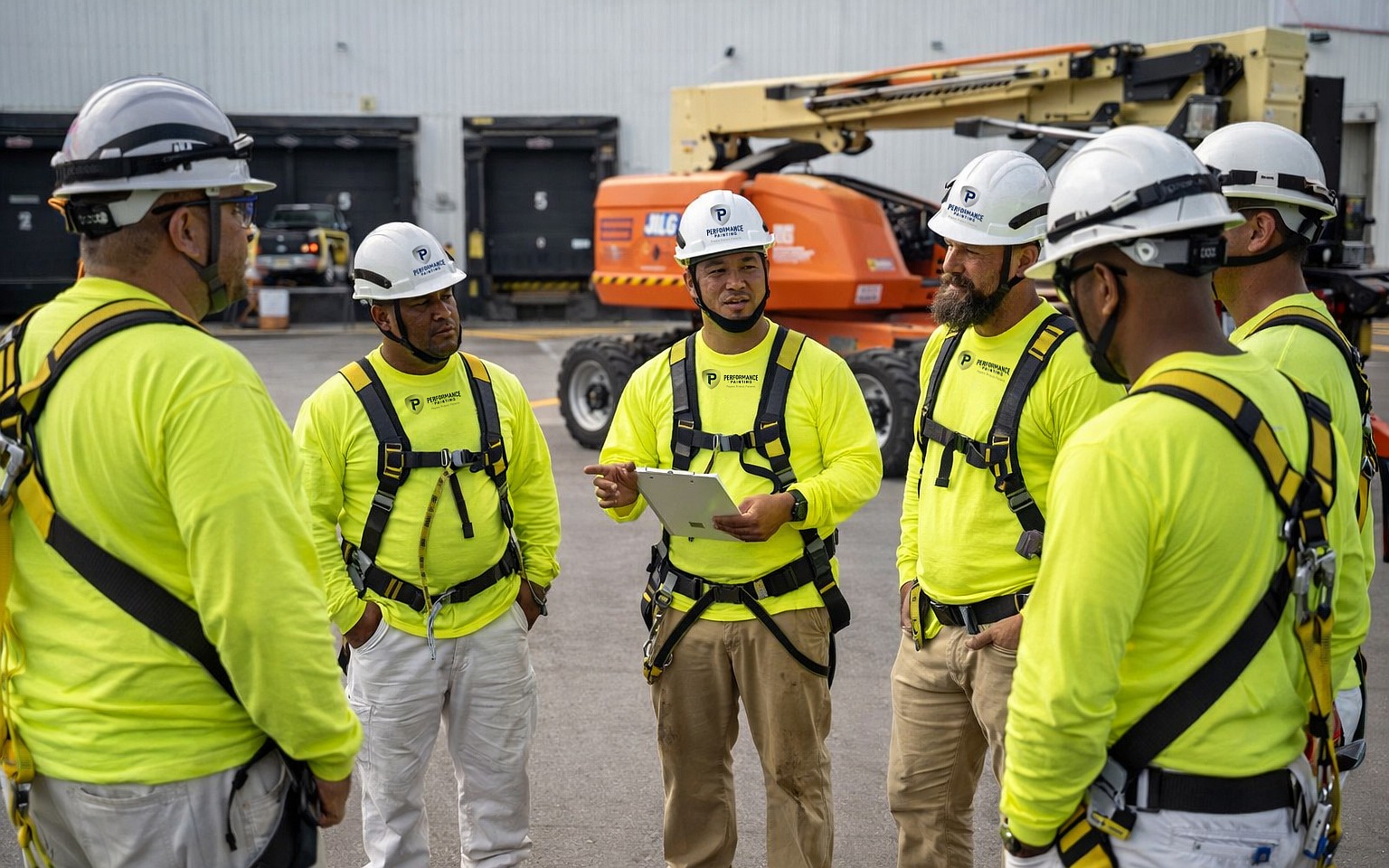
In construction services, safety is often viewed as a compliance requirement — a set of rules, checklists, and training sessions designed to reduce risk. While compliance is essential, the most successful contractors understand that true safety goes far beyond policies. A strong safety culture is not just about avoiding incidents; it is a powerful driver of performance, reliability, and client trust.
A safety culture exists when every team member, from leadership to field crews, takes personal ownership of safe work practices. It is evident in how projects are planned, how teams communicate, and how decisions are made under pressure. When safety is embedded into daily operations rather than treated as a box to check, the results extend well beyond the jobsite.
From a performance standpoint, safety-focused organizations consistently outperform their peers. Projects with strong safety cultures tend to experience fewer disruptions, less rework, and more predictable schedules. Crews who feel protected and supported are able to focus on quality execution rather than rushing or cutting corners. Over time, this leads to higher productivity, better craftsmanship, and more consistent outcomes — benefits that directly impact project timelines and budgets.
Safety culture also plays a critical role in workforce stability. The construction industry continues to face challenges in recruiting and retaining skilled trades professionals. Companies that demonstrate a genuine commitment to employee well-being stand out as employers of choice. When workers trust that leadership prioritizes their safety, morale improves, turnover decreases, and institutional knowledge stays within the organization. This continuity strengthens project teams and enhances overall service quality for clients.
For property owners, facility managers, and developers, a contractor’s safety culture is equally important. A strong safety record reduces liability exposure and minimizes the risk of incidents that can delay projects or disrupt operations. More importantly, it reflects how a contractor approaches responsibility as a whole. Firms that hold themselves to high safety standards tend to apply that same discipline to communication, scheduling, and quality control.
Client trust is built through consistency. When a contractor arrives prepared, follows established protocols, and maintains a clean, organized jobsite, it sends a clear message: this is a company that plans carefully and executes professionally. Safety-driven contractors are also more proactive in identifying potential issues before they escalate, fostering transparency and collaboration throughout the project lifecycle.
In today’s market, safety culture is no longer a differentiator — it is an expectation. Clients increasingly seek partners who understand that safe work environments and successful projects go hand in hand. Contractors who invest in training, clear procedures, and leadership accountability are better positioned to deliver dependable results while protecting both people and property.
Ultimately, safety culture is about respect: respect for employees, respect for clients, and respect for the work itself. When safety becomes a shared value rather than a requirement, it creates a foundation for long-term performance and enduring client relationships.
Safety and professionalism are the foundation of every Performance Painting project. If you’re planning a painting or coatings project, we’d welcome the opportunity to work with you.
Contact us at 904-641-4800 or Performance-Painting.com