
TOURISM/HOSPITALITY INDUSTRY
President & CEO, Visit Jacksonville
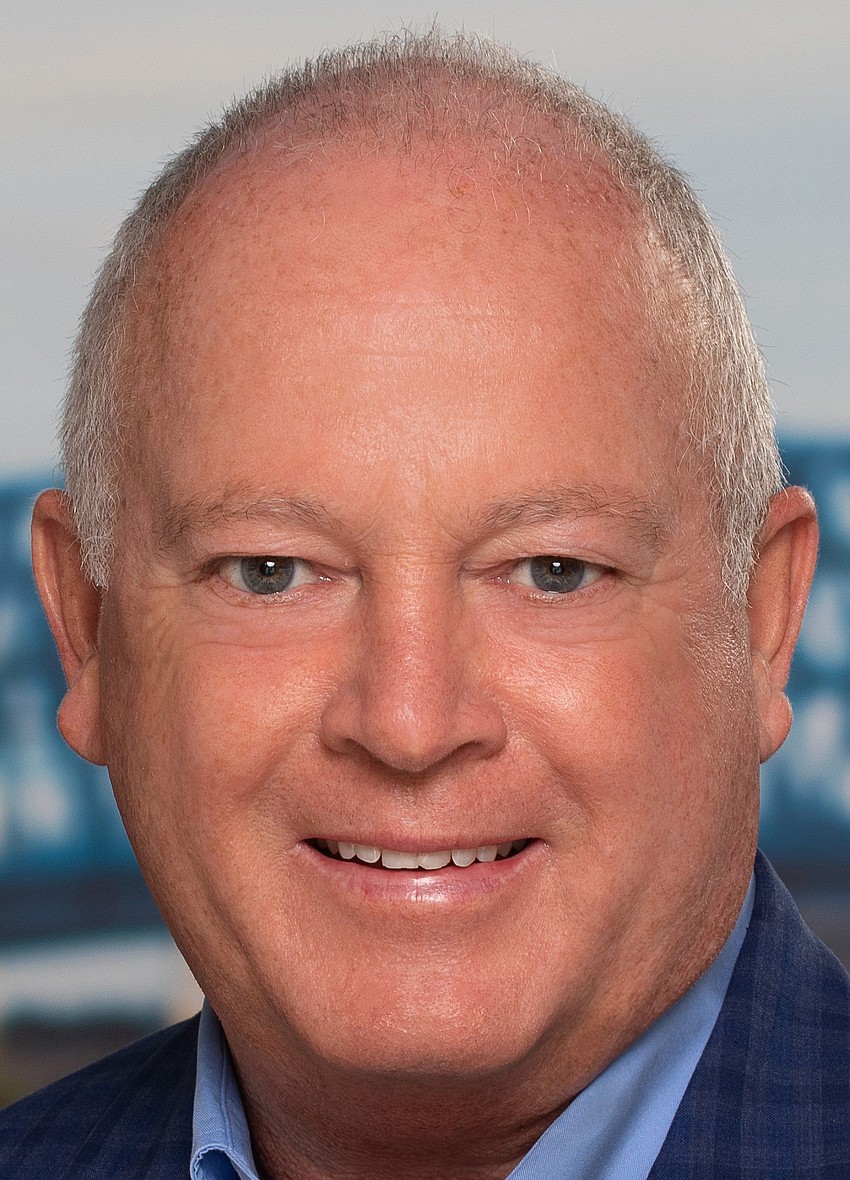
The primary economic issue is continued economic uncertainty related to inflation and tariffs, and that will continue to impact people’s decisions to travel.
Inflation, new tariffs and ongoing construction are creating uncertainty for travelers, businesses and major events in Jacksonville.
These factors are expected to affect leisure and business travel, as well as local development projects.
With more than half of Jacksonville’s visitors coming to see family and friends, Visit Jacksonville is intensifying its marketing and community-education efforts to highlight local activities and encourage residents to “Bring It Home” by hosting meetings and events locally.
These efforts are especially critical during 2026–28, when EverBank Stadium’s reconstruction will pause several major annual events that traditionally attract visitors.
LEGAL INDUSTRY
Attorney, Bedell, Dittmar, DeVault, Pillans & Coxe;
President, Jacksonville Bar Association
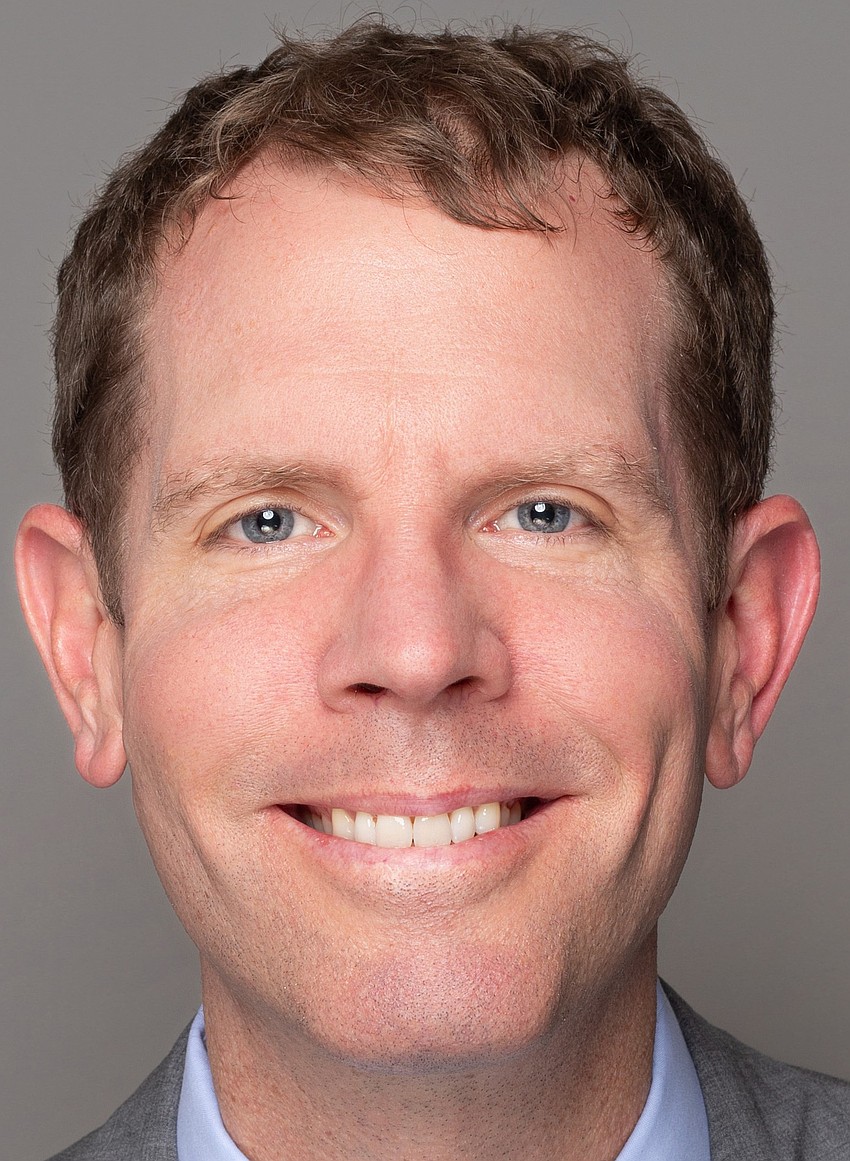
The primary economic issue is maintaining profitability while providing legal services at a price point people can afford.
Costs are continuing to rise, and the disparity in financial resources among clients is widening.
Even straightforward legal needs are becoming inaccessible to many, while firms face rising expenses for staff, technology, insurance and compliance.
The tools that can improve efficiency often require significant upfront investment, leaving many practices caught between cost pressures and the need to innovate.
Firms are exploring limited-scope representation, technology-assisted workflows, community partnerships and expanded pro bono efforts, but these measures only partially address the affordability gap.
ARCHITECTURE
Architect, Dasher Hurst Architects
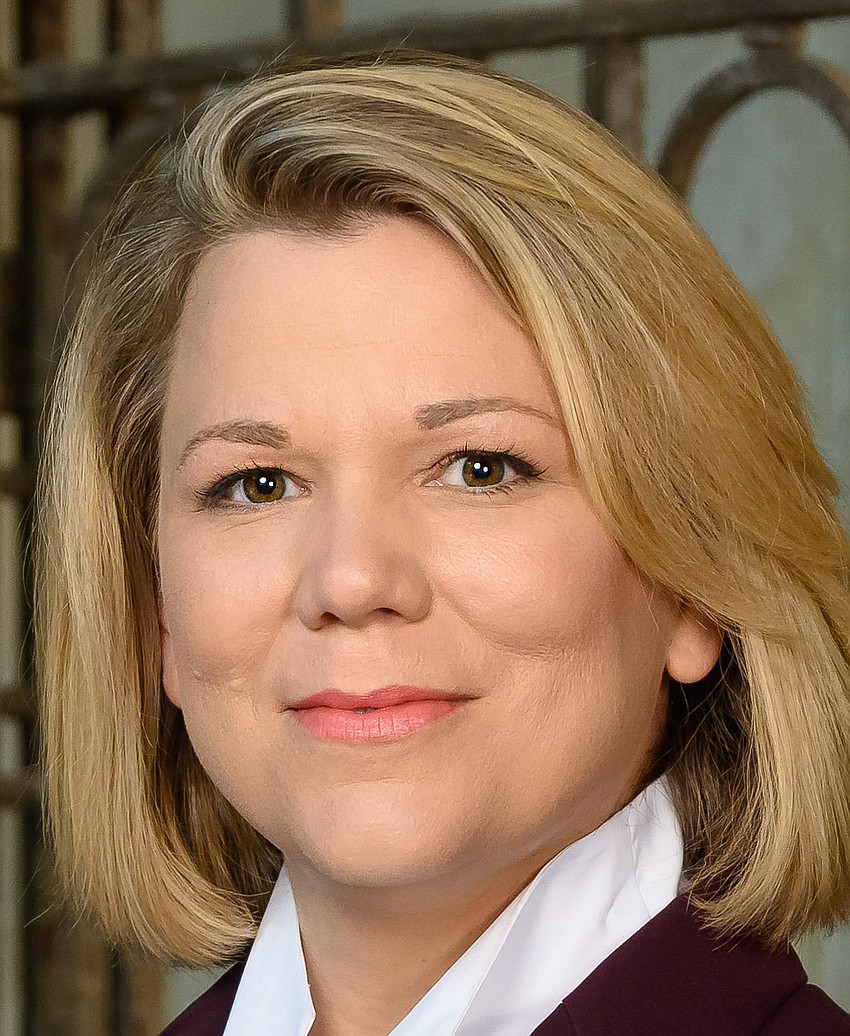
The primary economic issue is the rapid escalation of construction costs that is driven by material price volatility, labor shortages, and supply-chain instability.
Architecture is addressing rising construction costs and labor shortages through smarter planning, earlier collaboration and more efficient building strategies.
Firms are incorporating real-time estimator input to understand price impacts before design decisions are finalized.
Architects are also engaging contractors and key subconsultants earlier in the process to improve budget accuracy, streamline coordination and minimize surprises during construction.
The industry is prioritizing systems that rely on fewer specialty trades and expanding the use of prefabrication and modular components to reduce labor demands and stabilize schedules.
At the same time, architects are emphasizing flexible, resilient design solutions that respond to shifting market conditions, helping clients keep projects viable even as economic pressures intensify.
HUMAN SERVICES
President & CEO, Sulzbacher

The primary economic issue is changing priorities with federal funding, a decrease in private donations due to the economy while at the same time an increased need for our services because of the increased cost of living.
As the need continues to increase and donations and funding decrease, human service providers are scrambling.
Housing and food costs continue to rise, which means that more people are choosing between paying rent or buying food.
This represents the increase in need. As these costs rise, it also impacts people who are donors. For many people, the first budget item that is cut is charitable donations.
With this increased need and decreased public and private funding, nonprofits — who represent the third largest industry sector in the Jacksonville economy, employing roughly 80,000 people — will be facing some tough decisions in 2026.
That is why many nonprofits are collaborating even more closely to leverage resources and why it is so critical that those that still have the means continue to support these vital organizations.
PORT INDUSTRY
CEO, JaxPort
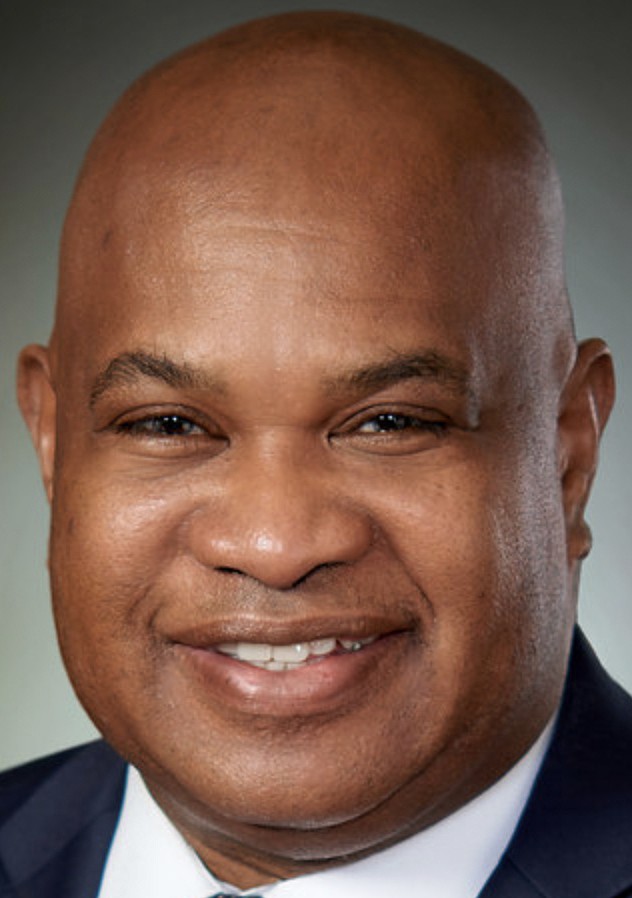
The primary economic issue is navigating persistent global trade volatility driven by geopolitical tension and shifting supply-chain patterns.
To stay competitive in the long-term, JaxPort continues to make strategic forward-looking investments in our infrastructure.
In addition to a deepened shipping channel, our upgraded cargo terminals and berths, new ship-to-shore cranes and cargo-handling equipment give us capability and efficiency to adapt as trade dynamics evolve.
We also continue to broaden the trade routes we service, and maintain a diverse mix of business lines, which strengthens stability even when global markets shift.
These investments help to ensure Florida’s most diverse cargo port continues to support Florida businesses and consumers — no matter how the landscape changes.
What 30 Northeast Florida leaders are saying about the issues and challenges in the year ahead. Their insights will be published online over the next several days:
Jan. 2: John Avendano, Allison Bovee, Debbie Buckland, Harrison Conyers and Brittany Cooney. Story here
Jan 5: Michael Corrigan, Brian Coughlin, Julia Epstein, Cindy Funkhouser and Eric Green.
Jan. 6: Patrick Green, Chris Hand, Jessie Spradley, Joanne Kazmierski, Pepper Lindsey. Story here
Jan. 7: Lauren Little, Steve Livingstone, Albert Loh, Tyler Mathews and Sabeen Perwaiz. Story here
Jan. 8: Lisa Rinaman, Jackie Rowland, Gracie Simendinger, Buck Smoak and Bill Sorenson. Story here
Jan. 9: Jim Stallings, Colin Tarbert, Aundra Wallace, Travis L. Williams Sr. and Chris Wilson. Story here