
SMALL BUSINESS
Program Associate, Jim Moran Institute for Global Entrepreneurship
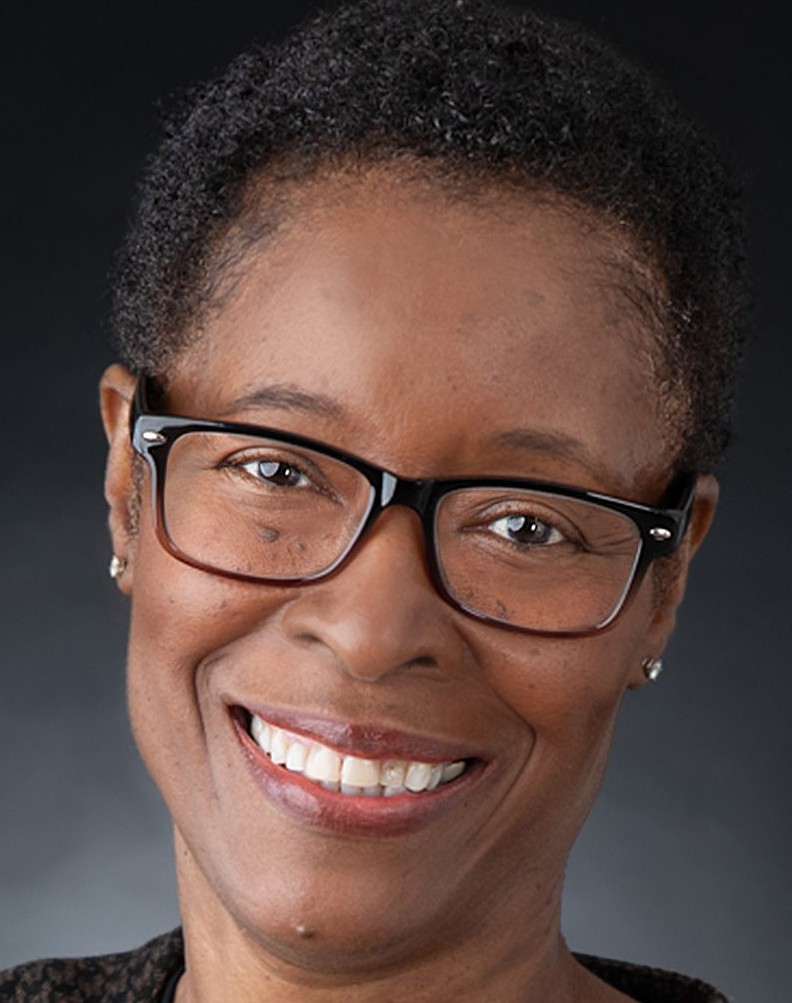
The primary economic issue is the hesitation among leaders to invest in themselves, both personally and professionally.
The Jim Moran Institute offers structured programs designed for mid-stage business owners, CEOs and nonprofit executives — people who may recognize they need to invest in professional growth, but don’t always have the time or resources.
JMI program participants gain concrete tools, from strategic planning and marketing to human resources and leadership skills, that help them develop
as leaders.
CEO Peer2Peer Groups are small cohorts of business owners who regularly meet to discuss real challenges.
This support helps leaders realize they are not alone, share practical solutions and learn from each other’s experiences.
Institute participants can join an alumni network, gain access to conferences and participate in networking — giving them continued opportunities to learn, connect and grow.
Institute programs are offered at no cost to eligible small businesses.
SPORTS DEVELOPMENT
President & CEO, Sporting JAX
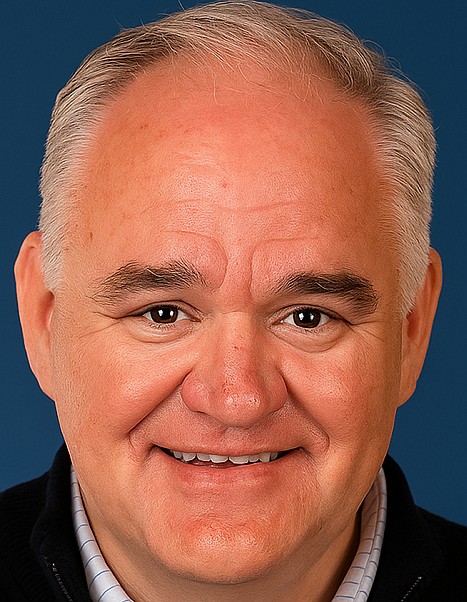
The primary economic issue is rising operational costs in an increasingly competitive landscape for fan engagement and support.
Sporting JAX is building on our strong community support to develop a fan-focused model that enhances our expanding operations and creates long-term value.
Our planned 15,000-seat community stadium will create a home for our men’s and women’s professional teams and serve as a year-round destination for sports and local events across Northeast Florida.
We are leveraging soccer’s rapid growth, the United Soccer League’s expansion and momentum heading into the 2026 World Cup to broaden our audience and attract new fans.
By offering the region’s only integrated pathway from youth soccer to the professional level, we’re cultivating local talent and lifelong supporters.
These efforts position Sporting JAX for sustainable, long-term success while proudly representing our city at the highest levels of professional soccer.
NORTHEAST FLORIDA ECONOMY
Interim Dean, Coggin College of Business, University of North Florida
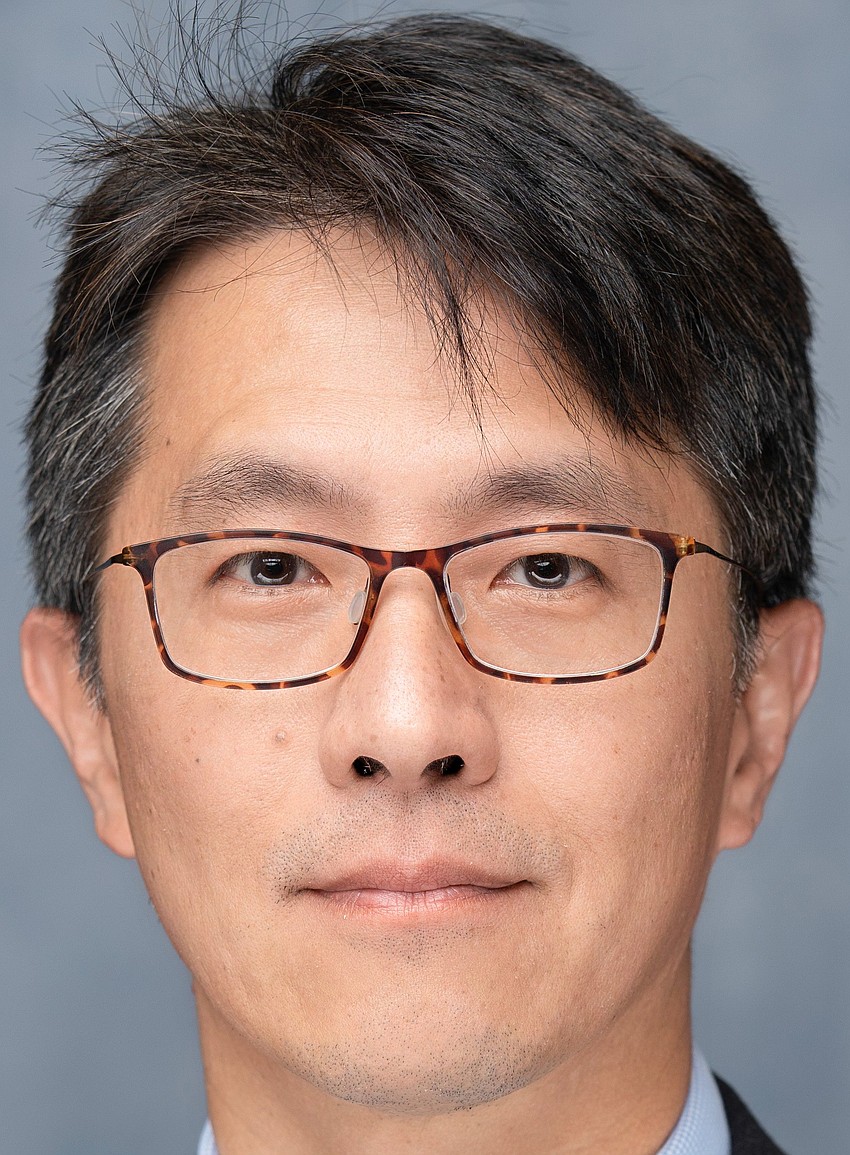
The biggest issue is that Northeast Florida’s economy is being tested by softening consumer confidence, rising housing and insurance costs and broader policy uncertainty that’s making households and employers more cautious.
Even with those headwinds, the region remains relatively resilient compared to the nation as a whole.
Continued job growth and steady in-migration help support local spending, and businesses are adjusting by focusing on efficiency, targeted hiring and workforce training.
We’re also seeing gradual growth in areas like logistics and health care, as well as a modest but steady expansion in the fintech sector, which adds to the region’s economic diversity.
Businesses are addressing labor shortages through training and technology, while investments in port operations and advanced manufacturing are creating longer-term stability.
These combined efforts won’t erase national uncertainties, but they do help Northeast Florida maintain momentum and manage challenges more effectively.
REGIONAL DEVELOPMENT
President & CEO, England-Thims & Miller
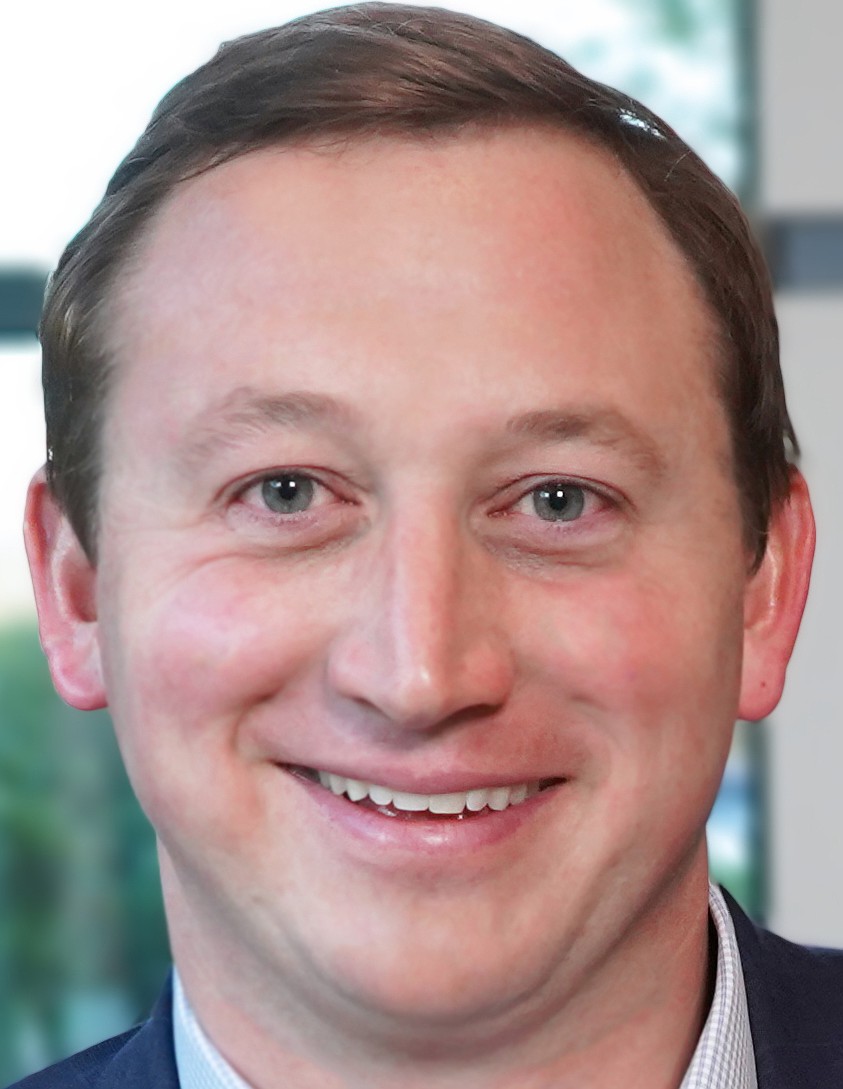
The primary economic issue is a no-growth political environment and elected officials who don’t understand that without new neighbors, the only people left to cover the cost for improved roads, new schools and public safety are the existing residents who will ultimately pay increased taxes.
A region is either growing or dying. When it is growing, new neighborhoods are easing the financial burden for large infrastructure improvements.
These include public safety improvements, transportation funds, parks, conservation, expanding utility capacities and high-quality schools.
When communities, because of politics, begin to say no to good neighborhoods, the only people left to fund needed infrastructure improvements are existing residents.
If existing residents want a great quality of life and a future to believe in, then they will keep the doors open for new neighbors who are paying more than their fair share.
NONPROFIT SECTOR
President & CEO, Florida Nonprofit Alliance
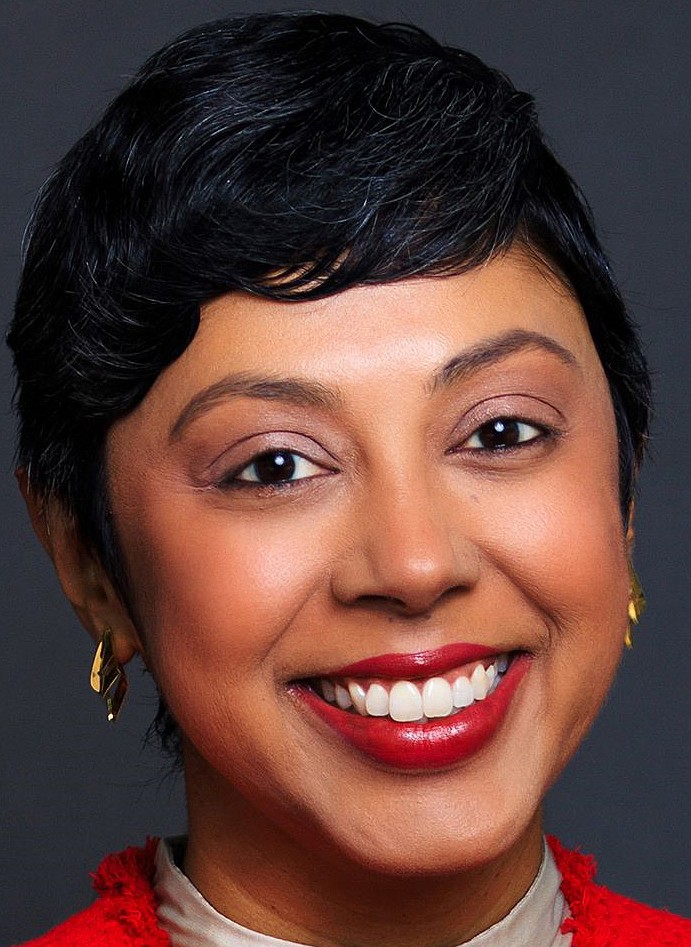
The primary economic issue is the politicization of nonprofits, a risk to Florida’s economy and communities.
Nonprofits have long been trusted as mission-driven organizations strengthening communities.
Yet the growing politicization of the sector threatens credibility, partnerships and the people served.
In Florida, nonprofits contribute billions to the economy and employ thousands — making this not just a social issue, but a business one. At Florida Nonprofit Alliance, we advocate for policies that protect nonprofit nonpartisanship and keep organizations focused on their missions.
Our research underscores the sector’s economic impact and vital role in civic life. On Nonprofit Day, we call on our Legislature in Tallahassee to join us in safeguarding this cornerstone of Florida’s resilience.
A strong, nonpartisan nonprofit community benefits us all.
What 30 Northeast Florida leaders are saying about the issues and challenges in the year ahead. Their insights will be published online over the next several days:
Jan. 2: John Avendano, Allison Bovee, Debbie Buckland, Harrison Conyers and Brittany Cooney. Story here
Jan 5: Michael Corrigan, Brian Coughlin, Julia Epstein, Cindy Funkhouser and Eric Green. Story here
Jan. 6: Patrick Green, Chris Hand, Jessie Spradley, Joanne Kazmierski, Pepper Lindsey. Story here
Jan. 7: Lauren Little, Steve Livingstone, Albert Loh, Tyler Mathews and Sabeen Perwaiz
Jan. 8: Lisa Rinaman, Jackie Rowland, Gracie Simendinger, Buck Smoak and Bill Sorenson. Story here
Jan. 9: Jim Stallings, Colin Tarbert, Aundra Wallace, Travis L. Williams Sr. and Chris Wilson. Story here