
The practice of law is built on trust. Clients depend on lawyers during consequential and often stressful moments. Courts depend on lawyers to advocate zealously while maintaining integrity. And lawyers depend on one another to conduct themselves with civility and professionalism so that the justice system functions effectively.
The overwhelming majority of attorneys honor those obligations. But when professionalism falters, the consequences extend beyond a single case. Professional breakdowns can delay proceedings, increase costs, damage reputations and erode public confidence in the legal system.
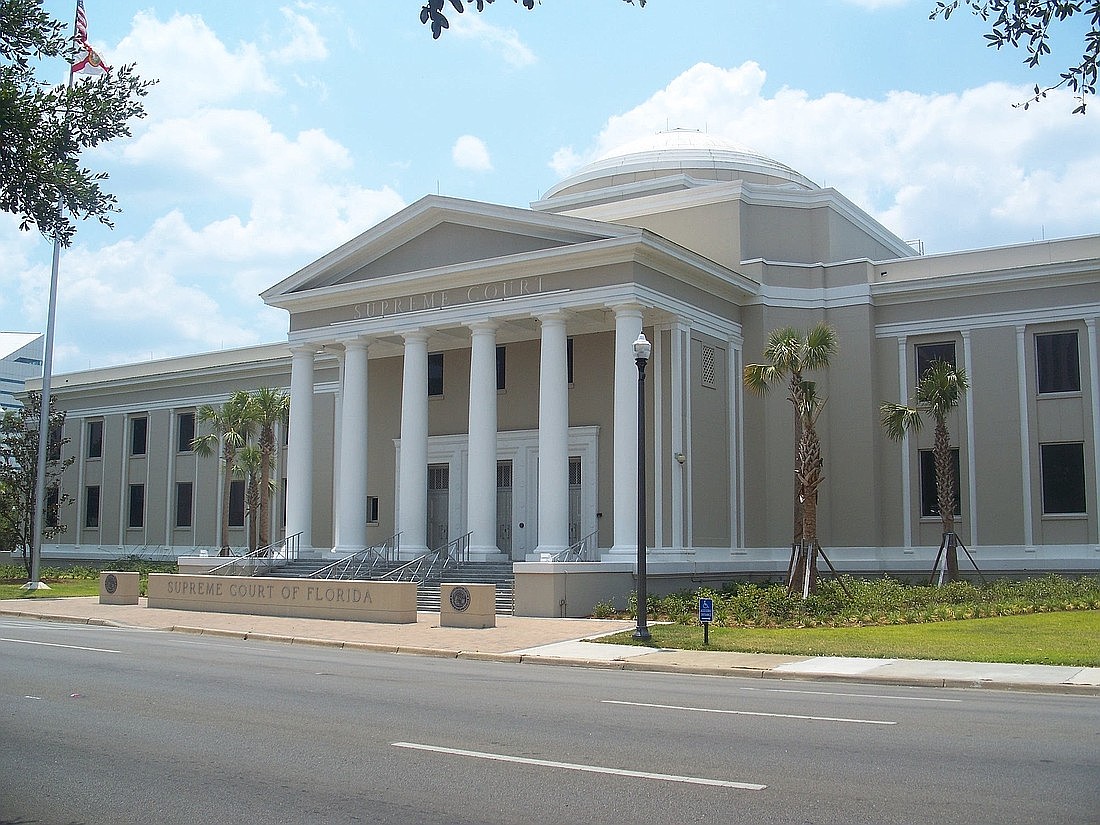
For that reason, Florida has established a Local Professionalism Panel in each judicial circuit. In the 4th Circuit, covering Duval, Clay and Nassau counties, the panel operates under Administrative Order No. 2013-09, as amended following the Florida Supreme Court’s 2023 adoption of the Code for Resolving Professionalism Referrals.
The panel is created and overseen by the chief judge and operates independently of The Florida Bar’s formal disciplinary system. Its members include judges and experienced attorneys.
“The professionalism process in our circuit is available and effective, but it is not utilized as often as it could be,” said Chief Judge Lance Day. “When concerns are brought forward early, the panel provides a structured and thoughtful forum for resolution. I strongly encourage members of our legal community to make appropriate use of it.”
The panel’s purpose is not punishment. It is correction and education. The state Supreme Court has emphasized that Local Professionalism Panels are intended to provide an informal, peer-to-peer mechanism for addressing concerns about professionalism before they escalate into formal disciplinary proceedings.
Referrals may be initiated by attorneys, judges, clients or through The Florida Bar’s Attorney/Consumer Assistance Program.
The Jacksonville Bar Association’s website provides links allowing both members of the public and members of the Bar to submit concerns. Issues of civility in litigation, tone in correspondence, discovery disputes, courtroom behavior, responsiveness and inappropriate electronic communications can form the basis of referrals.
Each referral is screened by a member of the panel to determine whether it is appropriate for consideration.
If a matter proceeds beyond initial screening, the attorney is notified and may be invited to participate in an informal meeting with panel members. Participation is voluntary. The discussion is confidential and non-disciplinary, focused on reinforcing expectations and improving future conduct.
Outcomes may include advisory guidance, recommendations for professionalism education, referral to lawyer assistance resources where appropriate, informal resolution or referral to The Florida Bar when necessary.
Our Local Professionalism Panel is not a substitute for The Florida Bar’s grievance system. The panel does not determine whether a lawyer has violated the Rules Regulating The Florida Bar, and it cannot suspend, fine, reprimand or disbar an attorney. When conduct appears substantial, repeated or serious enough to warrant formal action, the matter may be referred to The Florida Bar for investigation under its disciplinary procedures.
The Local Professionalism Panel is designed for concerns that can be constructively addressed through dialogue, mentoring and reinforcement of professional standards.
“There has been a noticeable shift in the tone and civility of our profession over the years. Improving that culture will not happen by accident. It requires commitment and accountability. The Local Professionalism Panel is one meaningful way to help restore and maintain the standards that define our profession,” said panel member Rut Liles, a former president of The Florida Bar.
Litigation is adversarial by design, but professionalism is not optional. We can disagree sharply without becoming personal. We can advocate forcefully without sacrificing civility.
The Local Professionalism Panel provides a constructive avenue for addressing concerns when those lines blur. Making use of that resource is not about avoiding consequences; it is about maintaining the professional culture that allows lawyers and courts to do their work well.
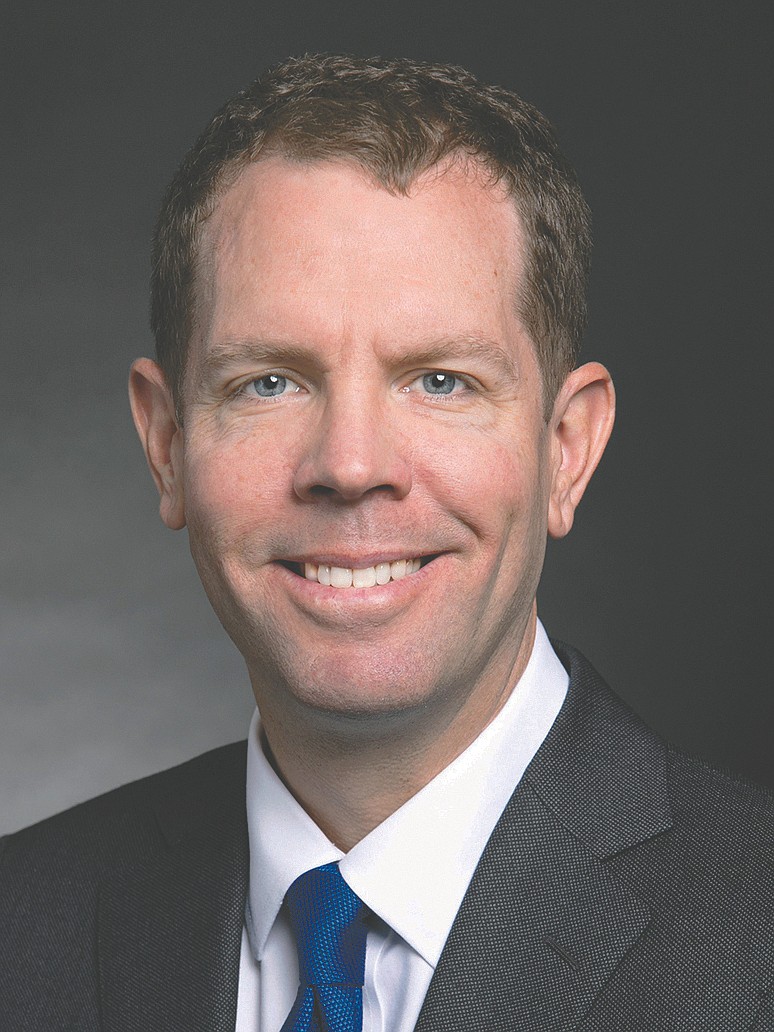
Brian Coughlin is president of the Jacksonville Bar Association for 2025-26. He is a director at Bedell with a focus on criminal justice matters.