
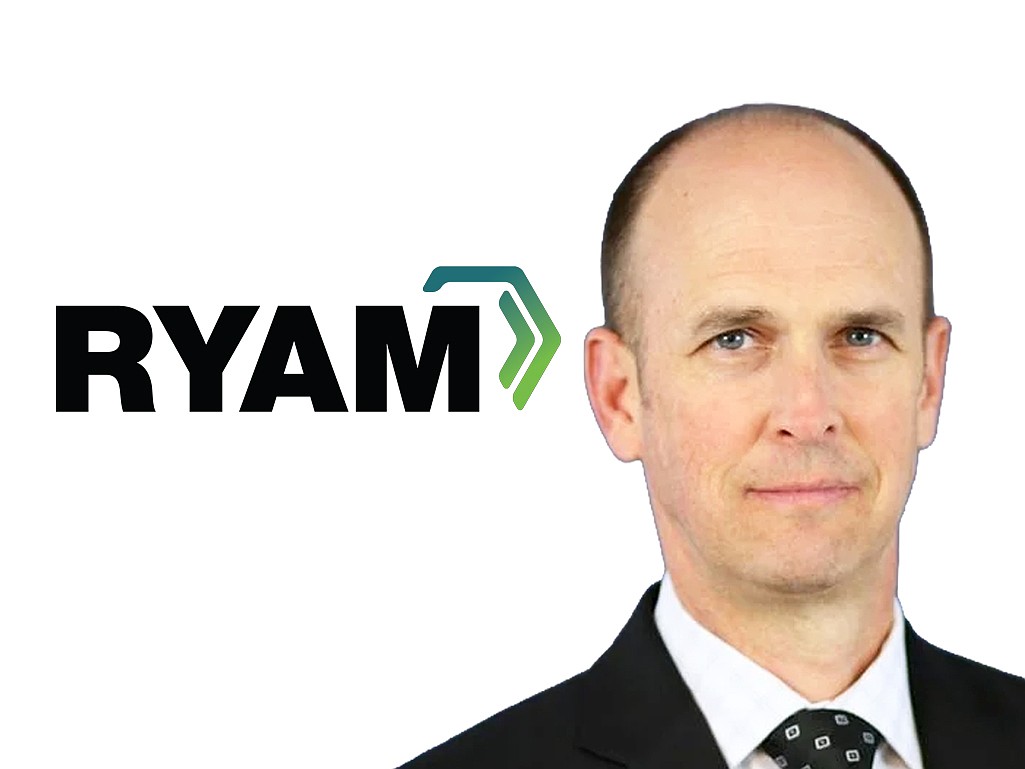
Rayonier Advanced Materials Inc. CEO Scott Sutton has been on the job for only two months but he already has his priorities set for the Jacksonville-based maker of cellulose specialties products.
In a March 4 conference call with analysts after the company known as RYAM reported a loss from continuing operations for the seventh straight year, Sutton said he is impressed by its employees and its product capabilities.
However, “we have urgent work to do to get out of the ditch,” he said.
“Our free cash flow in 2025 was negative $88 million, and we also carry plenty of high-cost debt. That combination is not sustainable,” he said.
Becoming cash flow positive is “priority one,” Sutton said.
“Every group in the company is executing on priority one as a mission-critical activity. We are not just aiming to get out of the ditch. We are aiming to exit 2026 with significant momentum with a heavy focus on execution,” he said.
Sutton expects earnings before interest, taxes, depreciation and amortization to improve in 2026 with contributions from each of its products.
“The point is that one business does not carry the load. The point is that we have multiple levers, and we expect every business to take a step forward,” he said.
RYAM reported a 2025 net loss of $420 million a week after private equity firm American Industrial Partners disclosed it made an offer to buy the company in November, before Sutton joined the company in January.
RYAM’s board of directors rejected the offer but AIP said it was still interested in RYAM if the board chances its mind.
Sutton was asked about that offer by an analyst but he didn’t want to talk about takeover interest.
“I’m probably not going to comment on a specific shareholder or any specific offer except what I will say is, we have plans that will deliver substantially more value,” he said.
“You are going to hear more about those plans as we’re updating them in upcoming earnings calls.”
GEE Group Inc. is another Jacksonville-based company that recently received a takeover offer, but GEE Group is facing more pressure from the potential acquirer than RYAM.
Connecticut-based Star Equity Holdings Inc., which said in January it was interested in buying GEE Group, called for the staffing firm to retain an independent investment bank to conduct a competitive sale process.
“We believe initiating a robust sale process is the most appropriate way for the incumbent board of directors of the Company to exercise its fiduciary duties given the multiple unsolicited offers it said it has received recently,” Star Equity said in a March 3 news release.
GEE Group Chief Executive Derek Dewan said in GEE Group’s Feb. 13 quarterly conference call that the company had received multiple expressions of interest in the company and the board would consider any bona fide offer.
GEE Group did not publicly respond to Star Equity’s latest announcement.
Dewan was previously CEO of Jacksonville-based MPS Group Inc., which was acquired by The Adecco Group for $1.3 billion in January 2010.
The Switzerland-based staffing and services company then consolidated its North American headquarters in Jacksonville in 2014.
Adecco’s North American revenue dropped 13% in 2024, which it said was caused by a broad-based market downturn in the U.S.
However, the company said in a Feb. 25 conference call that the North American business turned around in 2025, with revenue rising 12% and strengthening as the year went on.
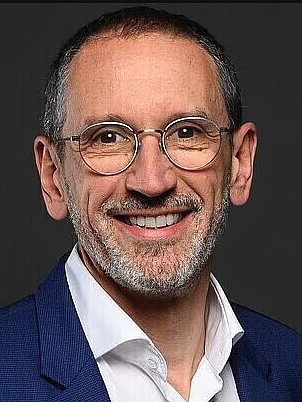
First-quarter revenue was slightly lower than the previous year but by the fourth quarter, revenue was up 23%, CEO Denis Machuel said, according to a company transcript of the call.
“This shows that all the effort that we’ve put in the turnaround plan in the U.S. is delivering,” he said.
Machuel expects growth rates to be more normal in 2026, after last year’s recovery from the weak 2025.
“Our focus and our efforts will be to gain share, to be ahead of the market. I’m quite positive that we can achieve that, but probably not to the extent that we’ve had this year,” he said.
“We have good traction in customer goods, in retail, in autos, in food and beverages. There is traction in the market, and the economy in the U.S. is still pretty good,” he said.
“We are much stronger than we were two years ago. And yes, you can expect growth,” but not as big a percentage as last year, he said.
Adecco announced in 2021 it would move its North American headquarters from Jacksonville to Atlanta, but the headquarters for the continent remain in Jacksonville five years later in a building at the Florida Blue campus at 4800 Deerwood Campus Parkway, near northeast Butler and Southside boulevards.
The company did not respond to a message seeking information on why the headquarters did not move.
Adecco said its 2025 revenue for the Americas, which includes Latin America, was 2.77 billion euros, or about $3.2 billion.
Adecco’s total revenue was 23.1 billion euros, or about $26.8 billion.
Paysafe Ltd., another European company with its North American headquarters in Jacksonville, reported lower 2025 earnings but said its revenue is growing.
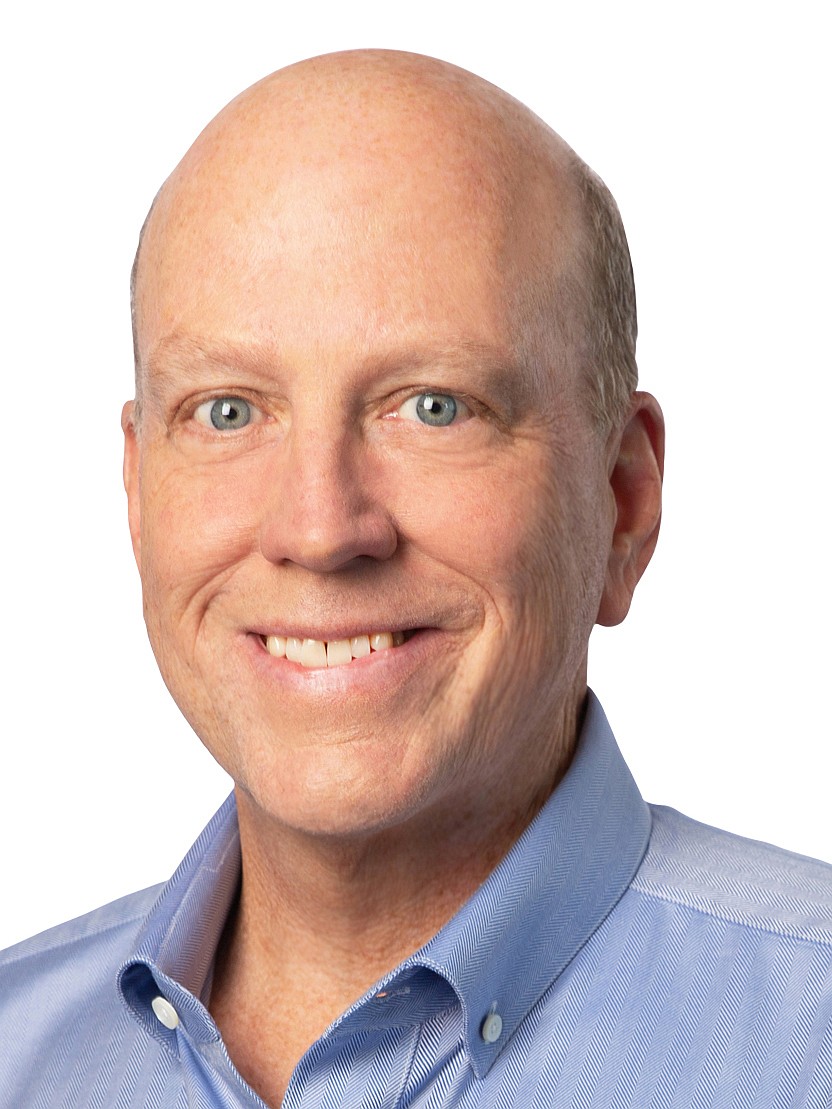
The London-based payments processing company said organic revenue rose 5% last year to $1.7 billion.
About half of its revenue, $829.7 million, came from its U.S. operations.
Adjusted earnings fell 14% to $114.3 million, or $1.95 per share.
CEO Bruce Lowthers, who works out of the Jacksonville office, said in a March 3 news release that 2025 was the company’s third straight year of organic revenue growth, referring to growth excluding acquisitions or dispositions and the impact of foreign exchange rates.
“Over the past three years, we have rebuilt our foundation to enhance scale, speed, and durability, while renewing our commitment to product innovation,” he said.
“In 2026, we are focused on creating outstanding experiences for both our customers and employees, while targeting higher revenue growth and double-digit adjusted earnings per share growth.”
Jacksonville-based Proficient Auto Logistics Inc. said March 2 revenue in January and February of $55 million was 4% lower than last year, due to several factors including severe winter weather.
Proficient, which transports automobiles from manufacturers to dealers, said its projections for March remain intact.
“Although uncertainty remains in the automotive industry outlook for 2026, we expect our revenue and adjusted operating ratio as we look forward to be substantially in line with current analyst consensus,” the company said in a news release.
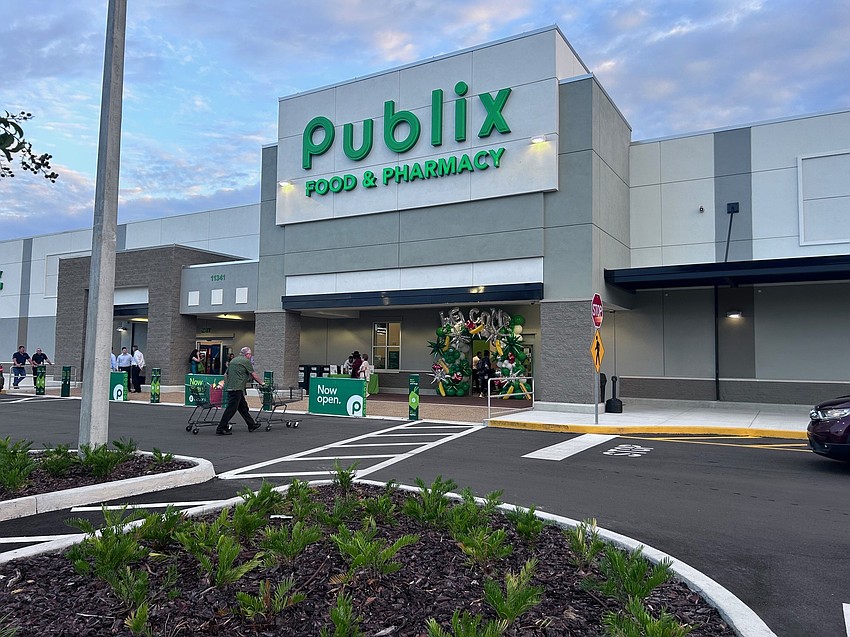
Publix Super Markets Inc. reported adjusted fourth-quarter sales rose 2.8% to $16 billion and sales at stores open more than one year rose 0.7%, but adjusted earnings fell by 3 cents a share to 31 cents.
The Lakeland-based supermarket chain said its stock price decreased from $20.40 on Nov. 1 to $19.65 on March 1.
Publix’s stock is made available for sale only to employees and its price is determined by an appraisal five times a year.
For all of 2025, Publix’s sales rose 5% to $62.7 billion and comparable-store sales rose 3.5%. Adjusted earnings rose by 7 cents a share to $1.23.
Publix operates 1,430 stores in eight states.
Jacksonville-based One Call announced March 3 it agreed to acquire Data Dimensions, a Wisconsin-based company that provides technology services for health care, insurance and government customers.
One Call provides services for the workers’ compensation industry.
Terms of the deal were not announced.
Medtronic plc’s diabetes management subsidiary MiniMed Group Inc. was priced below its hoped-for target range and fell below its initial public offering price on its first day of trading March 6.
Medtronic, the Ireland-based medical products giant, announced plans last year to spin off MiniMed.
After saying in its previous registration statement with the Securities and Exchange Commission that the company was seeking an IPO price of $25 to $28, MiniMed’s offering of 28 million shares was priced at $20 March 5.
The stock then closed at $18.49 the next day on its first day of trading on the Nasdaq Global Select Market.
Medtronic retains a 90% stake in MiniMed after the IPO, according to SEC filings.
The filings said Medtronic intends to make a tax-free distribution of its remaining stake in MiniMed to its shareholders, but details have not been announced.
When the plan was announced in May 2025, Medtronic said it expected to complete the separation of the diabetes business within 18 months.
“Active portfolio management is an important lever to delivering on our ongoing growth and success, and this decision shifts the Medtronic portfolio to have intense focus on our highest margin growth drivers where we have our strongest core competencies,” Medtronic CEO Geoff Martha said in a news release when the plan was announced.
MiniMed, based in Northridge, California, reported revenue of $2.3 billion in the nine months ended Jan. 23, while Medtronic’s total revenue was $26.6 billion.
Medtronic’s subsidiary which produces surgical instruments for ear, nose and throat doctors is headquartered in Jacksonville. The company does not report separate revenue data for that business.