
Up to $2 million | 2025 Revenue: $261,000
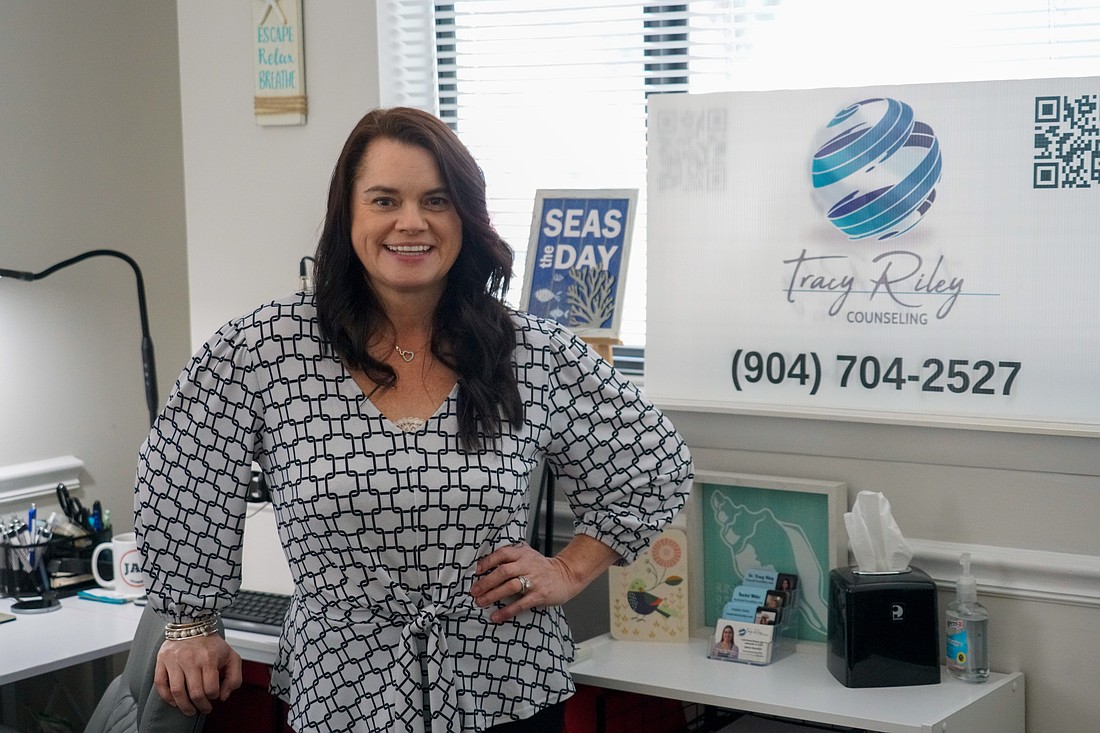
Tracy Riley understands family conflict from both sides of the courtroom.
The Jacksonville-based clinical psychologist evaluates high-conflict disputes after spending part of her own childhood in foster care.
Riley, who grew up in Alabama in a home she describes as abusive and neglectful, said she decided to turn her upbringing into a lifelong mission to serve others facing abuse, neglect and family conflict, which often carries from one generation to the next.
Growing up, Riley navigated a deeply unstable home environment, she said. Social workers eventually intervened, placing her first in group foster homes and later long-term homes. It was painful, Riley said, but also formative.
The people who stepped in to protect her left a lasting impression and quietly set the course for everything that followed.
“They made sure the abuse and neglect I was experiencing stopped,” Riley said of the social workers who helped her. “Somehow that became not just what I do, but who I am.”
That sense of purpose shaped Riley’s educational path. She earned a bachelor’s degree in social work from Auburn University, followed by a master’s degree in social work from Florida State University.
In 2018, she completed a doctorate in clinical psychology, further enabling deepening her work with families caught in complicated legal and emotional disputes.
Each degree was a deliberate step toward the kind of work Riley said she felt called to do.
Early in her career, Riley founded a nonprofit adoption agency focused on helping children find permanent homes.
The work reflected her core belief that a stable, loving family can fundamentally change the course of a child’s life — a belief rooted in her own experience with foster care.
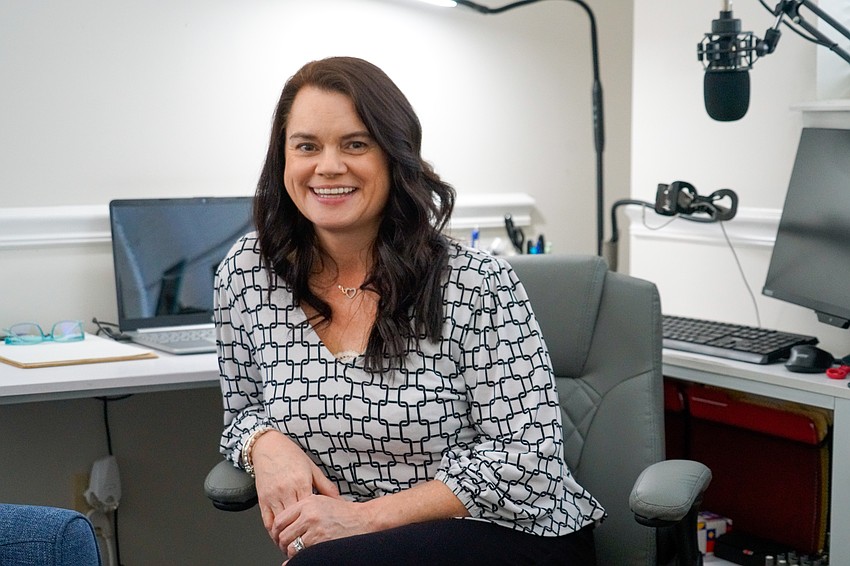
Riley, 52, describes that period of her career as one defined by hope and intention.
“I spent all this time putting families together,” she said.
The work of breaking cycles was never purely professional for Riley. It was always deeply personal.
She raised three children — Brittany, 31; Brooke, 28; and Wesley, 26 — in a home defined by stability and care, an intentional contrast to the environment she had known as a child.
Riley is quick to acknowledge that she was not a perfect parent, but she is equally quick to say she was a good one.
“My greatest joy is that I broke the cycle of abuse and neglect,” she said. “I definitely wasn’t a perfect mom, but I know I did a good job with them.”
Today, all three children have built meaningful lives and careers. One daughter followed in her mother’s footsteps, earning a master’s degree in social work.

Watching Brittany, Brooke and Wesley thrive is the clearest evidence that change is possible and real, Riley said.
Riley came to Northeast Florida by way of marriage to a Navy serviceman who was stationed at Kings Bay, a Navy submarine base in Georgia.
Though the marriage ended, Riley remained in the Jacksonville area and continued to build her practice. Over time, her work increasingly drew her toward the courtroom.
Much of Riley’s practice today centers on forensic psychology. Judges appoint her to cases involving custody evaluations, reunification therapy and family counseling when conflict between parents has escalated to a level requiring professional intervention.
Her entry into forensic work was not planned. Years ago, a friend asked Riley to review a custody evaluation that appeared flawed. Not yet certified to testify in court, Riley analyzed the evaluation and outlined her concerns.
Her supervising clinician later used those observations in court, she said, helping to persuade the judge to order a new evaluation.
From there, Riley developed relationships with family law attorneys, built expertise in high-conflict custody cases and eventually wrote a book on high-conflict divorce.
She mailed copies to dozens of attorneys and judges across the region — a calculated outreach that expanded her network and established her reputation.
“It’s not like it fell into my lap,” Riley said. “When I look back at it, I really paved the path to get there.”
Last year, Riley completed 18 custody evaluations while also consulting with attorneys on several complex cases.
Her practice now includes a team of therapists who provide counseling to individuals, couples and families.
She also supervises interns entering the profession, mentoring them through the emotional demands of the work and encouraging them to bring others along as they grow. She manages a team of 11 counselors.
“Grab somebody’s hand on your way up,” she said. “There’s always room for more.”