
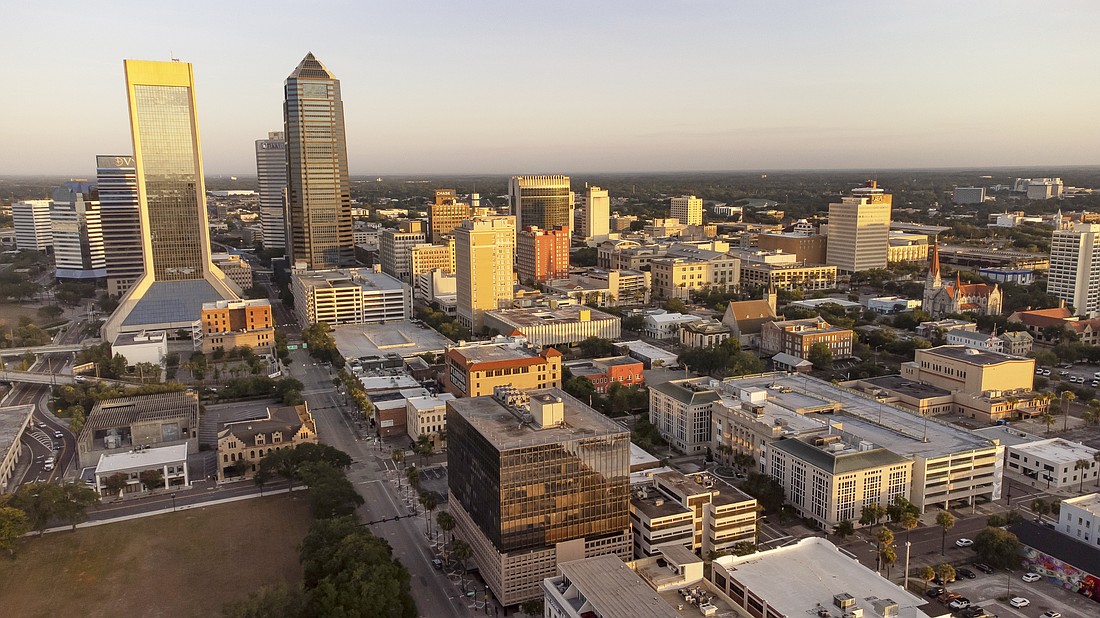
Jacksonville City Council member Jimmy Peluso says he’ll know Downtown revitalization has come to pass when he sees two sights.
“I think we’ll have found true and honest success when it’s 6 o’clock on a Tuesday night and the streets are packed with people,” he said. “I think we’ve found success when it’s Saturday at 1 in the afternoon, and there are no events going on at any of our venues, but people are out and about and businesses are succeeding.
“That’s when I know that we’ve hit the capacity that we need.”
Peluso, whose District 7 includes the Downtown Northbank, is one side of an emerging conversation at City Hall about whether to reduce or even discontinue financial incentives to attract redevelopment in the heart of Jacksonville.
Peluso said he believes turning off the tap now will squelch momentum that has built up in recent years as projects have either launched or been completed. He said he will defend the incentive programs until he’s confident Downtown redevelopment can sustain itself.
On the other side, some of his Council colleagues say the yearslong effort has gained solid traction and can advance on its own, with less or no reliance on taxpayer-provided incentives.
On Feb. 9, the Council Special Committee on the Future of Downtown is expected to debate the issue after some committee members raised the idea of reining in incentives during a Jan. 12 meeting.
Committee member Ron Salem said he believed the city’s incentive programs had done what they were designed to do and the city should begin weaning itself off of them.
“If you go back, the purpose of these incentives was to kick-start the process,” he said. “I think clearly we have done that.”
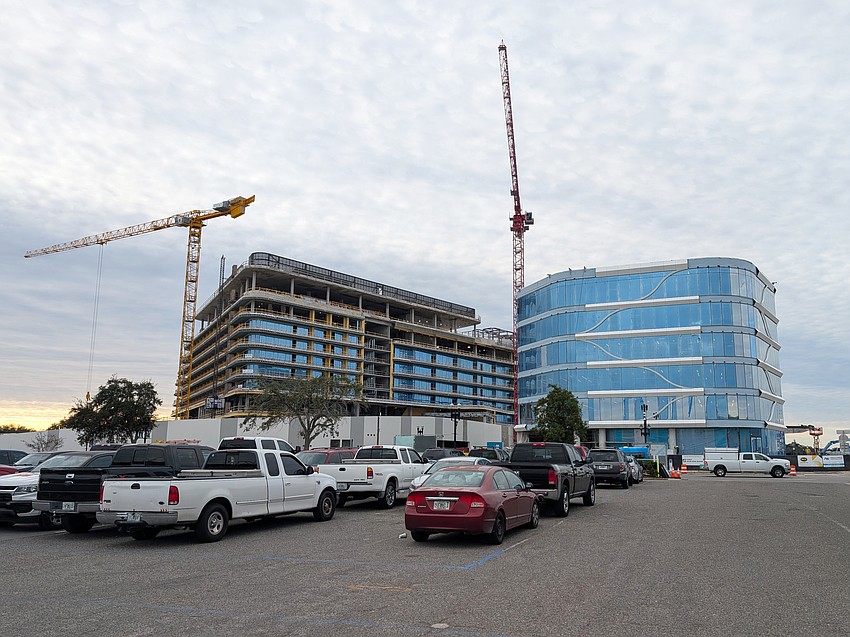
Salem and some other Council members say that with developments such as Shad Khan’s more than $387 million Four Seasons-anchored Shipyards project and Gateway Jax’s $750 million Pearl Square mixed-use district well underway, and with work completed on other improvements such as city riverfront parks, the city can ease off of public assistance without hindering Downtown’s momentum.
They say continuing to offer incentives, particularly completion grants that draw directly from the city’s operating funds, could overtax the city budget while placing a disproportionate amount of money into one part of the city.
Peluso and other city decision-makers disagree, saying Downtown’s economy has yet to improve to the point where projects are financially feasible for developers without city assistance.
Joe Carlucci, chair of the special committee, called for a discussion with the Downtown Investment Authority at the Feb. 9 meeting to review upcoming incentive requests from developers and examine whether to take a new approach.
Going into that meeting, here is a look at both sides of the issue.
The case for maintaining incentives
DIA CEO Colin Tarbert said that although Downtown is showing signs of a turnaround, it’s still an “unproven” market for investors. Rents for residential and commercial space haven’t reached a level where developers can find lenders willing to provide capital for projects without some city assistance.
“The private sector is not going to invest and take a certain amount of risk for a low return, right?” he said. “But once we start to get product online, and we start to build the rent base, then we’ll be able to reduce the amount of completion grants, because lenders will see the rents and all those things. It just takes time, and it’s an evolution. I saw the same thing in the prior city I worked in, where, over time, you build that strength.”
Tarbert came to Jacksonville after serving as president and CEO of the Baltimore Development Corporation, which served a role similar to that of the DIA.
Bryan Moll, CEO of Gateway Jax, said in a recent email that “public-private partnerships are essential for moving projects forward right now.”
“They protect the investment of both taxpayers and the city, ensuring a clear return on investment and allowing more projects to proceed and strengthen Jacksonville’s urban core,” he said.
Tarbert said that in areas of Downtown where significant redevelopment has occurred, particularly Brooklyn and the Southbank, a scale-back of incentives could soon be appropriate.
He said that in others, particularly the historic core that the DIA brands as City Center, incentives remain necessary to offset low rents and high costs of adapting historic buildings for modern uses.
Tarbert said the upcoming discussion on incentives would give the DIA and Council a chance to strategically plan for projects expected to come forward in coming years, prioritize them and budget for them.
“I think the Council and I share a similar perspective in a couple of ways, one being the kind of predictability that I think everybody wants in terms of what’s coming down the pike,” he said.
Peluso said pulling back on incentives now would be “a typical old-school Jacksonville mentality.”
“We’ll start doing something and showing the private sector that we’re moving forward, then pull back the moment we want to, not the moment where it makes the most sense,” he said. “I’m very concerned that we would start undoing the exceptional work we’ve been doing to get the products we want in our Downtown.”
Peluso said Downtown revitalization was about more than restoring buildings. It involves strengthening the city’s ability to compete with other Southeastern metros for employers, highly skilled workers and visitors. He said cities that have made progress in revitalizing their downtowns – Charlotte, North Carolina; Nashville, Tennessee; Austin, Texas – have seen an influx of residents eager to live in a dense, walkable, urban environment close to where they work.
Peluso said the same thing has started to happen in Jacksonville, where the Downtown population has grown as new residential units have come online.
“The investment and money that we put into our Downtown is well worth it,” he said. “We’ve already seen it in other cities, and I think we’ve seen it a bit already here. People want to be here. I think it’s evident.
“So to pull back when we are so much closer than we were in years past is, to me, just truly baffling and the antithesis of what many of us ran for and what many of us who are Downtown advocates believe in.”
A snapshot of redevelopment
Recent spot checks of Downtown showed that it’s not nearly as busy as Peluso hopes it will become.
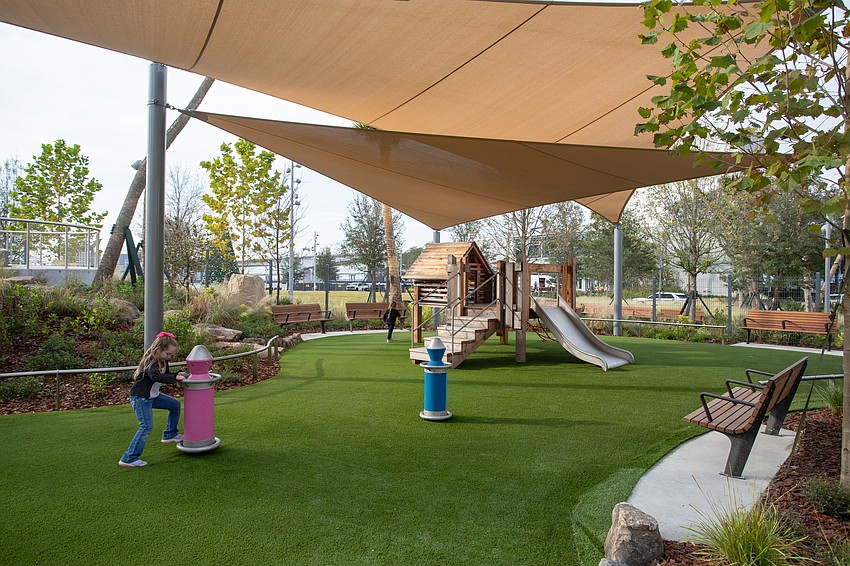
Foot and motor traffic is sparse on weekend afternoons, although the recent opening of the first phase of the Riverfront Plaza park has drawn in some families.
At 6 p.m. on Jan. 27, a Tuesday, there was little activity in the historic core other than an ICE protest at the Bryan Simpson U.S. Courthouse. At Forsyth and Laura streets, a reporter counted fewer than 12 people on the sidewalks looking every direction.
But individuals on both sides of the debate say Downtown has gathered steam in the past two to three years, thanks to such projects as Khan’s Four Seasons Hotel and Private Residences, Gateway Jax, and city parks and other infrastructure improvements at Riverfront Plaza, St. Johns River Park and RiversEdge on the Southbank.
Gateway Jax has broken ground on five blocks of its Pearl Square development, while construction of the Four Seasons and the adjacent One Tower Court office building progresses.
Plans for the University of Florida’s graduate campus in LaVilla are advancing, as is construction on the “Stadium of the Future” remake of EverBank Stadium.
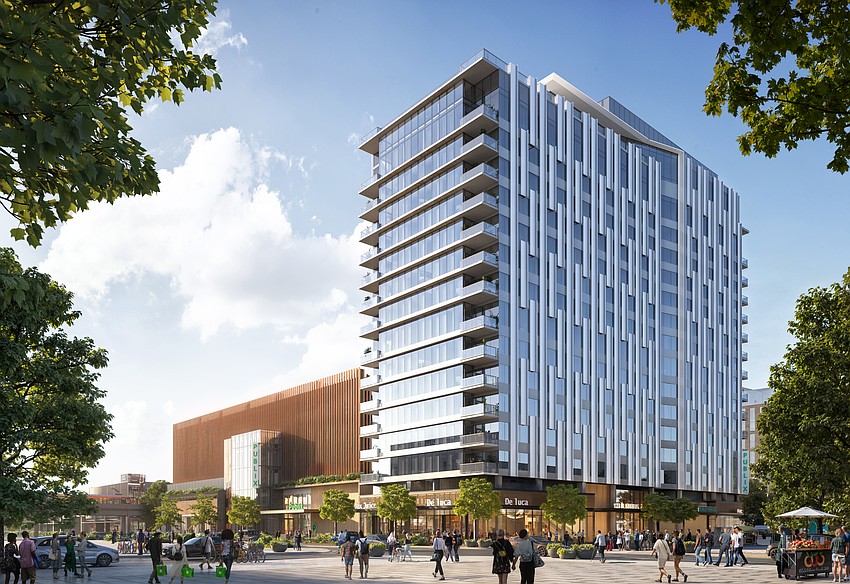
Several other projects are moving ahead, including Miami-based Related Group’s proposed 25-story residential tower on the Southbank.
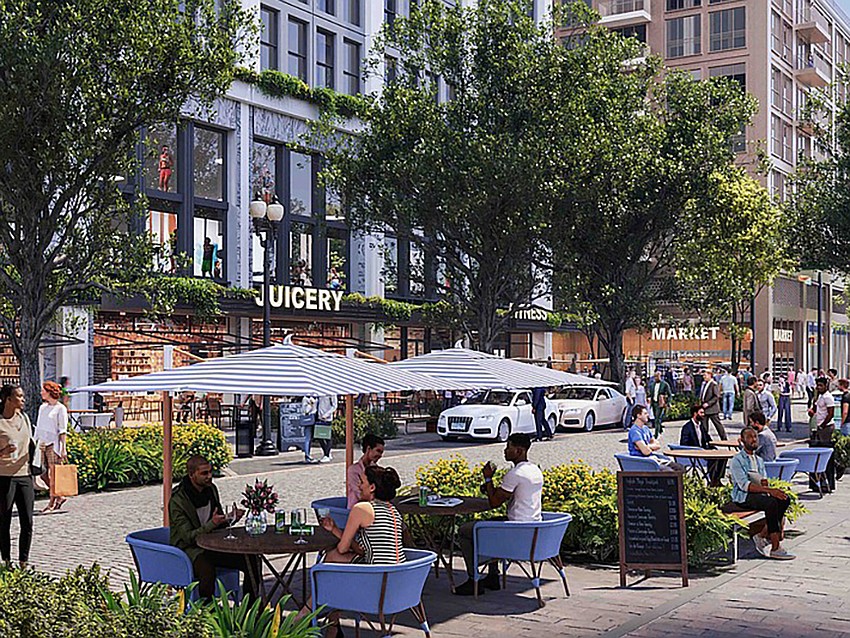
Peluso said the involvement of proven developers like Gateway Jax and Related shows that Downtown is on an upswing. Moll, who is partnering with JWB Real Estate Capital and DLP Capital on Gateway Jax, developed such projects as Water Street in Tampa before coming to Jacksonville. Related Group has developed more than 65,000 units of real estate valued at over $20 billion, according to its website.
If Jacksonville begins attracting other high-achieving developers, he said, it will be another sign that the city can start to ease off of incentives.
“We need a private sector to be quick to say, “No, we don’t need incentives. We’re just excited to build here because of the return on investment that we’re seeing,’” Peluso said. “I think we’re getting closer to that. But to push the brakes now, it’s just such an awful sign to the folks who have invested so much time and energy and money into some of the projects we already have.”
On Jan. 28, a Downtown business operator who said he had been waiting 10 years for momentum to catch hold called it quits.
Ben Davis, owner of Intuition Ale Works in the Sports and Entertainment District, posted on social media that he was closing the brewer, restaurant and music hall on April 24 when its lease expires.
Davis said he had been trying to find someone to purchase the business but “the right buyer never came.”
Among the reasons for his decision, he cited the lack of progress in Downtown revitalization.
“I don’t regret the move,” he said in the posts. “It was ambitious, and it was my call. But that ambition was rooted in the hope that transformative downtown development would follow. It never did. Renderings and potential do not pay the bills. Ultimately, the financial burden placed on Intuition made long-term sustainability impossible.”
The case for dialing back on incentives
To understand the argument for reducing or eliminating incentives, it’s important to know that incentives essentially come in three forms. They are:
• Recapture Enhanced Value Grants, or tax rebates. These incentives are based on increases in tax revenue that a property will generate once it is redeveloped. REV Grants provide developers with a rebate of a percentage of that added revenue over a certain number of years.
• Low- or no-interest loans.
• Completion grants, which are cash incentives provided after projects are constructed. Unlike REV Grants, which involve the city forgoing tax revenue, completion grants require a payout from the city. These payouts come from the city’s general fund, which is similar to a household budget.
For years, Council took an a la carte approach to incentive requests, committing to projects with little consideration about how they would affect the city budget when they came due.
That began to change in 2022, when Salem introduced legislation requiring the DIA to provide an updated list of project commitments to Council when seeking incentives. Council approved Salem’s Ordinance 2022-0218, which according to a legislative summary attached to the bill, was to allow Council to “better gauge current and future encumbrances to the General Fund for DIA projects.”
In 2024, that list drew increased scrutiny from Council as payouts for completion grants for large-scale projects began appearing on the near horizon.
By early 2025, Council member Will Lahnen was warning that the city’s $75 million worth of commitments for completion grants amounted to an “incentive cliff” that threatened to exacerbate projected budget deficits. Those commitments include $25.8 million for the Four Seasons and its adjacent office building, One Tower Court, and $39 million for the Miami-based Related Group’s proposed 25-story Southbank residential tower.
Lahnen and Council Vice President Nick Howland led a charge for the DIA and the city Office of Economic Development, which administers incentive programs for development outside of Downtown, to use more REV Grants and reduce or eliminate the others.
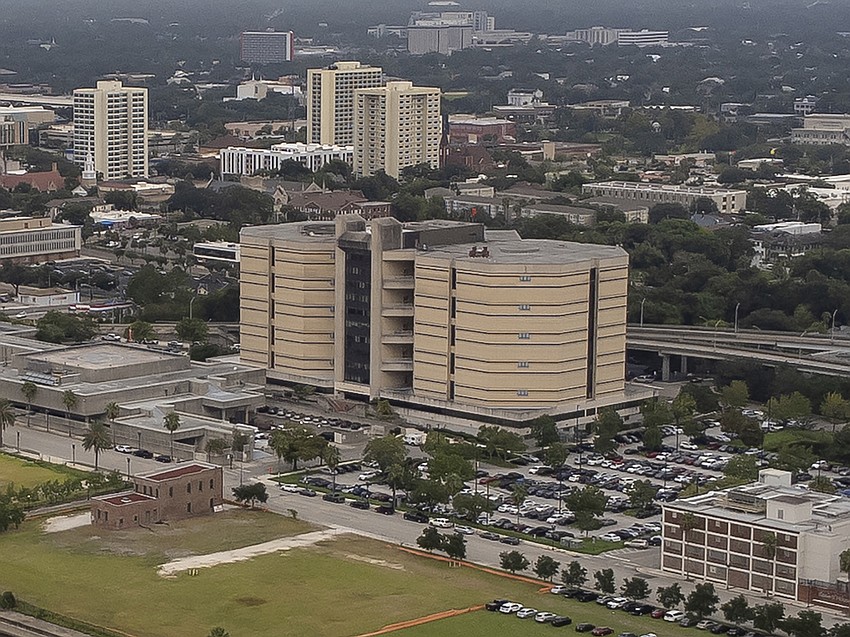
Those pushing against cash grants say the city can’t afford to keep offering them while facing high-ticket needs such as replacing the city jail and fulfilling raises granted in 2024 to police officers, firefighters and corrections officers. Council also reduced future incoming revenue by providing a one-eighth of a mill reduction in the city’s millage rate in the fall of 2025, which is projected to reduce tax revenues by $70 million over five years.
Then there are other high-priority projects that either have drawn requests for completion grants or are likely to do so.
They include Gateway Jax’s proposed mixed-use tower at Riverfront Plaza, which Moll has said will need a $20 million completion grant, and potential redevelopment of the Laura Street Trio of historic buildings at Forsyth and Laura streets.
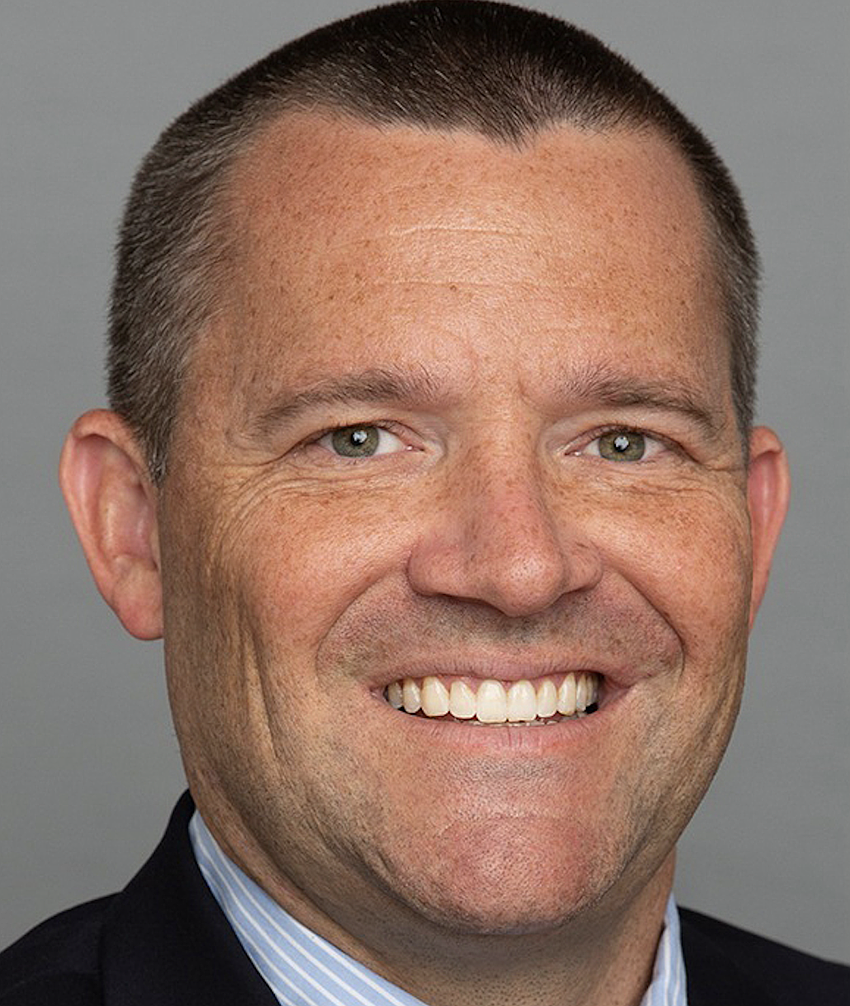
Amid those pressures, Lahnen said, it’s imperative for the city to rein in Downtown cash incentives.
Noting a goal by Tarbert to boost Downtown’s resident population to 20,000, more than twice its current level, he questions the logic of the city investing hundreds of millions of dollars in a neighborhood that would comprise 2% of the city’s 1 million-resident population.
Lahnen serves Council District 3, an affluent district that includes the St. Johns Town Center.
To illustrate his concern that the city is overinvesting in Downtown, he uses an example of a $28.25 million completion grant for Gateway Jax’s Publix-anchored mixed-use tower proposed on the site of the former First Baptist Church main auditorium.
Lahnen said District 3 is within close proximity to four Publix stores that were built without a penny of public funding. He said the proposed completion grant for the Downtown Publix is 10 times more than the money being spent on the only two projects being undertaken this year in District 3 under the city’s capital improvement plan.
And both of those projects were funded with leftover money from other projects that were completed under budget, he said.
He noted that a proposed hotel at Baptist Health’s campus on the Southbank, for which the health care provider is seeking an $8 million completion grant, is similar to the Hilton Jacksonville at Mayo Clinic, which was completed in 2025 with no city incentives.
Lahnen said he would like to cut off completion grants at least until he sees a long-term list of potential projects.
“I know some deals happen fast, but I’m at an all-stop until I have a better idea of what do the next couple of years look like,” he said. “I need a solid view about everything that could be coming our way.
“We are fooling ourselves mathematically if we think we can do all the things being talked about right now with cash completion grants.”
Seeking a cutoff date
Salem contends that the DIA’s incentive programs were designed to put Downtown on a solid path to redevelopment, not to see it all the way to the end.
As described in DIA and city documents, the redevelopment strategy can be described as a wheel effect in which incentives attract private development, which in turn draws in new residents, restaurants, entertainment venues, visitors and more. The influx generates an infusion of money, which encourages more investment and development. As the quality of life improves and property values rise, incentives are no longer needed because redevelopment projects are financially viable without them.
If carried out as designed, Jacksonville receives a revitalized Downtown and taxpayers recoup their investment as tax revenue increases from the redeveloped property.
Neither the DIA’s bylaws nor the legislation contains a prescribed date or metric at which incentives must be dialed back. A 2023 booklet outlining the DIA’s master plan, which was last updated in 2022, contains no sunset date.
Salem, a second-term Council member whose last official act as president in 2023 was to establish the special committee on Downtown, said it’s time to set a cutoff date.
“I don’t know that you need to be on the downhill (of redevelopment) when you start pulling back,” he said. “If it’s a hump, I think we’re clearly on the upswing or close to the top.”
Entering the discussion on incentives, Salem said he will advocate for the city to prioritize projects and replace completion grants with loans for those developments.
“I’m flexible on the date and what particular projects we need to focus on, but I think we need to be looking at some point in the not-too-distant future that we get out of this business (of providing incentives),” he said.
In scheduling the discussion to start at the special committee meeting on Feb. 9, Carlucci requested a full list of projects in the pipeline, including what he described as potential redevelopments that have yet to be formally submitted.
“We have to have it by then, because we’re looking at more and more (projects,” he told Tarbert. “You’ve got 16 or 18 or however many. We’ve really got to start making these decisions based upon priority, funding years, so on and so forth.”
The Special Committee on the Future of Downtown meeting is scheduled in the Council chambers at City Hall. The start time was not available at publication.