
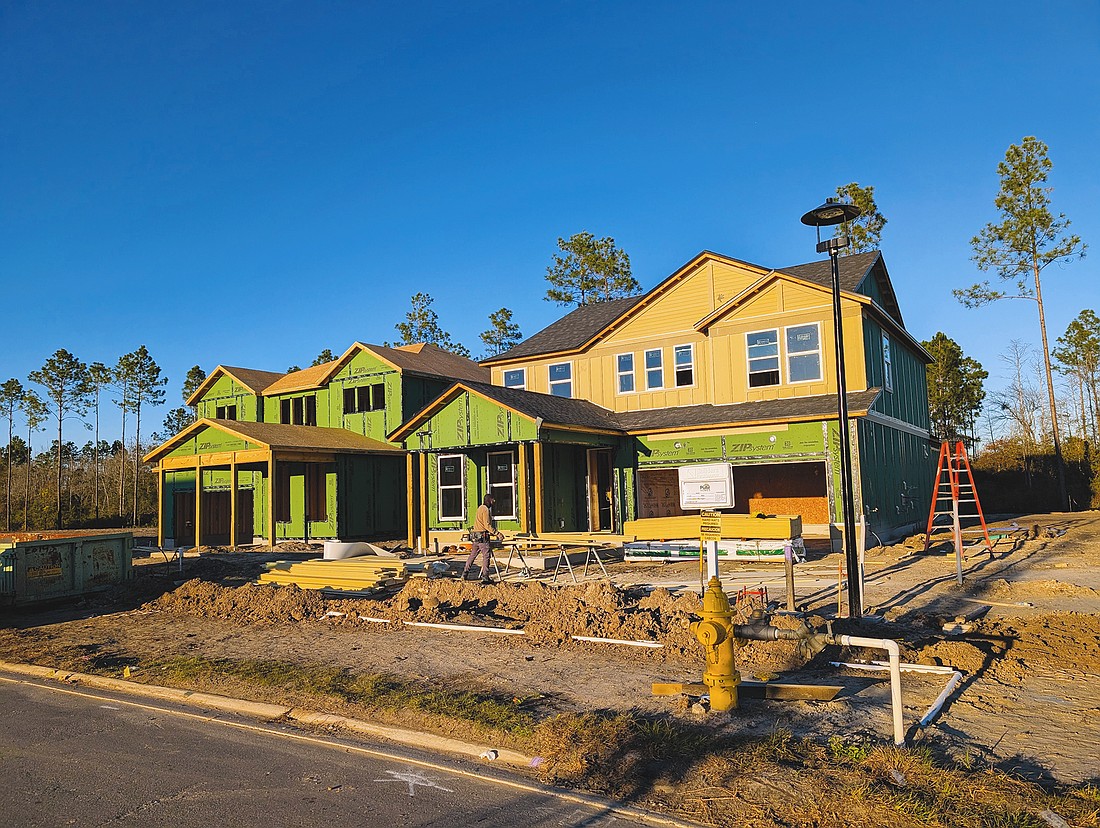
Home prices dipped and residential construction fell off in Northeast Florida through 2025, yielding advantages for homebuyers in the region.
“With inventory being high, buyers were able to get the home they want and negotiate the home that they want,” said Mario Gonzalez, president of the Northeast Florida Association of Realtors and owner of Navy to Navy Homes. “They can negotiate improvements or repairs, they were able to negotiate again.”
Gonzalez said the region is experiencing “a more normalized market” after post-pandemic years when prices soared, homes were on the market for days rather than weeks, inventory was low and sellers had a take it or leave it attitude.
In December 2025, the median home price was $397,000 in Baker, Clay, Duval, Nassau, Putnam and St. Johns counties, the counties tracked by NEFAR. That was was 4% more than November but 2.3% less than the December 2024 price of $399,000.
The average median price throughout 2025, calculated by adding each month’s price and dividing by 12, was $357,244. That was down 3.4% from 2024, when it was $370,073.
Houses stayed on the market around 42 days, up from 37.42 days in 2024.
The construction sector was sluggish. Permitting fell nearly 30%, from 12,551 single-family permits in 2024 to 8,828 in 2025. It was the lowest rate since 2016.
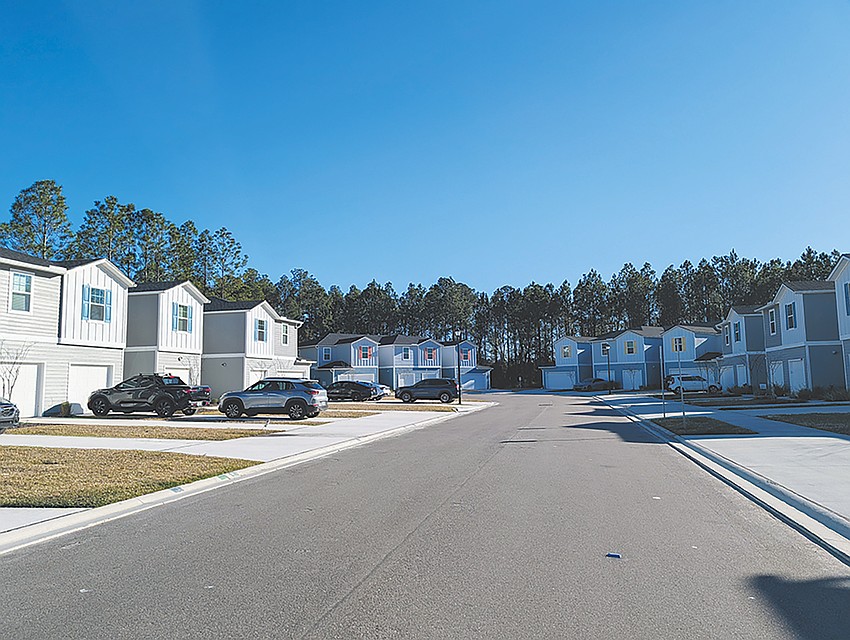
Interest rates played a role in the market shift. Rates for 30-year fixed mortgages in Jacksonville are about 6.2%, according to Fannie Mae, less than the nearly 8% recorded in October 2023 but still higher than levels during the market’s hotter years.
On the construction side, local leaders of the Northeast Florida Builders Association cited uncertainties due to tariffs, community opposition to some large residential developments, increased labor costs and impact fees for the decrease in homebuilding.
The slowdown of construction, coupled with the price drop of resold homes, left buyers with more choice and increased negotiating power. Those buying a new home could press for incentives and deals on interest rate. If buying a previously owned home, buyers can ask for more upfront repairs rather than buying as-is.
Gonzalez sees Northeast Florida as a robust market in 2026.
Jacksonville was the only Florida city to be listed on the National Association of Realtors’ Top 10 Housing Hot Spots for 2026. That list was based on 10 economic, demographic and housing factors, including household income growth, job growth, share of sales with price cuts and ratio of rents to mortgages.
Costs hard to control
NEFBA presidents Seth Kelley, 2025, and Scott Brannock, 2026, said factors affecting residential construction include rising costs of labor, fees and materials.
Tariffs placed on China can result in increased prices from 25% to 50% on materials such as lumber, metals wire and finished products like cabinets and vanities.
“Like it or not, China is a major source for everything from microwaves to
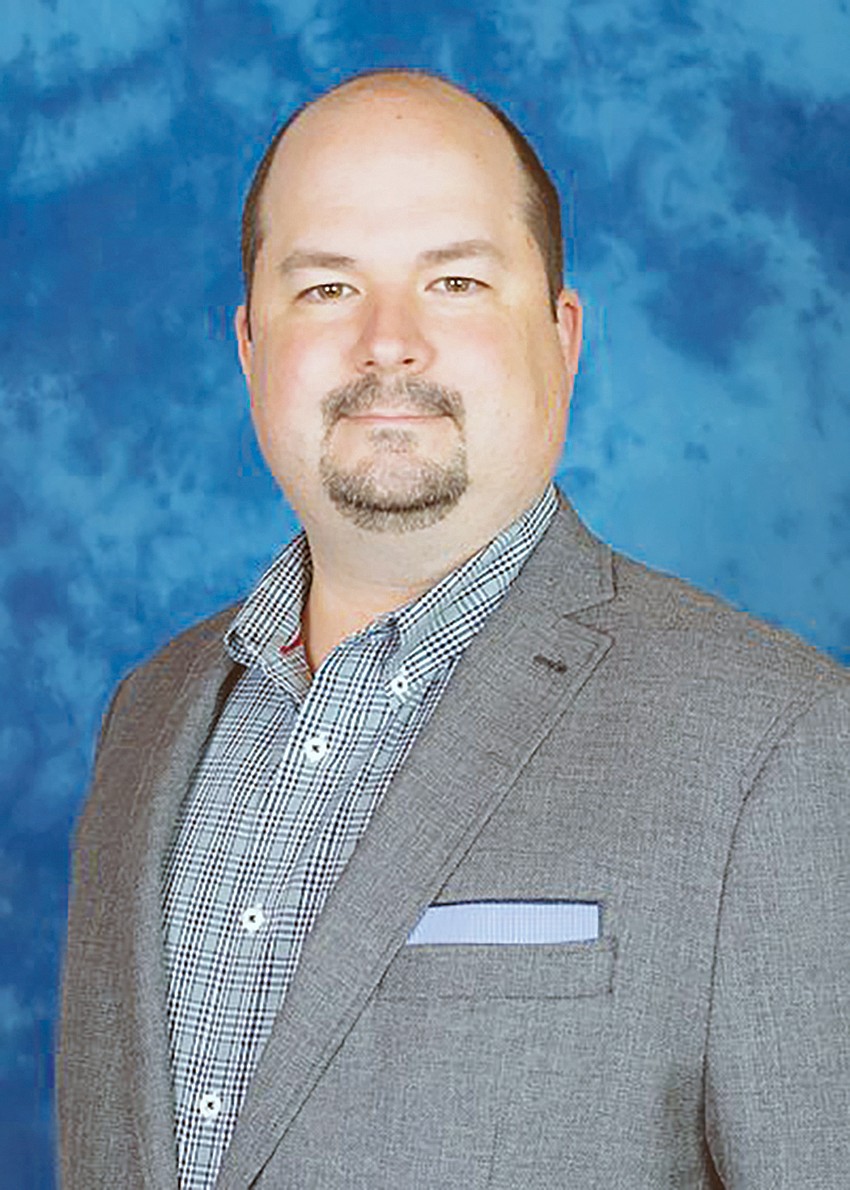
extruded aluminum products to fasteners, etc.,” said Kelley, vice president of purchasing at the MasterCraft Builder Group.
“Post-COVID, we should have seen some material costs go down, but they went up. They went up not because of availability and they didn’t go up because of demand. They went up because a manufacturer or a dealer doesn’t know from one day to the next what their hard cost is.”
Florida’s minimum wage has increased by $1 per year since 2022, the result of a ballot measure approved by voters in 2020. Under the ballot measure, the wage is set to reach $15 per hour in September 2026.
Workers earning minimum wage and working 40 hours per week will see an additional $2,080 annually from this year’s increase.
Kelley said builders pay more than entry-level wages for introductory construction labor.
“Some of the entry-level stuff is probably affected by (the minimum wage),” Kelley said.
“Someone can get a much easier job at a service industry place working hourly than someone sweeping out houses, doing cleaning up on job sites and so forth. The majority of our labor is making more than minimum wage.”
Impact fee concerns
Impact fees also are a source of concern for homebuilders. Local governments impose those fees to pay for roads, schools and infrastructure to support the increased population generated by housing developments. Builders generally pass the costs along to buyers, driving up home prices.
“A lot of municipalities have gone to the point where they are dependent on that for all of their infrastructure,” Kelley said. “That’s putting an undue burden on new construction.”
He cited National Association of Home Builders statistics that impact fees account for 25% of every dollar spent in construction. That figure applies to Northeast Florida, he said.

Another factor that slowed residential construction activity in 2025 was community pushback to large residential developments, particularly in St. Johns and Nassau counties. Examples included denials by St. Johns County officials of the proposed 3,000-home Water Lily development along County Road 214 and County Road 13 North, and the 3,300-home “Agrihood” community along County Road 214.
Builders may be able to appease governments through what Brannock, president of Tidewater Homes, calls smart growth.
He calls for builders to address neighborhood concerns before applying for rezoning. To gain neighbors’ support, he advocates for decreasing the scope of a planned community, increasing lot sizes and saving trees rather than clear-cutting acres of woodland.
“I personally hope to see more smart growth, rather than large communities, because none of those are getting passed, none of those are getting approved, they’re all being killed,” he said.