
When the Florida Legislature convenes in Tallahassee, the effects of its work quickly reach the daily practice of law across our state.
Statutory changes do not remain abstract policy debates for long. They shape litigation strategy, influence courtroom procedures and ultimately affect the advice attorneys give their clients.
For members of the legal profession, legislative developments are therefore more than matters of civic interest; they are part of the practical framework within which we practice.
The 2026 session has been active even by Florida standards. More than a thousand bills were filed addressing such issues as property taxation, housing supply, insurance markets, health care workforce programs and regulation of emerging technologies.
Not every proposal directly affects courtroom practice, but legislative action in any of these areas can create new regulatory obligations, shift liability risks and generate the kinds of disputes that eventually find their way into the legal system.
Some proposals speak more directly to the day-to-day work of attorneys. One measure garnering attention this session would clarify attorney-fee provisions in certain family law proceedings, including dissolution of marriage, child support and parentage disputes. The legislation would make explicit that courts may award attorney’s fees retroactively, or prospectively when equity requires, and it would allow courts to consider whether a party rejected a good-faith settlement offer when determining fee awards.
For family law practitioners, provisions like these can shape litigation strategy and settlement dynamics alike, particularly in cases where the financial consequences of extended litigation may be substantial.
A second measure with direct consequences for litigation practice cleared both chambers and awaits the governor’s signature: HB 145 raises Florida’s sovereign immunity caps under section 768.28 for the first time in more than a decade.
Under current law, recovery against the state or a government subdivision is capped at $200,000 per person and $300,000 per incident. The enrolled bill sets those figures at $350,000 per person and $500,000 per incident for claims accruing between Oct. 1, 2026, and Sept. 30, 2031. The new thresholds will affect how attorneys evaluate and value cases involving state agencies, counties, municipalities, school districts and other public bodies.
Legislative activity also affects the administration of justice in ways that receive less public attention but can be equally significant. Adjustments to court procedures, judicial resources, funding structures and statutory interpretation standards may not generate headlines, yet they can meaningfully influence the efficiency and accessibility of Florida’s courts.
Lawyers and judges alike must remain attentive to these developments, because the administration of justice depends not only on judicial decisions but also on the statutory framework within which those decisions are made.
In an environment where legislative activity is extensive and fast-moving, keeping pace can be difficult for individual practitioners. This is one reason voluntary Bar associations remain an important part of the professional landscape.
Through continuing legal education programs, committee discussions and collaboration with statewide organizations, the Jacksonville Bar Association helps its members stay informed about developments affecting the practice of law and the functioning of our courts.
The legislative process will continue to evolve as bills move through committees, amendments are debated, and final votes are taken. Some proposals will become law, others will stall, and still others may return in future sessions. Regardless of the outcome, the process itself is a reminder that the legal system operates within a living statutory framework refined by the Legislature.
For lawyers, staying attentive to that process is not simply a matter of professional curiosity. It is an essential part of practicing law in a system shaped largely by legislative action.
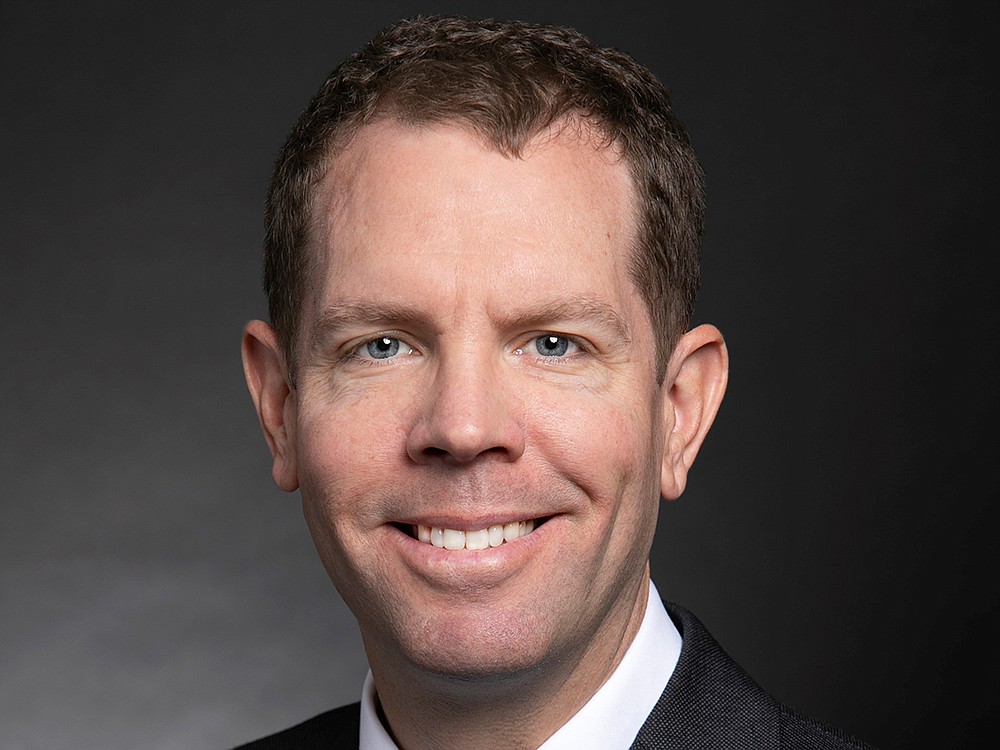
Brian Coughlin is president of the Jacksonville Bar Association for 2025-26. He is a director at Bedell, focusing on criminal justice matters.