
The small commercial tenant landscape in Jacksonville enters 2026 with strong, measurable momentum.
First-quarter leasing activity is strong with no signs of slowing, driven by business expansion and continued Jacksonville population growth.
Across all sectors, tenants remain active but practical in their decision-making.
Most are focused on securing space that meets current needs rather than planning for future expansion.
Properties that are well located and ready for occupancy continue to lease at a steady pace, while more specialized or larger footprints generally take longer to fill.
Landlords with well-located properties prioritize creditworthy tenants with established track records and expansion plans.
Startup businesses find better traction in secondary locations with longer-term lease commitments backed by personal guarantees.
Warehouses remain the tightest sector. Like markets nationwide, Jacksonville faces acute demand from small businesses requiring industrial space — inventory that’s increasingly difficult to secure.
Despite constraints, deals are materializing: Two prospects are currently in lease review, including a 6,000-square-foot cold-storage requirement and a temporary warehouse for new construction.
Medical office demand stays elevated, though highly specialized. Practice-specific build-outs mean turnkey medical suites rarely transfer between tenants.
A 12,000-square-foot medical office lease executed in late 2025 demonstrates sustained absorption in this category.
Traditional office space is moving, particularly turnkey suites with competitive rates.
Landlords offering compelling value propositions are winning tenants, evidenced by a recent Southpoint lease and a 7,000-square-foot Downtown letter of intent just last week.
Retail shows the most equilibrium with steady fluidity across the sector.
However, it remains the most challenging entry point for startups due to substantial capital requirements for tenant improvements and operations.
Downtown retail is experiencing a renaissance, with multiple letters of intent currently under negotiation for Downtown projects signaling renewed vitality in the urban core.
Ground leases have emerged as a notable trend, becoming significantly more prevalent than five to 10 years ago, particularly as land values have appreciated and development opportunities have become more strategic.
Looking ahead through 2026, sustained population growth and business formation should maintain pressure on industrial inventory while office and retail markets continue their steady absorption patterns.
Tenants demonstrating financial strength and flexibility in space requirements will be best positioned in this competitive landscape.
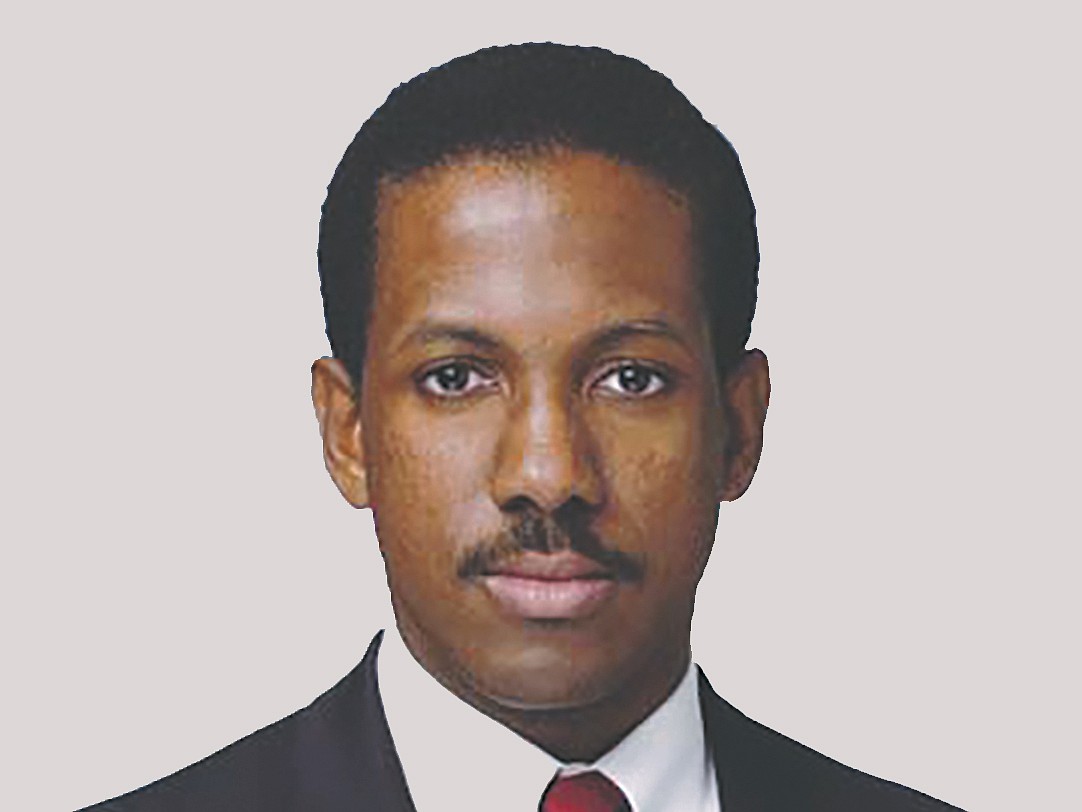
Messer is a sales associate with Watson Commercial Realty Inc.
Matthew Clark: Next up Downtown: ‘Contemporary clothing and furniture brands’. Story here
2026 a balancing act for Northeast Florida commercial real estate market. Story here
Top commercial sales of 2025. List here
Top commercial sales of Q4 2025. List here