
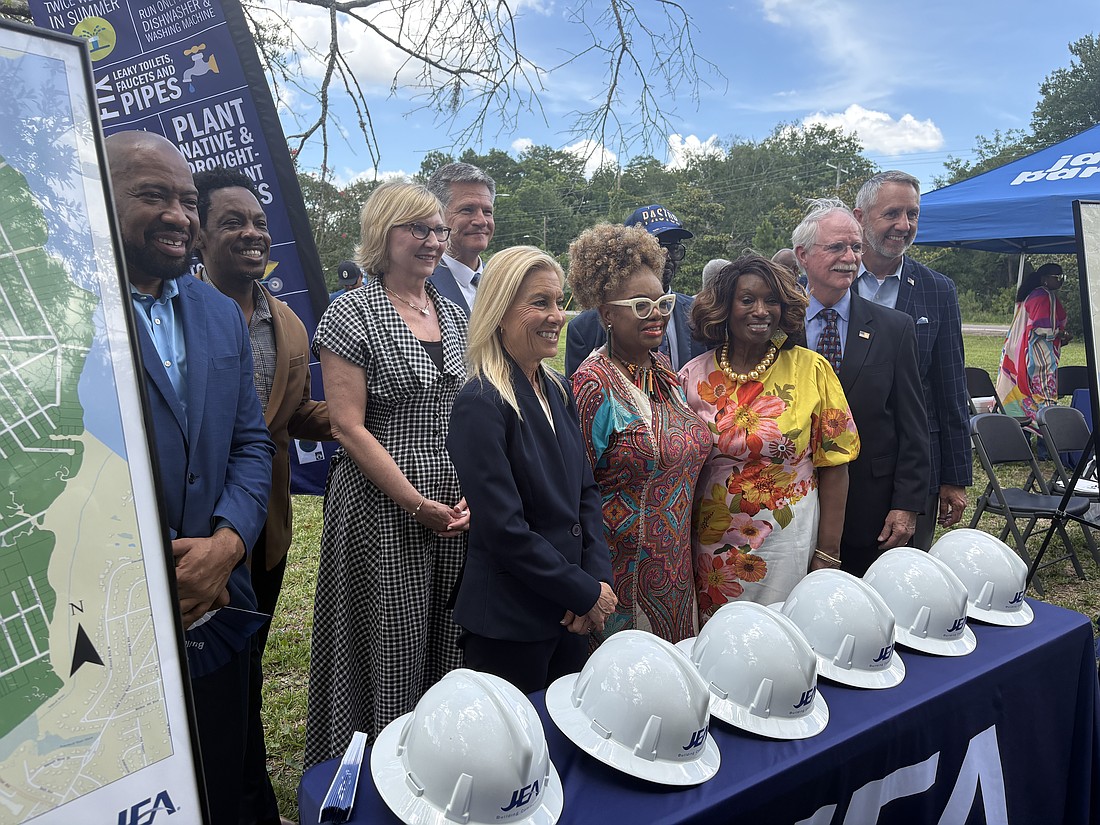
JEA’s push to replace aging septic tank systems across Jacksonville has advanced in recent months, as city and federal officials celebrated the start of a phase-out project in the Christobel neighborhood June 18.
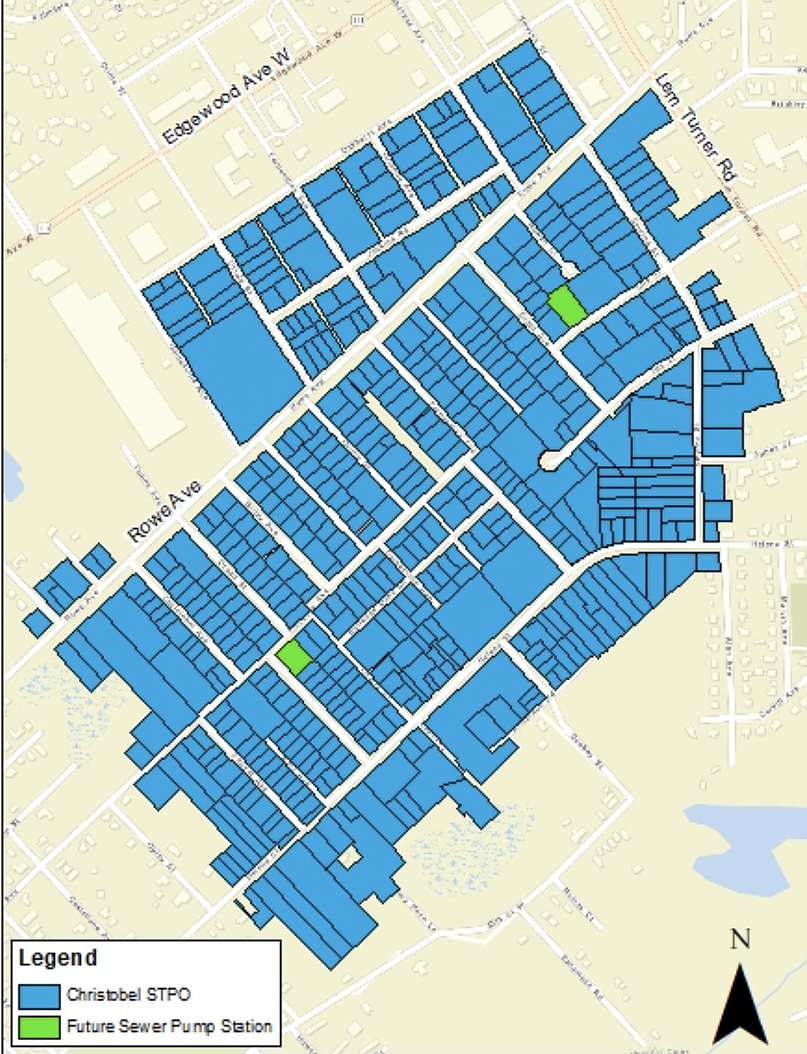
Work began in March to replace around 500 tanks in the Northwest Jacksonville neighborhood near Edgewood Avenue West and Lem Turner Road. The work is expected to run through late 2028.
Speaking to media representatives and members of the Christobel neighborhood, Mayor Donna Deegan cited the project as a point of development for the area.
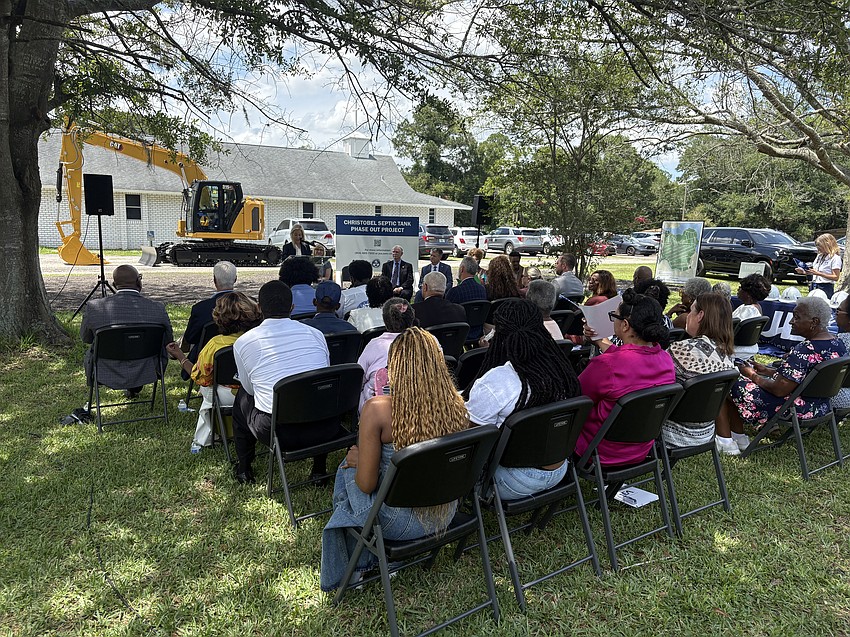
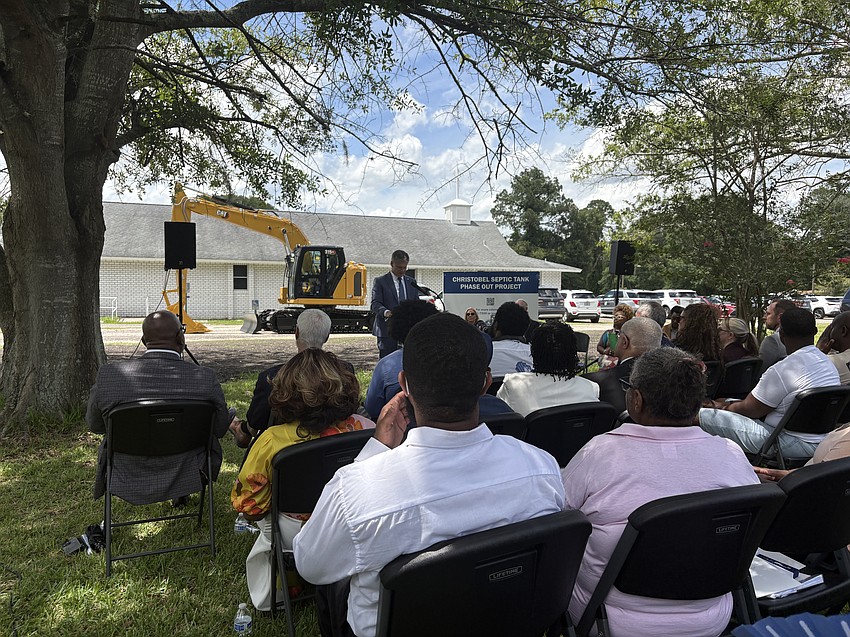
“It brings more residents, it brings economic activity, it also brings growth. That means rising property values, more community pride and overall just a stronger neighborhood,” Deegan said. “Real progress is not always flashy… Sometimes it’s magically cleaner water, healthier neighborhoods and opportunities for future generations.”
During the project, crews will disconnect properties from septic systems and hook them up to JEA’s grid. Septic tanks would then be drained and filled with sand before being abandoned in place.
The Christobel neighborhood is one of six septic tank phase-out projects undertaken by JEA. Construction for the Biltmore C and Beverly Hills neighborhoods has been completed, while work on the Riverview neighborhood is in design. All neighborhoods are in Northwest Jacksonville.
JEA’s phase-out project focuses on areas with aging septic tank systems, where sewage from leaking tanks can enter the St. Johns River and tributaries.
For JEA to replace aging systems, it needs 70% approval from affected property owners. JEA said it reached 78% approval from the Christobel neighborhood. Property owners who do not sign onto the program would be responsible for connection costs should their septic system fail.
The phase-out project, which cost an estimated $34 million, received funding from JEA, the city and the U.S. Environmental Protection Agency.
The city contributed $10 million from its capital improvement plan to septic tank phase-out, while the EPA contributed $6.75 million via a congressionally approved grant.
“This is really what Congress is designed to do – take care of our neighborhoods,” said U.S. Rep. John Rutherford, R-Florida, who pushed for the appropriation.
“With this project, we are going to connect almost 500 different households to a clean, safe and healthy system.”