
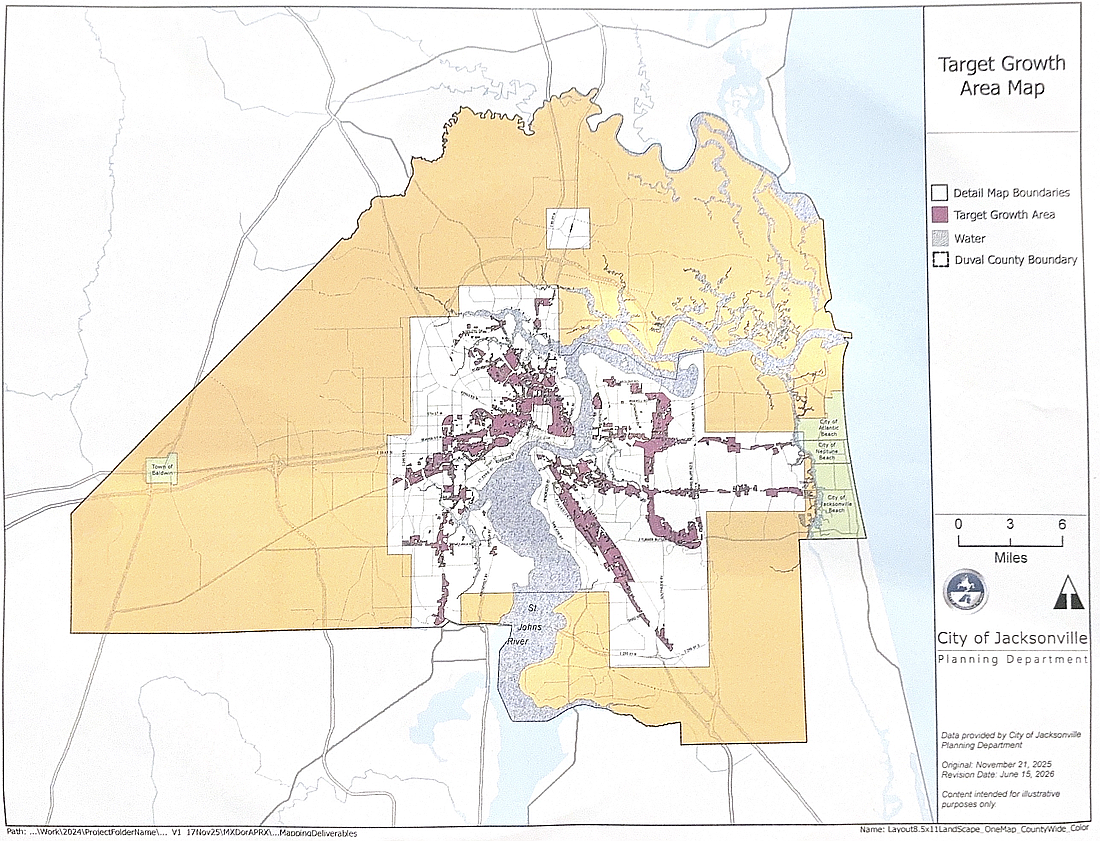
Jacksonville City Council approved a proposed change to the city’s 2045 Comprehensive Plan that would offer developers nonfinancial incentives to build resilient housing in dense areas.
Council voted 15-1 on June 23 in favor of Ordinance 2026-0311, which would create “target growth areas” where developers could build at higher density and smaller lot sizes, with added flexibility on building height, lot coverage and parking. The regulations are part of the comprehensive plan, which guides the city’s short- and long-term development goals.
Council members Ken Amaro, Raul Arias and Kevin Carrico were absent. Member Rory Diamond oted against the legislation.
In exchange for the incentives offered by the city, developers would pledge a share of units to be affordable housing or make properties more resilient to flooding and storms. Clark-Murray said she felt the bill did not do enough to affect affordability for residents.
“While this is looking at the quantity, it’s not addressing the affordability aspect,” she said.
Planning Department Director Helena Parola told the Planning Commission on May 7 that the change would give developers clear expectations and tie new housing to areas already served by public infrastructure.
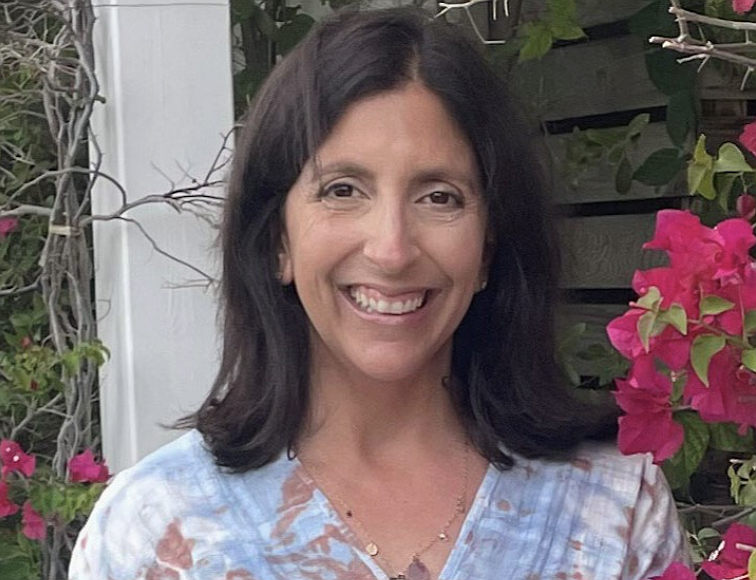
“We look to areas that are better suited to accommodate growth, lower flood risk and allow housing opportunities to be connected to transit,” Parola said.
Target growth areas would be created in areas with lower flood risk. Those areas would also be within a half-mile of high-traffic streets, highways or the Emerald Trail, the 30-mile system of pedestrian and bicycle paths under construction in and around Downtown.
In exchange for meeting requirements in the Comprehensive Plan, developers could increase their maximum density by 15 to 40 units per acre in select areas.
The push for higher-density housing comes as Duval County’s population is expected to grow. U.S. Census Bureau projections show that Duval’s population rose from 864,263 in 2010 to 995,567 in 2020. A University of Florida study projects Duval’s population will be 1.29 million by 2050.
According to the Comprehensive Plan, Jacksonville should plan for 92,282 new housing units between 2020 and 2045.
The proposal sets affordability and resilience criteria that developers must hit to reach their incentives. Developers would choose from one of two affordable housing options or three of five resiliency options.
The affordable housing options are:
• 20% of rental units for households earning 100% of the area median income or less. According to the U.S. Department of Housing and Urban Development, the area median income in Jacksonville is $108,700. The city of Jacksonville uses HUD statistics in determining affordable housing policy.
• 20% of for-sale units for households earning 140% AMI or less.
The resiliency requirements are:
• 50% of the hardscape should be permeable.
• 75% of planting areas should be used for bioretention.
• 50% of projected energy demand should be satisfied by on-site renewable energy production.
• 40% of surface parking lots and other hardscape areas should be shaded.
• The first 3 inches of any rainfall event should be retained or detained.
The Planning Department said that without passing the regulation, at least 430,000 Duval County residents would be exposed to flood risk by 2070, creating an increased taxpayer burden. Currently, more than 6% of the city’s homes are at high risk of flooding, and that risk could triple by 2070, the department said.
“You have 20% (of units) that’s going to be for affordable housing, whatever they decide to build, but then you got 80% that won’t be,” Clark-Murray said. “The idea once again has to do with money, can someone afford the housing, not so much whether or not there is a large supply, because believe it or not, we have lots of housing that’s available, the issue is that people can’t afford it.”
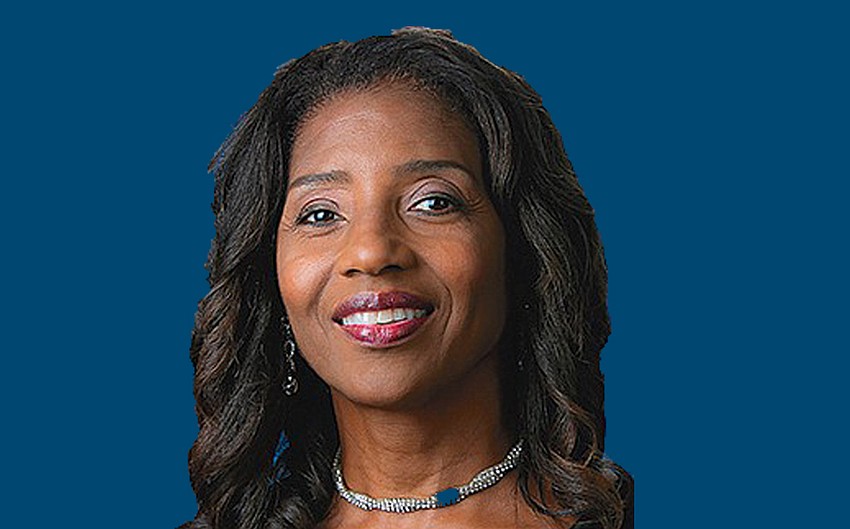
The legislation comes from the work of the city’s Land Development Regulations Update Committee, commissioned by Mayor Donna Deegan in 2023 and made up of planners, engineers, developers and neighborhood advocates.
“There is a strong belief with [the Northeast Florida Builders Association], the Chamber of Commerce people that were on this committee that if this is adopted, that in fact we will get additional housing of a variety of different kinds in the city,” Emily Pierce, a committee member and an attorney with Rogers Towers Attorneys, told the Land Use and Zoning Committee on June 16.
The legislation proposed by the committee does not apply to all areas and would not conflict with the character of single-family neighborhoods, the department said in its presentation to the commission.