
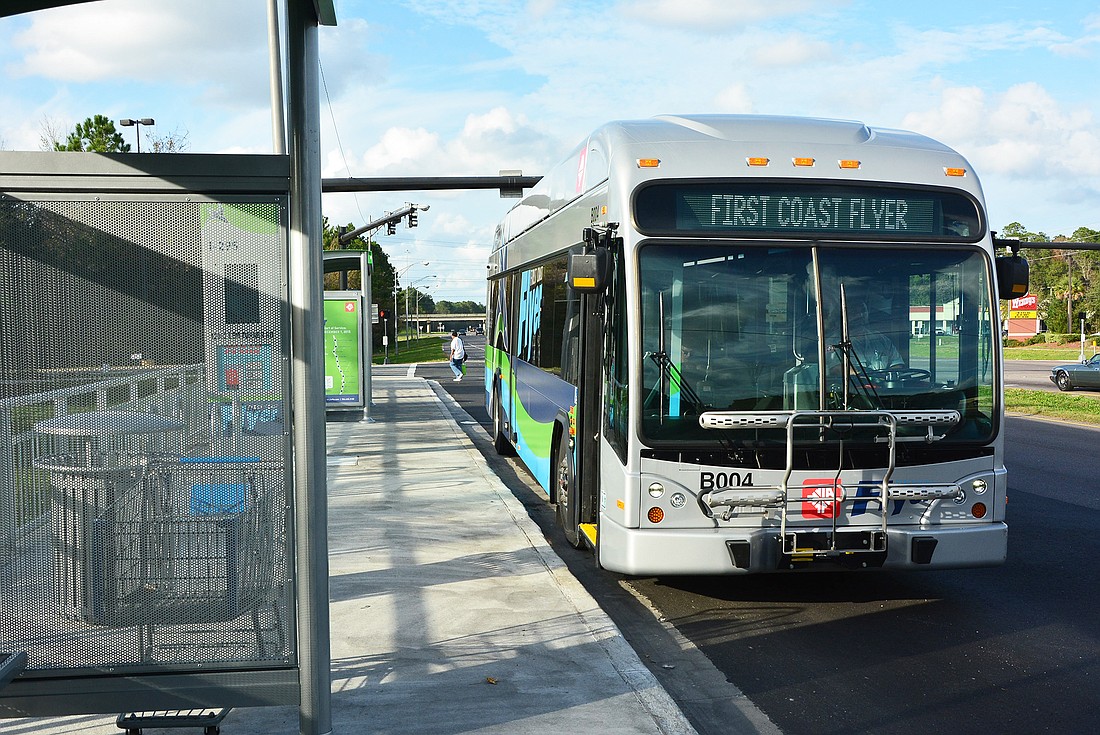
Through two months of a fare reduction pilot program, the Jacksonville Transportation Authority’s ridership remains essentially stable on a year-over-year basis.
In response to requests for statistics, JTA reported a 0.02% increase in ridership during February and March 2026 compared with the same two months in 2025.
JTA reported ridership of 721,903 in February and March 2025 and 722,044 in those same two months this year, an increase of 141 riders.
Ridership in February 2026 was 10% short of the February 2025 level, but rebounded in March 2026 to finish slightly more than 10% higher than during the same month in 2025.
JTA noted that cold temperatures in February 2026 affected ridership that month.
Aiming to increase ridership, JTA launched the six-month pilot program Feb. 1. The program includes cost reductions of 6% to 55% on many of JTA’s fare options.
On April 1, the Daily Record requested ridership statistics for the fares that were reduced in the pilot program. JTA responded with statistics showing a drop in ridership, which the Daily Record reported April 13.
After the report was published, a JTA spokesperson informed the Daily Record that the records provided through the request did not include complete ridership data but rather excluded fares purchased through some forms of payment accepted by JTA, such as cash and on its mobile app.
On April 15, JTA sent records for ridership across all fee and payment types, which showed the 0.02% year-over-year increase in February and March 2026.
Fare options that were reduced in the pilot include single-trip; express fares; passes for one, three, seven and 31 days; and Connexion service for the disabled. JTA accepts payment by cash, credit card, the mobile app and other means.
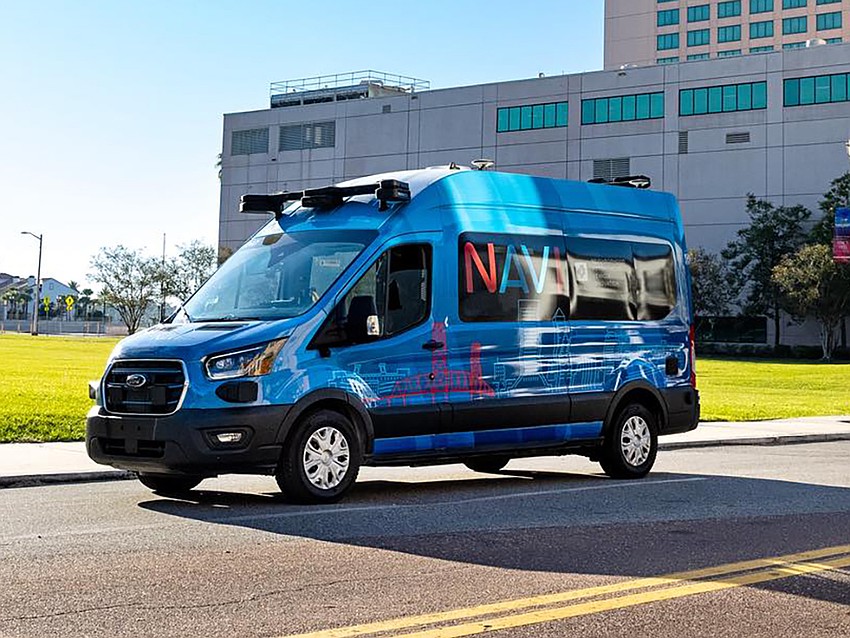
The JTA’s Neighborhood Autonomous Vehicle Innovation service was not included in the statistics for the pilot program. JTA eliminated fees for that service Dec. 15 after having charged $1.75 per ride beginning Oct. 1, 2025.
The NAVI system of automated vans operates on a 3.5-mile route in Downtown Jacksonville, mainly along Bay Street.
NAVI ridership has fluctuated since fares were eliminated. NAVI saw monthly usage of 447, 1,065, 1,385 and 1,075 riders in December, January, February and March, respectively.
March saw NAVI use average about 48.86 riders daily. JTA has pledged that by 2035, NAVI would average 280 riders daily.
Asked how much revenue JTA had lost due to the reduced fares in the pilot program, the organization did not provide specifics.
“The Fare Modification Pilot Program was developed as a 6-month opportunity for the JTA to examine the effect of fare reduction on ridership, collect and examine ridership data and trends, give some cost savings back to our customers, and gather feedback from the community,” a JTA spokesperson wrote.
“We are only two months into the six-month pilot, so data is early but to date the program has resulted in increased ridership, but not enough to increase revenue at this time.”
Speaking April 7 before the City Council Special Committee on Duval DOGE, JTA CEO Nat Ford told Council members JTA was seeing overall revenue underperform expectations by $14.2 million in fiscal year 2026. JTA’s fiscal year, like the city’s, runs Oct. 1-Sept. 30.
Compared with expectations, he said, passenger fares were $1.03 million short. Sales tax revenue and interest earnings were $10.85 million and $2.31 million below expectations, respectively.
To account for the lost revenue, JTA cut spending to salaries, wages and fringe benefits by $6.77 million and cut other expenses by $7.43 million.
JTA’s fare reduction pilot came after JTA recorded an $18.99 million budget shortfall in its fiscal year 2025 budget, a Jacksonville City Council auditor’s report showed in January.
JTA’s reported budget deficit represented a swing of about $23 million, as JTA had reported a $3.94 million budget surplus for the first nine months of its 2024-25 fiscal year. The authority reported the $18.99 million deficit at the end of the fiscal year.