
 News4Jax
The chair of the Jacksonville special committee that is investigating JEA said he was frustrated after the city-owned utility’s CEO and another top executive sent notification that they would be unavailable for questioning until June.
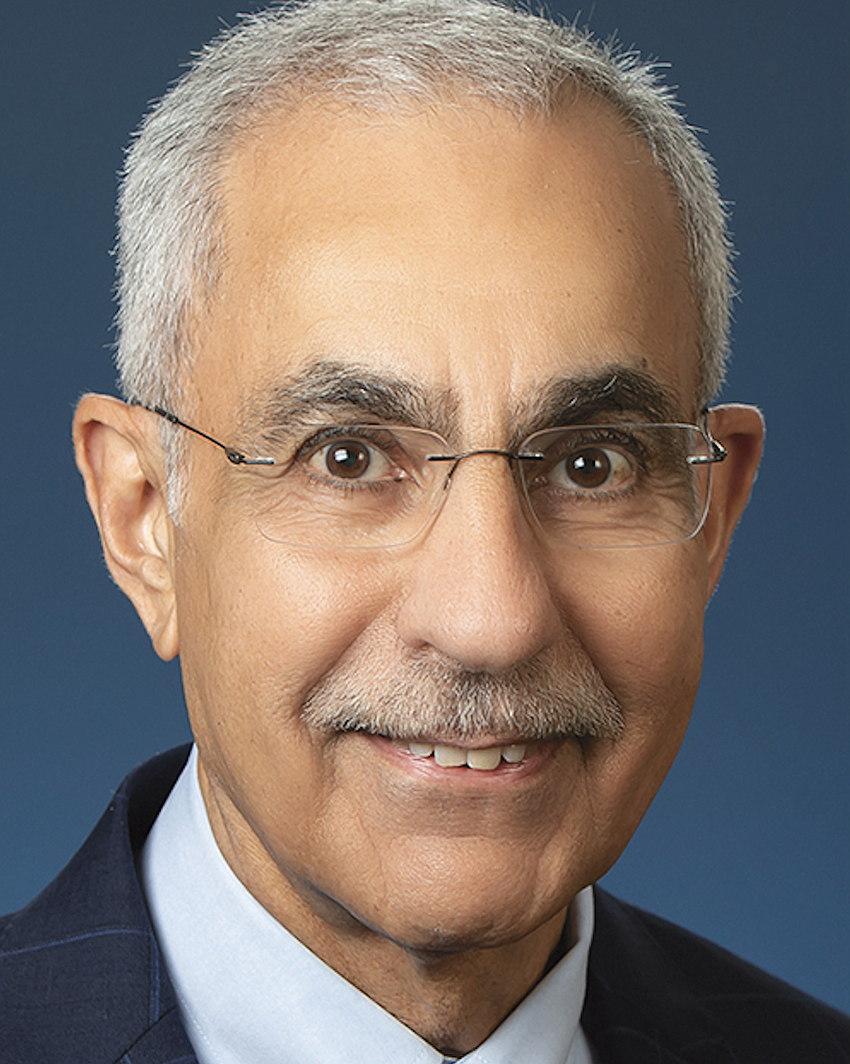
Council member Ron Salem, who leads the three-member committee, spoke to the Daily Record after a records request showed that JEA CEO Vickie Cavey notified the committee that the earliest she could appear would be June 22. The records showed the committee originally requested to question Cavey at its April 27 meeting.
In addition, JEA Chief Administrative Officer Jody Brooks notified the committee on May 7 that she would not be available for the May 11 hearing, as previously had been arranged. She said her earliest availability would be June 8.
Asked for his reaction to the developments, Salem said, “Frustration.” He said he had hoped to end the committee’s work by July, but that timeline was at risk.
“Everybody, including the board of JEA, would like to see this investigation end sooner than later,” he said.

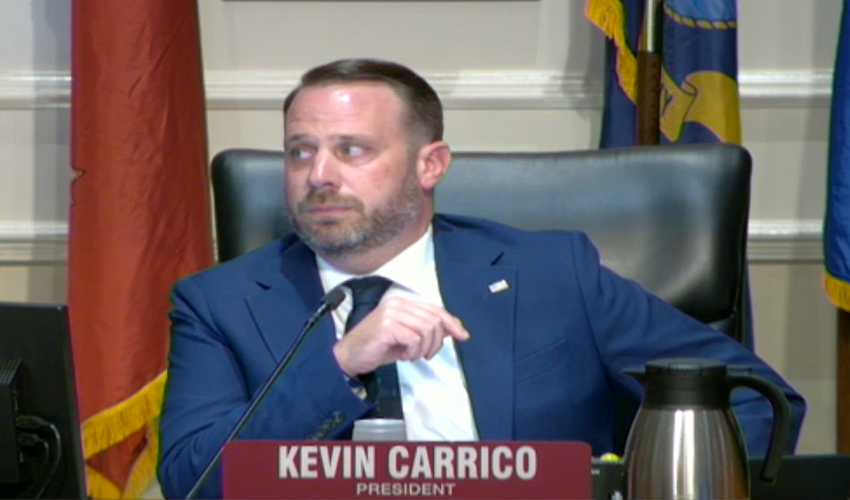
City Council President Kevin Carrico formed the special investigatory committee on March 11, claiming he had heard reports from JEA staff about racism and toxic behavior by Cavey.
His accusations came after Carrico drew scrutiny for nominating Paul Martinez, his boss at Boys & Girls Clubs of Northeast Florida, to replace JEA board member Arthur Adams in what Carrico described in a text message as a “big favor” to a friend.
The JEA investigation also seeks to determine whether JEA failed to adequately collect capacity fees from customers. Those fees and associated charges are one-time fees assessed for connecting to the utility’s water, wastewater and reclamation system.
JEA, a not-for-profit organization, says it imposes the fees to cover the costs of infrastructure expansion, replacement and refurbishment.
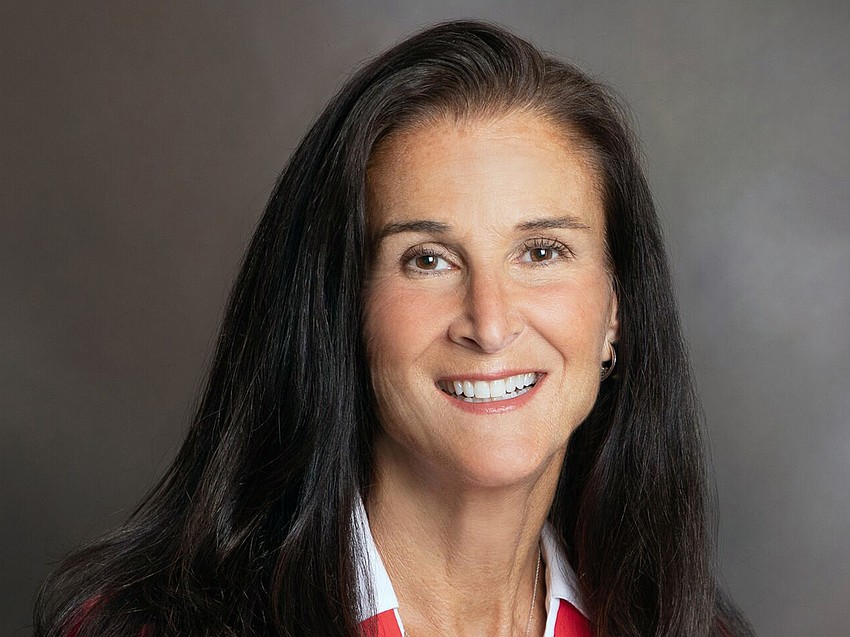
Salem said Council special committees traditionally end when the president who formed them reaches the end of his or her time as the Council’s leader. That changeover is set to occur at the end of June, with Council Vice President Nick Howland the presumptive next president.
Asked whether he would extend the committee, Howland replied with a statement by text message: “As long as there are unresolved financial questions affecting taxpayers or ratepayers, we will investigate. The Jacksonville City Council has a responsibility to provide financial oversight across the entirety of Jacksonville’s consolidated government.”
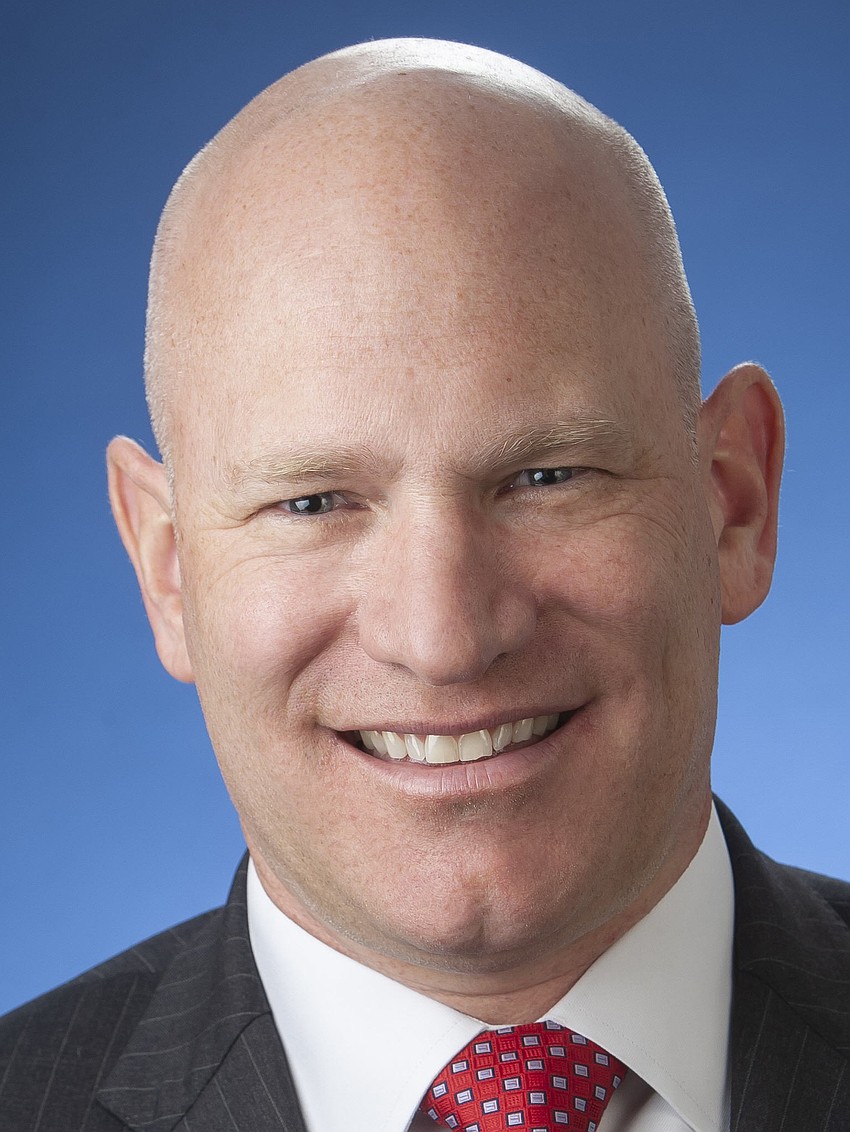
In response to a follow-up question about whether he would limit the committee’s work to financial matters as opposed to workplace culture issues, Howland said he has “a few weeks to decide I’ll be following the various investigations closely.”
He said his focus as president would be to ensure “Jacksonville taxpayers and ratepayers receive the greatest possible value for every dollar they spend.”
On May 4, the Jacksonville Civic Council sent a message to City Council urging it to shut down the JEA special committee and instead wait for the results of other investigations into the utility. JEA is conducting an internal survey, and the State Attorney General’s Office and State Attorney’s Office have requested records.
The Civic Council, founded in 2010, says it comprises more than 90 CEOs in Northeast Florida and exists to promote change by “researching the city’s most pressing challenges, advocating for forward-thinking public policy, and powering strategic execution.”
Some Council members also have called for an end to the special Council investigatory committee, calling it an overreach. JEA is an independent authority whose board members are appointed by the mayor’s office and Council.
Council records from mid-April show that after Council requested Brooks to appear April 27, JEA asked if she could be rescheduled to May 11 to allow JEA’s chief human resources officer, Diane Moser, to take the April 27 date.
Another record showed Council planned to question Cavey on May 26.
After Council agreed to allow Brooks to appear May 11, she sent an email May 6 to Council Secretary Jason Teal saying neither she nor Cavey would be able to appear until June.
Teal replied that he was disappointed, “especially after you were part of the discussion where we originally agreed to accommodate Diane Moser’s request to switch” to the April 27 hearing.
In a May 7 email, Brooks said JEA had received a criminal investigation subpoena after the switch with Moser.
“Due to work demands, I have not had adequate time to prepare to give your committee the best information possible,” she said.
Also on May 7, Cavey told Teal she would cancel business travel plans in order to be available June 22-24 or June 26.
“Prior to that I have a packed schedule,” her email reads. “It is a very busy time, not to mention hurricane season and the prep for that.”
Editor's note: This story was updated with information supplied in a follow-up response by the City Council to the Daily Record's request for records. The follow-up response showed that Council hoped to interview Cavey as early as April 27.