
A Jacksonville City Council committee voiced its support for providing up to $35 million in city incentives to bring the Culinary Institute of America to Downtown Jacksonville.
The Council Finance Committee voted 6-1, with Council member Rory Diamond in opposition, to recommend approval of Ordinance 2026-0419, which would express Council approval for the CIA campus and authorize city staff to negotiate a finalized incentives agreement with the New York-based institute.
Council President Kevin Carrico introduced the ordinance and requested it be passed on an emergency basis so that Council could be on record backing it before a CIA board meeting in June to consider locations for a southeast campus.
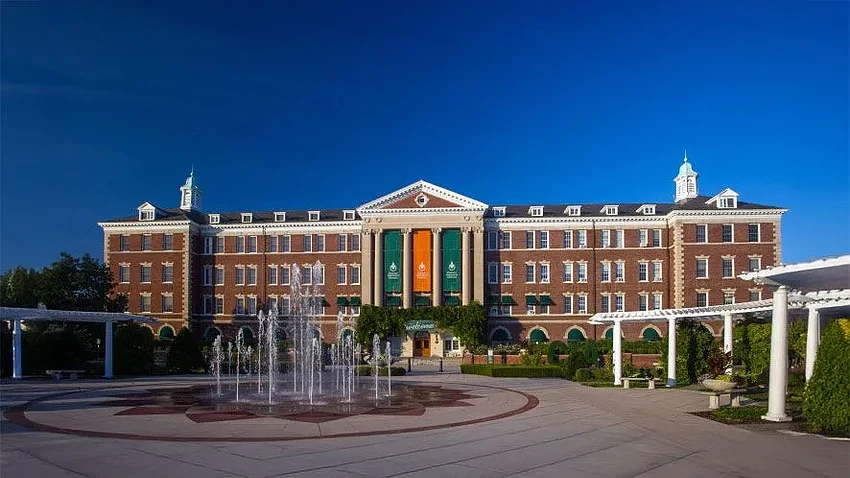
The legislation confirmed speculation that the city was exploring incentives for the CIA, which had been code-named Project Caymus in city documents.
“To have maybe a handful of CIAs in the United States, having one in our backyard is a huge deal for us, no matter what industry you’re in,” Council member Raul Arias, a restaurateur, said. “(This is) just another key component of our city, how fast and how far it’s progressing.”
Noting that the institute could provide Jacksonville military veterans a second career, Carrico said it could become a Jacksonville attraction and boost workforce development in the region.
“We’re building all this great stuff Downtown. We’re going to put a campus right in the middle of it that will spawn off some great restaurants, great opportunities and jobs and tourism,” Carrico said at the Finance Committee.
Member Will Lahnen cautioned that a $35 million incentive for the CIA could sap funding for other Downtown redevelopment.
“I think we need to have a serious discussion if this gets approved, how we pay for it,” he said.
“There’s going to be an opportunity cost for this. (If) we approve this resolution, my understanding is we find out in June whether the CIA agrees to come here. We (then) have to put everything on hold. We certainly can’t entertain any other sort of cash incentives between (now and) that time.”
Corner Lot hotel tower
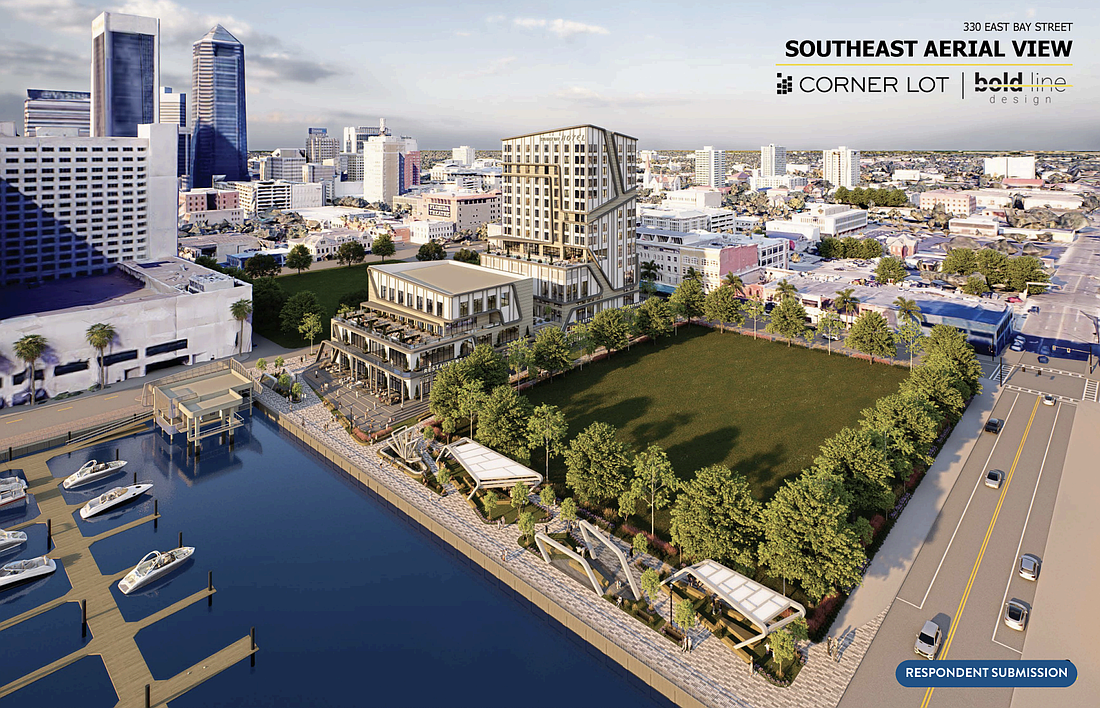
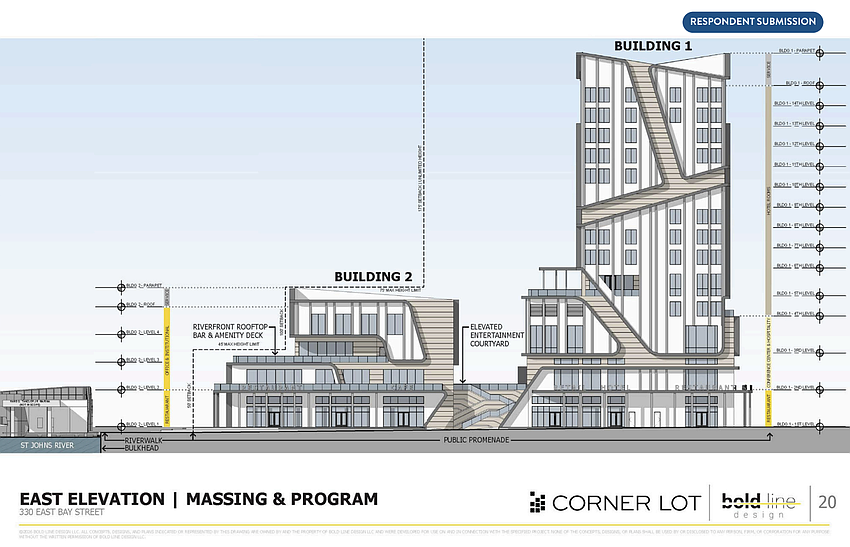
On April 1, the Downtown Investment Authority released plans for a mixed use development including Project Caymus. The proposed development includes a 14-story tower with a hotel and conference center at 330 E. Bay St. on the site of the demolished Duval County Courthouse.
Corner Lot and Aspect Real Estate Group, partners in the project, submitted the only response to a DIA notice of disposition for a 0.8-acre portion of the 2.6-acre property. Disposition is a process by which city-owned property is transferred to the private sector for redevelopment.
The DIA documents said the property would also include space for Project Caymus, which was identified as an academic institution that would operate culinary demonstration and teaching kitchen facilities and offer professional development and continuing education programs.
Terms and commitments
A supporting document in the Council legislation lists the recipient of the proposed city incentives as Project Caymus. The document, which contains proposed terms for an economic development agreement, bears Corner Lot’s name and logo.
The ordinance says the city incentives would go toward the CIA establishing a 50,000-square-foot campus Downtown. It says the city’s Tourist Development Council has pledged $1 million for the project.
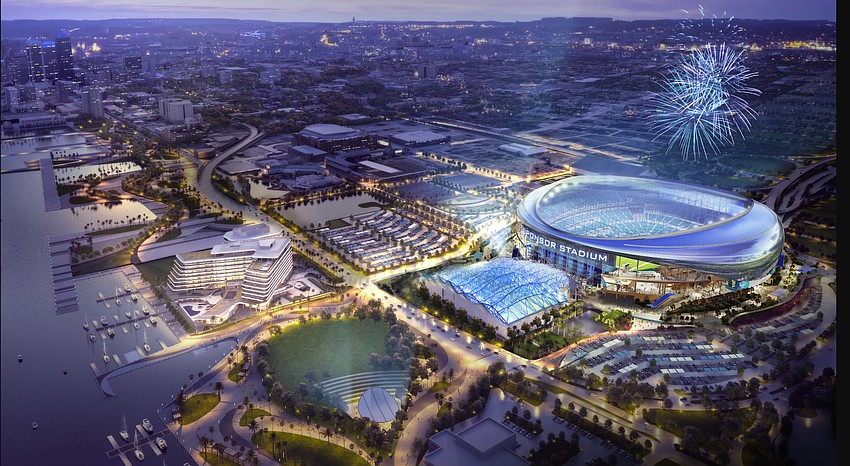
Under proposed terms in the supporting document, the city would provide $8 million in workforce development funding and $27 million from the Downtown Riverfront Residential Incentives Contingency Fund, which was established by Ordinance 2025-0385 and contains $30 million. The document says the city of Jacksonville’s proposed commitments include possible use of funds from the city’s $150 million portion of its $300 million Community Benefits Agreement with the Jacksonville Jaguars. That agreement is tied to the $1.45 billion deal to transform EverBank Stadium into the team’s “Stadium of the Future.”
Funding per year would be $4 million in 2026-27, $6.25 million in each of the next two years, $8.25 million in each of the next two and $2 million in the sixth year.
Among other proposed commitments, the city would work with the developer to help obtain state funding.
The developer’s proposed commitments include providing at least 12 educational programs in 2026, establishing and maintaining a presence in Downtown Jacksonville until the new campus is complete. It also would pursue state and federal funding, including New Market Tax Credits.
Another commitment is to develop marina, public spaces and any additional parking needed for the site.
An elite program
The Culinary Institute of America was established in 1946 in Hyde Park, New York. In addition to its home site, the institute operates two campuses in California’s Wine Country, one in San Antonio and one in Singapore.
Jacksonville chef Dennis Chan, who graduated from the CIA in 2000, said in an April interview that the Jacksonville operation would most closely resemble the San Antonio campus. The 30,000-square-foot school is in the renovated Pearl Brewing Co. facility near the San Antonio Riverwalk.
Chan, who founded Blue Bamboo Canton Bistro in 2005 and continues to operate it today at 10110 San Jose Blvd. in Mandarin, said institute President Michiel Bakker met with city leaders and local alumni over the past several months to explore opening a site in Jacksonville.
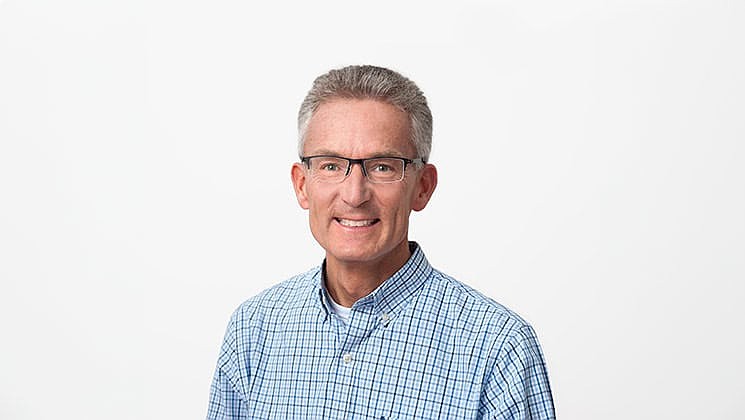
Bakker told city leaders the project would need state, local and community support for an endowed scholarship, Chan said.
Chan said the institute would raise Jacksonville’s profile as a food city and would attract visitors to Downtown.
“It would bring culinary tourism to Jacksonville, and we simply don’t have that,” he said. “Also, some of the campuses will do continuing education classes, which will bring people to Jacksonville from the region.”
The institute has produced more than 55,000 graduates, according to its website. In an October 2025 report, Forbes said the CIA is “known as the Harvard of the culinary world” and it “draws students from all over the globe for its best-of-the-best reputation.”
The late celebrity chef Anthony Bourdain is among its alumni.
Plans for the Northbank hotel development comprise the tower building and a separate building including food and beverage uses on the ground floor topped by three floors of Class A office space.
In the 14-story tower, the second and third levels would include 17,000 square feet of conference space, including a divisible grand ballroom designed to accommodate events of up to 600 attendees.
Levels four through 14 would include 160 hotel rooms. Plans show pool decks on the fourth and fifth floors, plus a covered outdoor lounge, clubroom and fitness center on the fifth floor.