
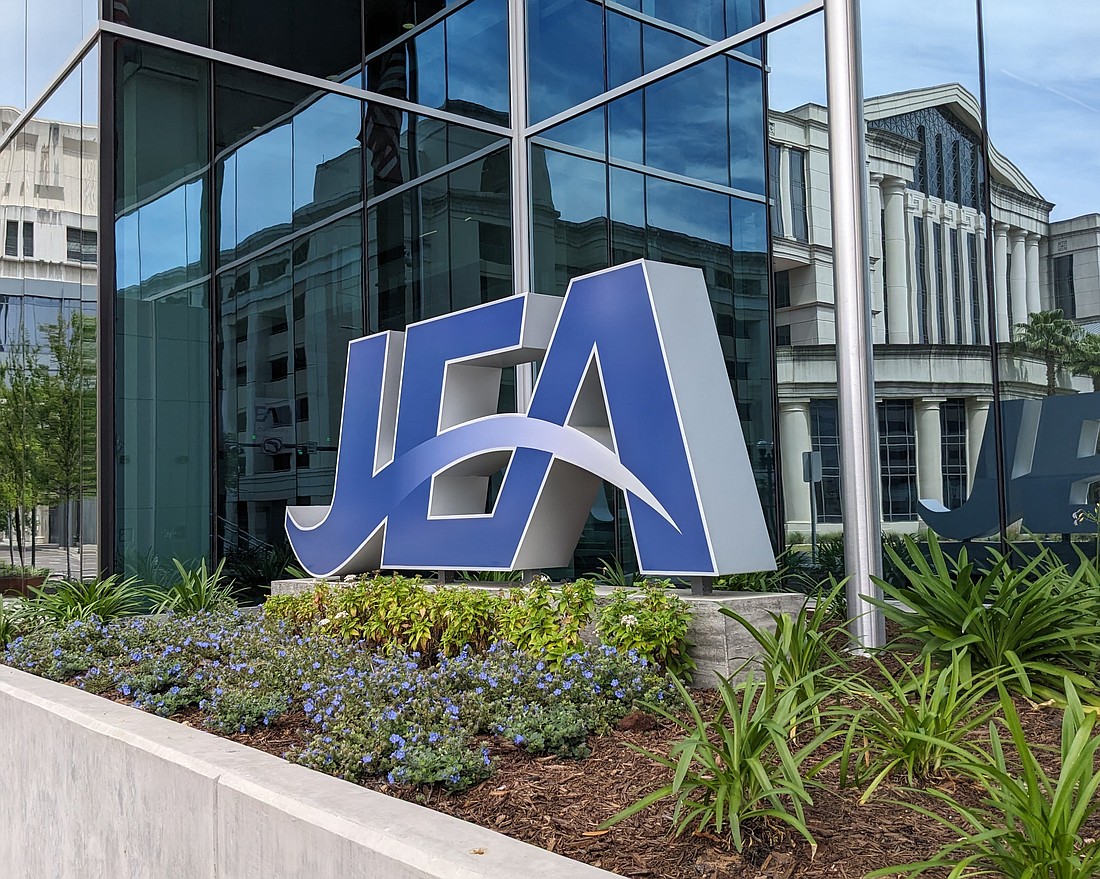
Facing scrutiny from Jacksonville City Council, JEA staff told board members they were working to understand the extent to which the city-owned utility failed to collect capacity fees from customers.
Jody Brooks, JEA’s chief administrative officer, said the authority did not have “a very good history of the documentation” as to what some JEA customers might owe the utility for uncollected capacity fees.

Board members discussed the issue during an April 14 board workshop regarding rate changes and capacity fees.
Capacity fees and associated charges are one-time fees assessed to JEA customers when connecting to the utility’s water, wastewater and reclamation system. JEA, a not-for-profit organization, says it imposes the fees to cover the costs of infrastructure expansion, replacement and refurbishment.
Staff said JEA had difficulty determining if some customers, after paying initial fees, owed additional uncollected capacity fees to cover the cost of additional infrastructure or changes in usage.
Customers are required to pay additional capacity fees if their water and sewer use increases more than 20% from the use when the fees first were charged.
For about the first 100 years of JEA’s existence, the utility, called the Jacksonville Electric Authority, operated only the city’s electric infrastructure. That changed in 1997, when the city transferred ownership of the water and sewer systems to the organization.
“When we took over the water department of the city in 1997, some of that information (about capacity fees) did not transfer,” Brooks said.
JEA CEO Vickie Cavey said it would be difficult to ascertain how much some customers would owe the utility given the lack of data.
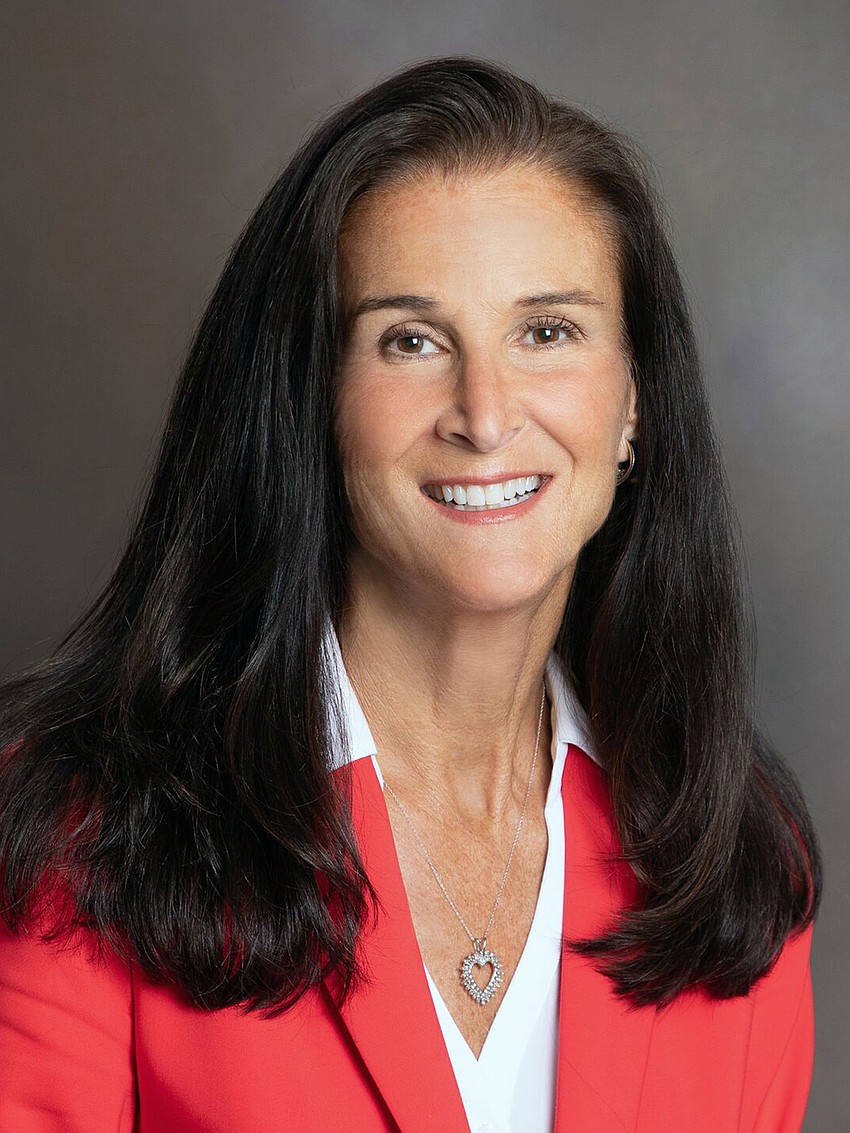
“To monitor this according to our current tariffs is almost incomprehensible … because you’ve got to go audit these businesses,” Cavey said. “We don’t have the people capacity to do that.”
Cavey said staff would present a plan to the board to address past and future capacity fees, though she did not provide a timeline.
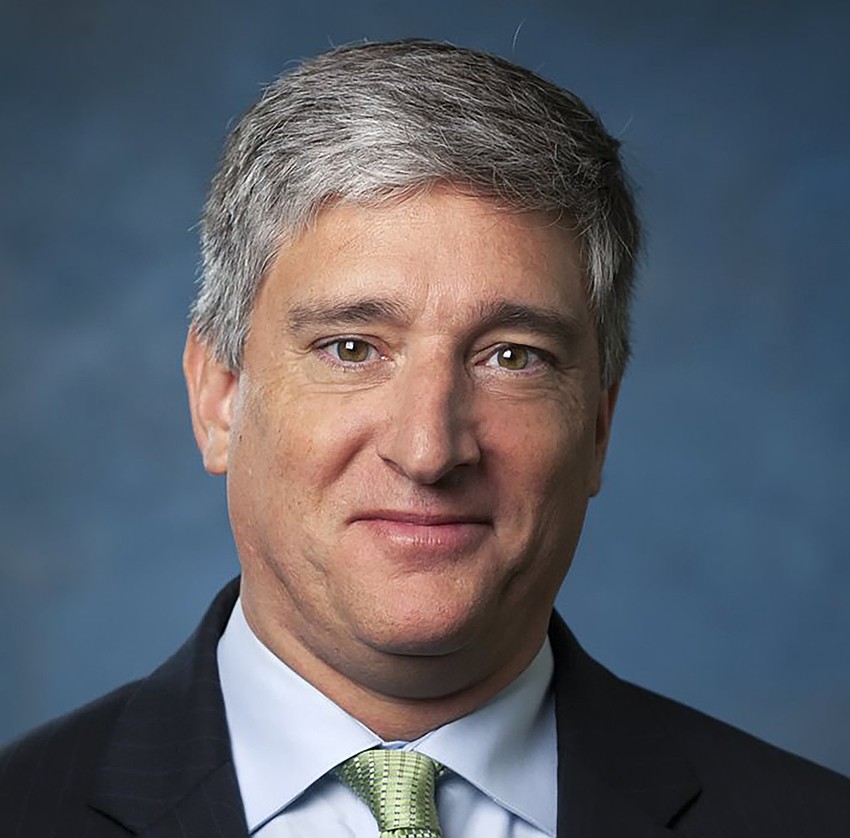
Board member John Baker II expressed concern that charging customers for uncollected fees would be unfair.
“If we did a sloppy job keeping the records you can’t justify, I think we do a great disservice to the businesses in the city if we go hammering them with huge rate increases,” Baker said.
Capacity fees are part of an investigation by a City Council committee assigned to work with the Council auditor on issues involving JEA.
The objectives include trying to determine the amount of money, if any, that may be owed to the city and JEA.
The committee seeks to question city attorney Regina Ross, JEA’s former chief legal counsel, on the matter and has requested that JEA waive attorney-client privilege for her to speak publicly. Council Secretary Jason Teal, an attorney who represents the Special Committee, said the committee did not intend to ask Ross any privileged information.
In 2024, Ross penned a memo to Mayo Clinic that JEA was required to collect unpaid capacity fees from the medical center. Committee members have said they believe Ross can provide Council and its auditors with information necessary to understand the depth of the capacity fee issue.
At the April 14 JEA board meeting, members balked at Council’s request.
“I have never been advised to waive the attorney-client privilege. It’s dangerous,” Baker said. “I think we’re on the exact same side of the issue as City Council, and we ought to work with the Office of Inspector General to inform them as much as we possibly can. But (to) waive the attorney-client privilege, I wouldn’t recommend that under any circumstance.”
All seven board members said they took issue with waiving attorney-client privilege.
Chair MG Orender said a formal motion to waive attorney-client privilege would not be on the May 19 board meeting agenda.
Council member Ron Salem said he was satisfied with city Chief Counsel Michael Fackler’s statement that Ross, one of Fackler’s employees, would be allowed by the Office of General Counsel to testify before the committee, provided she did not reveal any privileged information about JEA’s operations. Salem is the Council liaison to JEA.
Salem said he may call Ross to testify during one of the two following committee meetings.
“I believe that’s a win to get the appropriate information,” Salem said.