
After receiving results from two investigations into CEO Vickie Cavey’s conduct, members of JEA’s board of directors backed her to stay on as CEO but recommended that she and other members of the utility’s executive leadership take classes on better managing their employees.
During an Aug. 14 board discussion, five board members publicly reviewed the results of a survey commissioned by Jacksonville City Council and an investigation ordered by JEA into Cavey’s leadership style. Those investigations followed allegations that Cavey had created a toxic work environment that included elements of racism.
Cavey, who is on a leave of absence, was not present at the board meeting. Chair MG Orender said she was away due to health reasons, and that he would likely have further information on whether she could return to the company in the coming weeks.
JEA announced July 29 Cavey would be out for 14 to 60 days.
During the Aug. 14 special meeting, board members concurred they did not feel compelled to remove Cavey as CEO based on the results of the Council survey and JEA investigation. However, they indicated that should Cavey return, they would encourage her and other top leaders to take executive leadership classes based on the feedback from both investigations.
“I’m hoping that everything gets straight with our current CEO. She’s done a good job, but (we should) bring her back and have some recommendations for coaching,” Orender said during the board discussion.
“I interpret the survey indicates (sic) that the CEO is leading an organization with high employee engagement and favorable perceptions of ethics, respect, and organizational leadership. At the same time, it identifies some concerns regarding psychological safety, communication, and employees’ willingness to speak openly,” former board Chair Joe DiSalvo wrote in a statement provided to the media.
“These concerns merit continued attention, but the survey does not support in any fashion the conclusion that the CEO is ineffective or unfit to lead JEA; in fact, the exact opposite.”
DiSalvo, who was chair when allegations against Cavey emerged, was not present at the board meeting “due to (an) overseas travel commitment,” he wrote. Board member John Baker II also was absent and provided a similar statement to the board.
The meeting was the latest development in six months of political and media attention regarding Cavey’s leadership. Speaking to media, Orender said he appreciated having more information about how the city-owned utility was run but wished information about JEA came about in a different fashion.
“It’s been a massive distraction, a lot of pressure on people. However, we’re moving forward,” Orender said. “There are some people who have issues, and we’re going to try and address those and be the best we can.”
Investigation details
Board members were presented with the results of an investigation by attorney Cherie Silberman on Aug. 13. The investigation was coordinated with Jackson Lewis, an employment law firm that JEA kept on retainer.
Members also were presented the results of a survey of JEA headquarters employees by Indiana-based human relations consultant SelectionLink Inc. That survey was commissioned by City Council at the request of the Council Special Investigatory Committee on JEA, which was assigned to look into the allegations surrounding Cavey.
Silberman’s investigation showed JEA’s workforce as holding mixed opinions on Cavey and her performance. Silberman’s findings were presented in an eight-page handout.
“Cavey has a direct and high-control communication and management style, and her pattern of reactive, disruptive, and dismissive behavior has caused some employees to be reluctant to speak up or share information freely,” Silberman wrote in her conclusion. “Although most employees do not regard her conduct as a significant concern, a small number of employees who work closely with Cavey find that her behavior has notably affected their work experience in a negative manner.”
On issues of racism and discrimination, Silberman concluded that “the evidence does not substantiate that Cavey rates employees differently because of race or that any of her conduct was racially motivated.”
Silberman wrote that during her investigation, she conducted videoconference interviews with 65 JEA employees and interviewed multiple employees more than once. She interviewed former JEA Chief of Staff Kurt Wilson, who has criticized Cavey publicly, along with two JEA board members, current employees and Cavey. Silberman provided no further detail into which employees and which board members she interviewed.
She also said she approached City Council members who claimed to have evidence relating to Cavey’s misconduct, but those members declined to participate in interviews.
Silberman based her assessment of Cavey on claims made by Wilson and board member Rick Morales III.
During a February board meeting, Wilson told board members that Cavey’s leadership style was “anything but positive” and that JEA employees worked “in fear of retribution and hostility.”
At the same meeting, Morales told board members that because he was in line to become the board’s chair, he held meetings with JEA senior staff over the past six weeks. In those conversations, Morales said, he heard “consistent and deeply concerning” feedback from staff regarding Cavey.
“Multiple senior leaders independently described a toxic work environment by micromanagement, declining morale and some individuals considering resignation. I found this to be unacceptable and harmful to the organization,” Morales said.
Morales told board members that he had asked Cavey to resign, which she initially agreed to. Cavey later reneged on that decision, Morales then said.
Silberman established that statements made by Wilson about Cavey’s behavior in certain meetings were true and that her investigation supported Wilson’s claims of the work environment.
“The evidence also establishes that Cavey has exhibited negative and tense reactions upon arriving at meeting and event setups, upsetting some of the staff responsible for those arrangements. The investigation further substantiates that Cavey can be highly reactive and interrupt individuals when they are speaking, resulting in some individuals feeling disregarded,” Silberman wrote.
“Although the investigation substantiates that the conduct described above occurred, a majority of employees deny that Cavey’s conduct impacts their well-being, performance, or morale. Most of the employees interviewed describe Cavey as a demanding but professional CEO,” Silberman later continued. However, a “small number of employees who work closely with Cavey” had found that her behavior impacted their work experience.
Silberman, however, pushed back on Wilson’s statements that he had been fired by Cavey. While Cavey “likely would have decided to terminate Wilson,” Wilson did not give her the chance and resigned before that termination could occur, Silberman concluded.
Silberman’s conclusions regarding Cavey were similar to those offered by the SelectionLink survey, which showed a divide between how employees viewed Cavey. Some said she created a hostile work environment that included discrimination based on gender and race, while others said they saw her as an inclusive executive working to build up the organization in the midst of consistent politically-motivated controversy.
The results of the SelectionLink survey appeared Aug. 5 in the Daily Record.
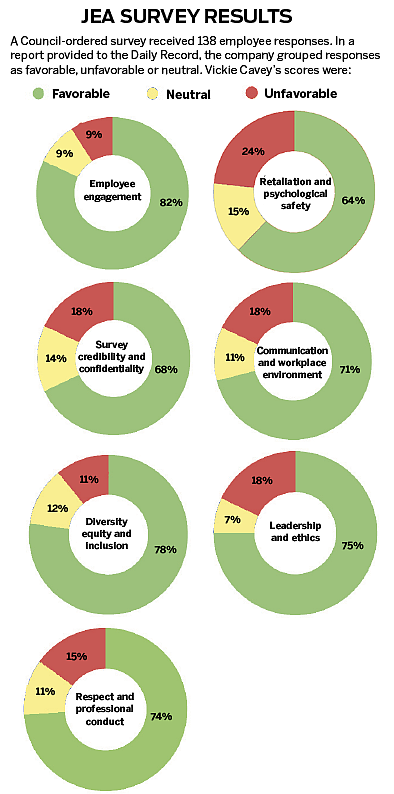
In that survey, Cavey scored best on questions asking if she treated employees ethically and with respect. Her worst scores were on questions asking if employees feared retaliation for speaking about Cavey’s actions.
The survey drew responses from 138 employees, 46 of whom indicated they interact with or observe Cavey at least once per week in a work-related setting.
In its 36-page report, SelectionLink gave Cavey a score that “indicates a favorable level of employee advocacy among those with regular, ongoing exposure to the CEO. On key trust and fairness items, 55% of employees feel that employees who disagree with the CEO are treated fairly, and 67% feel that communication with the CEO is open and two-way.”
“At the same time, 14% of employees have observed the CEO speaking negatively about employees behind their backs, 14% have observed behavior they would describe as intimidating or hostile, and 32% confirm fear of negative consequences for speaking up about CEO-related concerns,” SelectionLink wrote in its synopsis.
February allegations
Allegations against Cavey emerged in February after then-Council President Kevin Carrico told The Florida Times-Union that she had fostered a racist, toxic workplace culture at JEA.
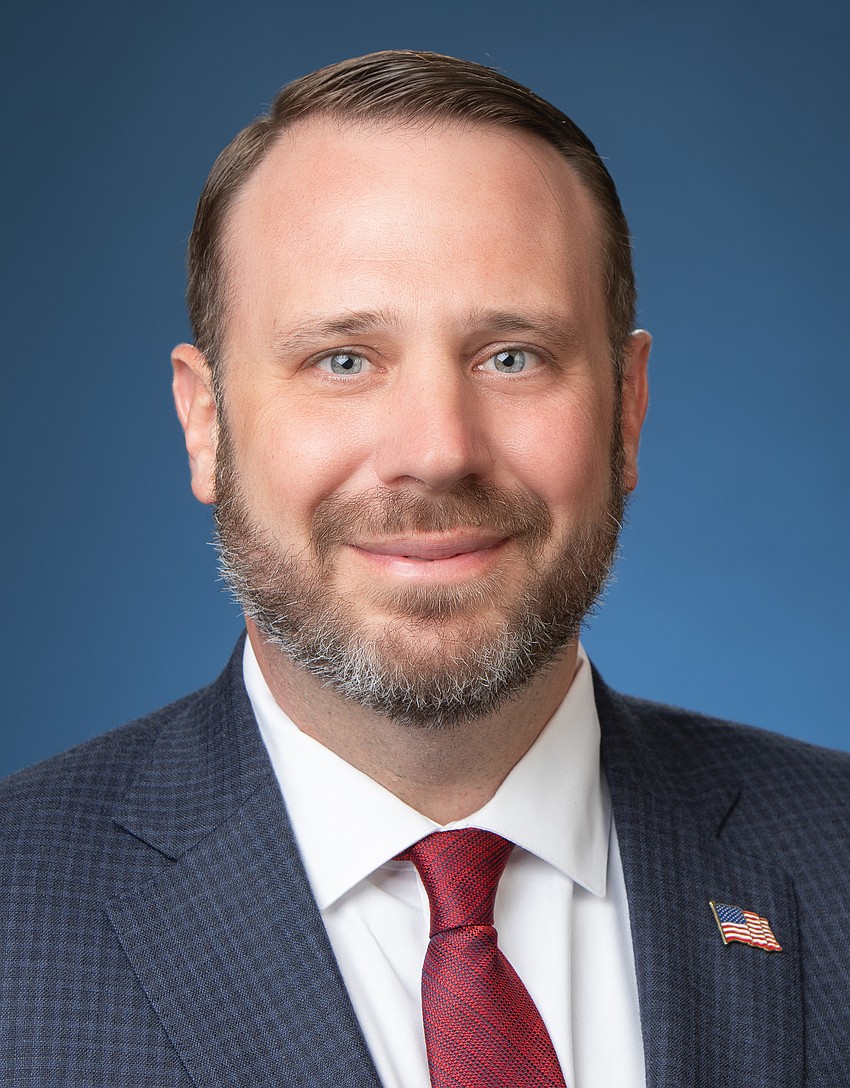
In a February statement provided to the Daily Record, Carrico said he would push for a change of leadership at JEA.
“Since becoming Council President and as a leader of this community I have unfortunately taken numerous meetings and calls from JEA employees with allegations of racism, toxic corporate culture, and other leadership challenges associated with the CEO,” Carrico wrote.
“I am currently having conversations with community leadership interested in addressing these challenges and moving our utility forward.”
On Aug. 14, Carrico declined to comment on the results of Silberman’s investigation. His term as Council president ended in June.
Since Carrico and Wilson made allegations against Cavey, the Council committee created by Carrico investigated JEA’s culture, with the committee expiring when Carrico’s term did.
In mid-February, Carrico drew scrutiny for nominating Paul Martinez, his boss at Boys and Girls Clubs of Northeast Florida, to replace Arthur Adams on JEA’s board of directors after Action News Jax revealed texts between Carrico and Adams showing Carrico made Martinez’s nomination as a “big favor” to a friend.
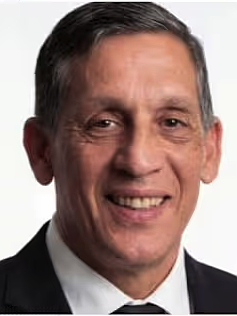
After Action News Jax reported on Carrico’s text messages, Martinez withdrew from consideration and Carrico nominated Randy Wyse, head of the Jacksonville Association of Firefighters, to the JEA board. Wyse’s nomination, along with the renomination of board member Joseph DiSalvo, have been deferred indefinitely by Rules Committee Chair Mike Gay.
Carrico dismissed allegations of misconduct in his nomination of Martinez, saying in a statement that “political noise and unfair attacks sought to distract from (Martinez’s) lifetime of service.”
The intended recipient of Carrico’s “big favor” has not been identified, nor is it known what the favor was.
Carrico’s texts have prompted subpoenas from State Attorney Melissa Nelson, including a subpoena demanding messages between Carrico, Wilson, Martinez, Cavey and board members regarding board appointments.
Cavey has denied accusations of racism and inappropriate workplace behavior.
In a February press conference, Mayor Donna Deegan heavily alluded to former mayor Lenny Curry and allies of his lobbying firm, Ballard Partners, as leading a “smear campaign” against Cavey. That campaign, Deegan said, came after JEA opted not to extend a contract with Ballard in January 2026.

Deegan told reporters to “connect the dots” after she was asked about Curry and Ballard colleague Jordan Elsbury’s involvement. Curry and Elsbury, who served as Curry’s chief of staff, both denied being involved.
After a reporter asked Cavey if she was pressured to extend the contract, Deegan urged Cavey to “tell the truth and shame the devil.”
“I would not call it a pressure campaign,” Cavey said.
Curry, a partner with Ballard, works out of Jacksonville, Tallahassee and Washington, D.C., according to his company profile. He said on radio show “First Coast Connect” Feb. 23 that he was in the nation’s capital “most of the time.”
Curry is also registered to lobby for JEA, although he said that he’s registered to lobby for all of Ballard’s clients and has never represented JEA.
Both Curry and Elsbury have denied Deegan’s allegations.