
JEA may be owed as much as $75 million in uncollected capacity fees dating back to 2003, more than double the utility’s own $29.2 million estimate, Jacksonville City Council auditors said July 27.
Council auditor Brian Parks presented the $75 million estimate to the Council Financial Audit and Oversight Committee, a figure based on a review of JEA’s capacity fee records dating back more than two decades.
The fees are a one-time charge required before a water meter is installed and utility service begins. Fee amounts are based on water meter size or projected daily consumption.
Council Vice President Joe Carlucci and Council members Chris Miller and Ron Salem make up the committee, which was created to look into the fees.
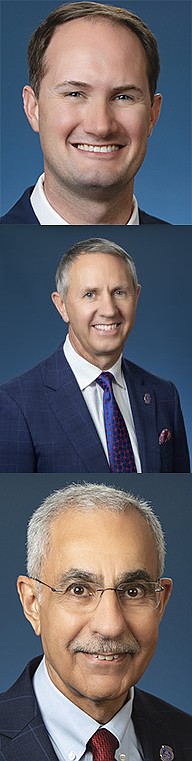
Parks told committee members that about $20 million of the estimated missed payments came from multifamily units, noting those developments may not have seen enough growth over the years to require additional capacity fees, so it could be possible that $55 million was the maximum overall amount uncollected by JEA.
JEA discovered the issue in 2022, when it found Mayo Clinic had failed to pay additional fees as its campus expanded.
While looking into the Mayo Clinic issue, JEA found other customers had not paid capacity fees from expansion. JEA CEO Vickie Cavey then created a group within JEA to focus on capacity fee collection, according to JEA. In May 2026, the team halted its attempts to recover unpaid additional capacity fees while awaiting legal advice on the statute of limitations for JEA’s authority to pursue these fees.
Parks also noted that interpretations of JEA’s capacity fee policy, customer-specific circumstances and other legal issues could further reduce the amounts actually owed, as well as the amounts that could be collected now, given any statute of limitations on required payments.
“An important point to consider is that just because a customer’s average daily flow exceeds the capacity paid by more than 20%, that does not mean that customer necessarily owes an additional capacity fee,” Parks continued. “Depending on the interpretation of the tariff document, which governs how fees are supposed to be charged, the customer would have had to increase, expand or change operations for them to actually owe additional capacity fees.”
Rob Zammataro, JEA’s chief water systems officer, estimated that after further review of contracts and exemptions, the total dollar figure owed to JEA would likely be lower.
In a statement, JEA spokesperson Myers Vasquez said Brooks’ estimate of $29.2 million and the Council auditors’ estimate of $75 million differed because the two parties measured the issue differently. While JEA estimated what may be owed based on current conditions and 2025 customer flows, the Council Auditor’s estimate represents the maximum amount that could have been assessed over the past 22 years if all potential capacity fee increases had been collected, Vasquez wrote.
“It is also important to note that neither estimate accounts for customer-specific exemptions or other case-by-case factors that could reduce the amount ultimately determined to be owed. In fact, the Council Auditor’s review of a sample of 42 customers identified potential reductions of at least $21 million, which would lower the estimated amount from approximately $75 million to about $55 million. Additional customer-specific reviews could result in further adjustments,” Vasquez wrote.
Zammataro also noted that JEA had collected upwards of $9 billion in capacity fees since 1997, and had been collecting around $60 million annually in the past several years.
JEA is creating policies to accurately collect both past and future capacity fees, which would be presented to its board in early 2027, Zammataro said.
“It’s important that we get this done right. We just went through a rate increase, and I understand this is completely separate from rate increases, but we don’t want the perception that we’ve got $55 million here that we’re not going to collect, and we just raised the rates on the rank-and-file homeowners,” said Salem, the FAO Committee chair.
In a statement, JEA CEO Vickie Cavey said she was committed to working with Council, the Council auditors and any other stakeholders on resolving the capacity fee issue.
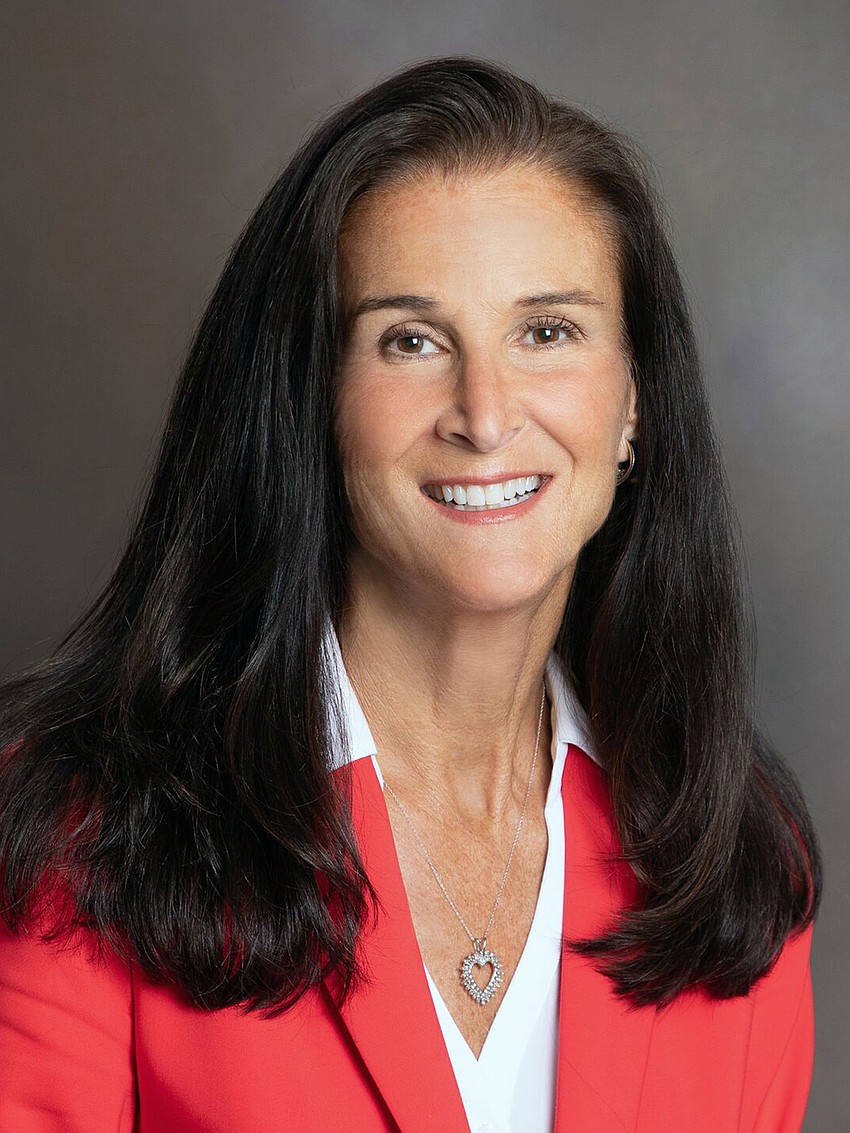
“We thank the Council Auditor’s Office for its work reviewing JEA’s capacity fees and for providing its findings to the FAO Select Committee. We appreciate the opportunity for a thoughtful and transparent discussion about how these fees support the infrastructure needed to serve development and our growing community,” Cavey said.
“I also want to recognize the hard work of JEA team members who have carefully reviewed these issues, identified areas requiring attention and taken meaningful steps to correct them. Their diligence reflects our commitment to accountability, continuous improvement and responsible stewardship of the resources entrusted to us by our customers.”
Auditor report follows OIG, Council investigations
In June, a report from the city’s Office of the Inspector General found that JEA took appropriate measures to address its past failure to collect capacity fees.
That report, issued after a three-month investigation, found JEA’s past failure to collect the capacity fees resulted from causes that included historical data gaps and record transitions, technological and systemic failures, organizational silos and communication failures and lack of policy and resource prioritization, according to a JEA release.
The FAO Committee will be active from July 20 to Sept. 18 and will focus on JEA’s uncollected capacity fees. At the end of that period, the committee is assigned to deliver a report on its findings.
The committee succeeded the Special Investigatory Committee on JEA, which expired July 1. That committee focused on JEA’s uncollected capacity fees, in addition to allegations of a toxic and racist workplace within JEA. Those allegations first emerged from Council President Kevin Carrico, who formed the investigative committee. Cavey, the target of the workplace allegations, denied them.
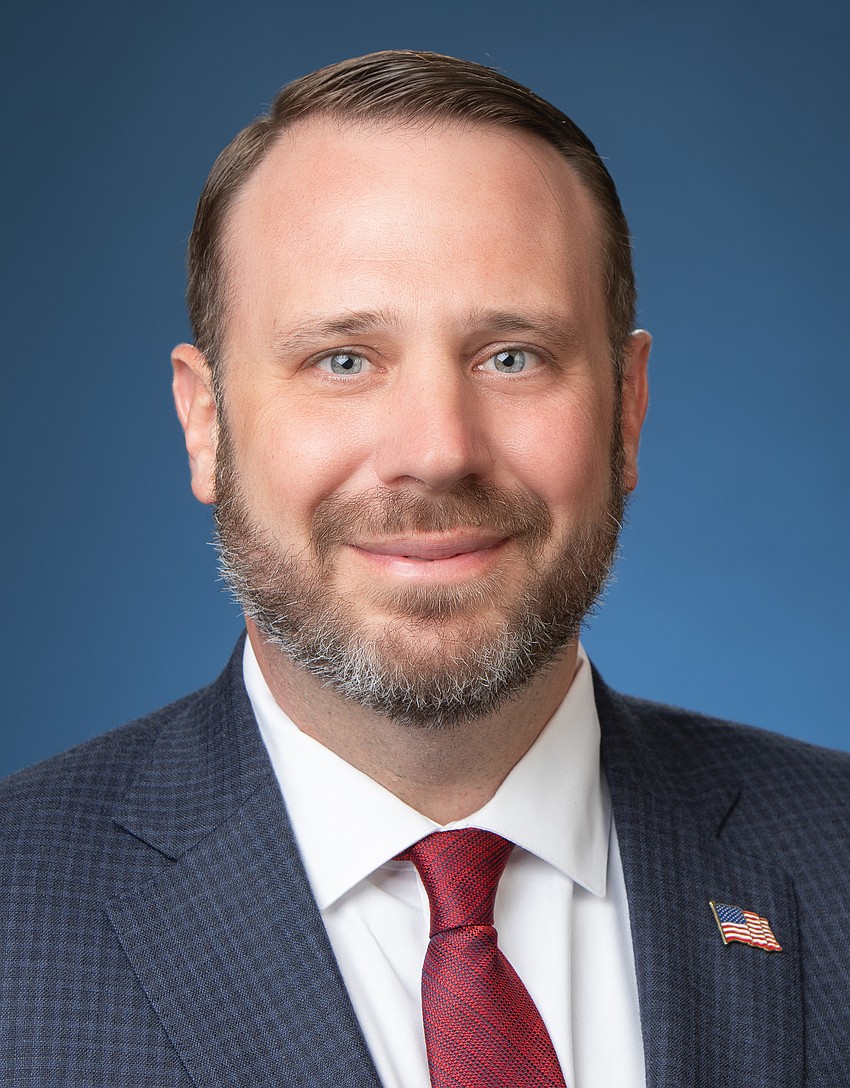
Carrico made the allegations after nominating Paul Martinez, his boss at Boys and Girls Clubs of Northeast Florida, to replace Arthur Adams on the JEA board. Action News Jax later revealed texts between Carrico and Adams showing Carrico described Martinez’s nomination as a “big favor” to a friend.
After Action News Jax reported on Carrico’s text messages, Martinez withdrew from consideration and Carrico nominated Randy Wyse, former head of the Jacksonville Association of Firefighters, to the JEA board. Wyse’s nomination and the renomination of board member Joseph DiSalvo have been deferred indefinitely by Rules Committee Chair Chris Miller.
Carrico dismissed allegations of misconduct in his nomination of Martinez, saying in a statement that “political noise and unfair attacks sought to distract from [Martinez’s] lifetime of service.”
The intended recipient of Carrico’s “big favor” has not been identified, nor is it known what the favor was.