
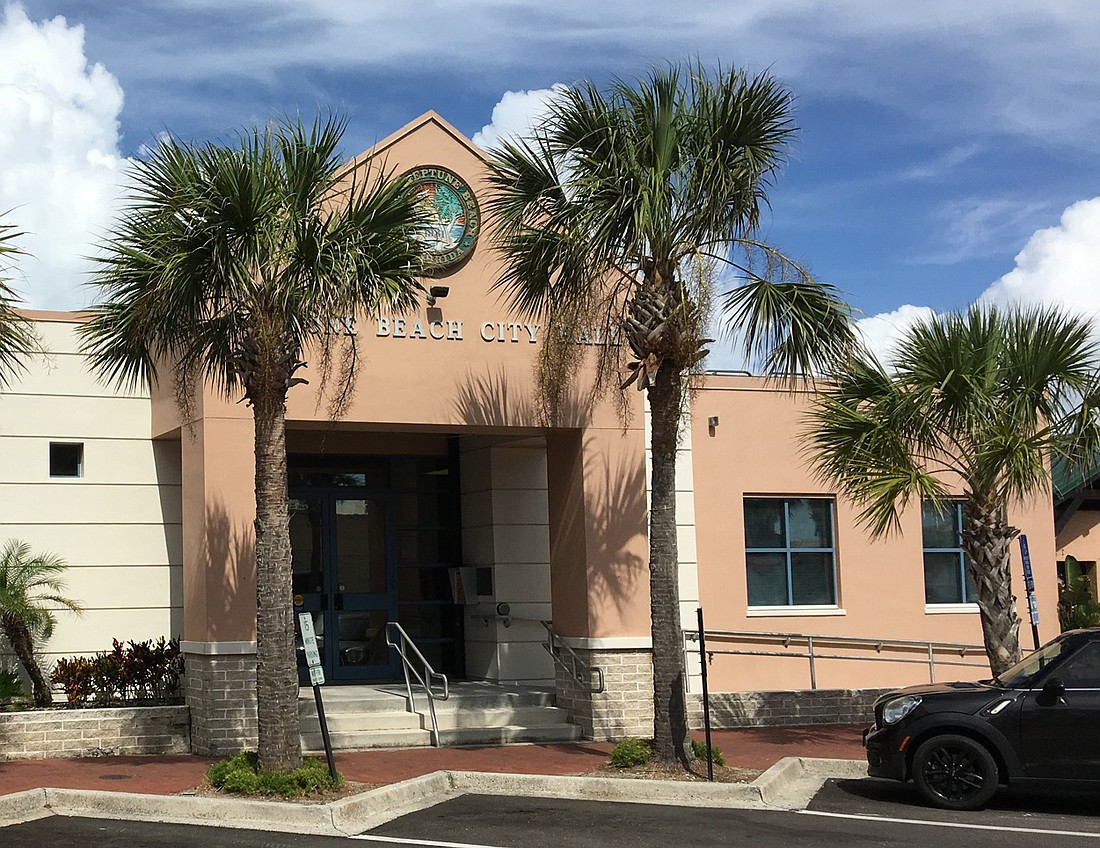
Neptune Beach has selected a consultant to prepare the required study that would allow the city to consider adopting impact fees on new development, as city officials continue evaluating ways to fund future infrastructure needs while addressing long-term financial challenges.
Charlotte, North Carolina-based Raftelis Financial Consultants Inc. is expected to prepare the study. The company, founded in 1993, says on its website that it specializes in public sector consulting, including local governments and utility providers.
Impact fees are one-time charges imposed on new development to help fund infrastructure needed to accommodate growth. They are typically used to help pay for improvements such as transportation, parks, public safety facilities and other capital needs associated with growth.
The analysis will determine whether impact fees are appropriate for Neptune Beach and, if so, how they could be structured. Under Florida law, local governments must complete a study demonstrating the need and methodology for impact fees before adopting them.
Under Florida’s Impact Fees Act, the city must demonstrate that fees are proportionate to the infrastructure burden created by new development and that revenue directly benefits those developments, according to the Florida Department of Transportation. State law strictly prohibits municipalities from using impact fee revenue to address existing infrastructure deficits, maintain current facilities or repay existing debt.
Impact fees are already used by other Northeast Florida counties, including Clay, Nassau, Putnam and St. Johns, along with other municipalities statewide, including Apopka, Daytona Beach, Deltona, Fernandina Beach, Groveland and St. Cloud, although amounts vary depending on the jurisdiction and the infrastructure being funded. Jacksonville instead uses mobility fees, which are dedicated to transportation improvements.
The study is the first step in a process that could lead Neptune Beach to consider adopting impact fees. The fees, if approved in the future, would apply only to new development and would not be charged to existing property owners.
Neptune Beach, which covers about 2 square miles and has roughly 7,500 residents, has previously discussed infrastructure needs associated with growth in surrounding communities and the potential impacts on local services.
Separately, Neptune Beach officials have identified financial pressures within existing city operations. During a Jan. 20 meeting, the City Council discussed finance committee findings showing sanitation, water and sewer funds have struggled to keep pace with rising operating costs while user rates remained relatively flat.
Council member Brent Rogers, who chairs the City Council Finance Committee, said the city has not adjusted rates enough to reflect increased costs, including higher solid waste contract expenses and shared administrative costs charged to utility funds. He said the sanitation fund carries a roughly $900,000 deficit that has been covered through the general fund rather than user fees.
Officials also raised concerns about water and sewer reserves and debt requirements, including maintaining sufficient funds to meet reserve and debt service coverage obligations.
Jaime Hernandez, Neptune Beach’s chief financial officer, said the utility system is required to maintain a reserve equal to about three months of operating expenses.
“If we continue to use it for other projects, we will deplete that reserve,” Hernandez said.